Reflections
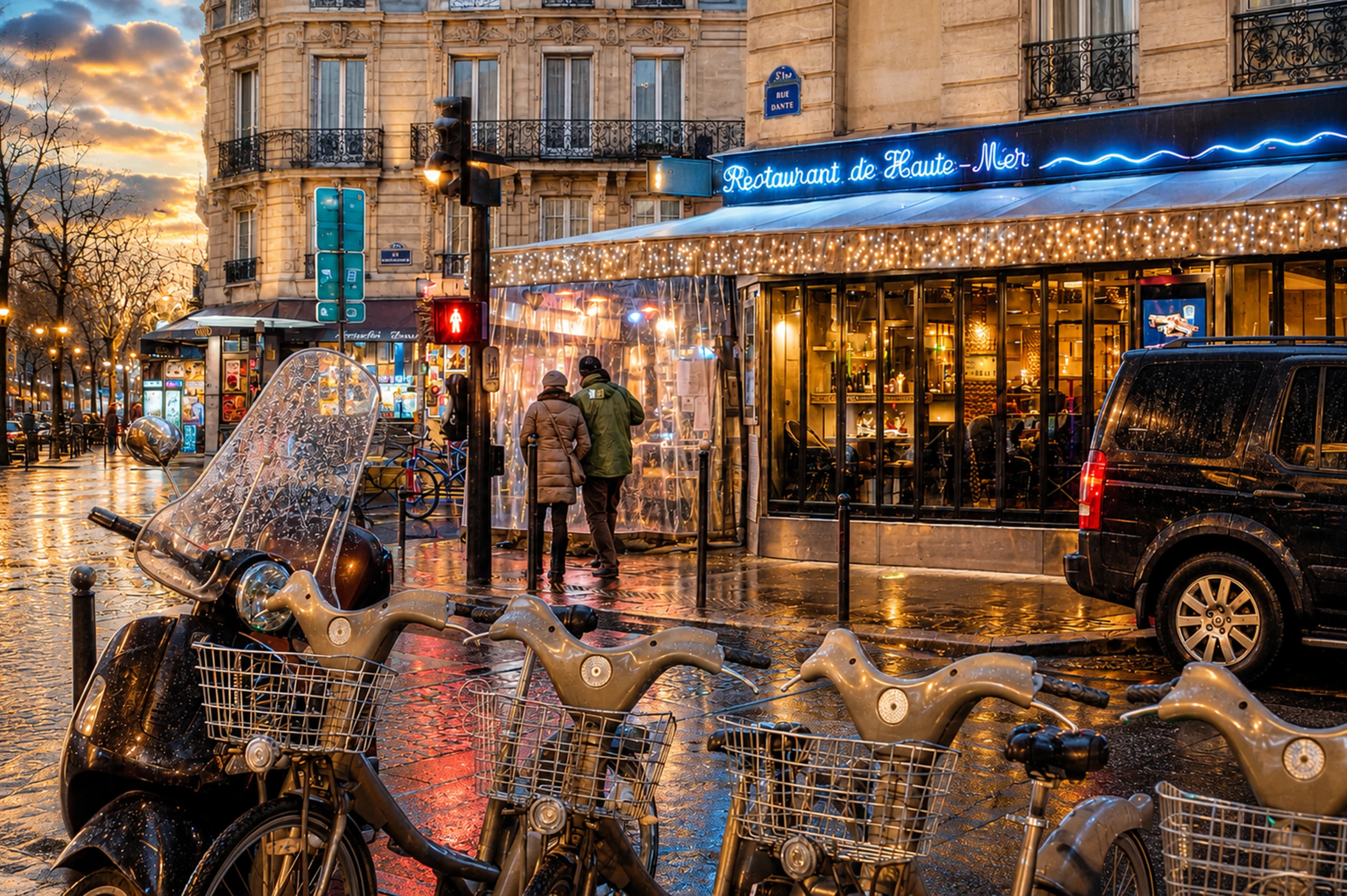
Paris After Rain
A rain-soaked Paris street becomes a meditation on peace, memory, and the meanings photographs acquire over time.
View the photograph →Memory does not preserve the past exactly as it happened. It returns to us in fragments, shaped by distance, experience, and the lives we have lived since.
The photographs in this exhibition explore how images gather meaning over time. What began as a place, a journey, or an ordinary moment may later become inseparable from love, loss, identity, and remembrance.
The Exhibition
Reflections
A rain-soaked Paris street becomes a meditation on peace, memory, and the meanings photographs acquire over time.
View the photograph →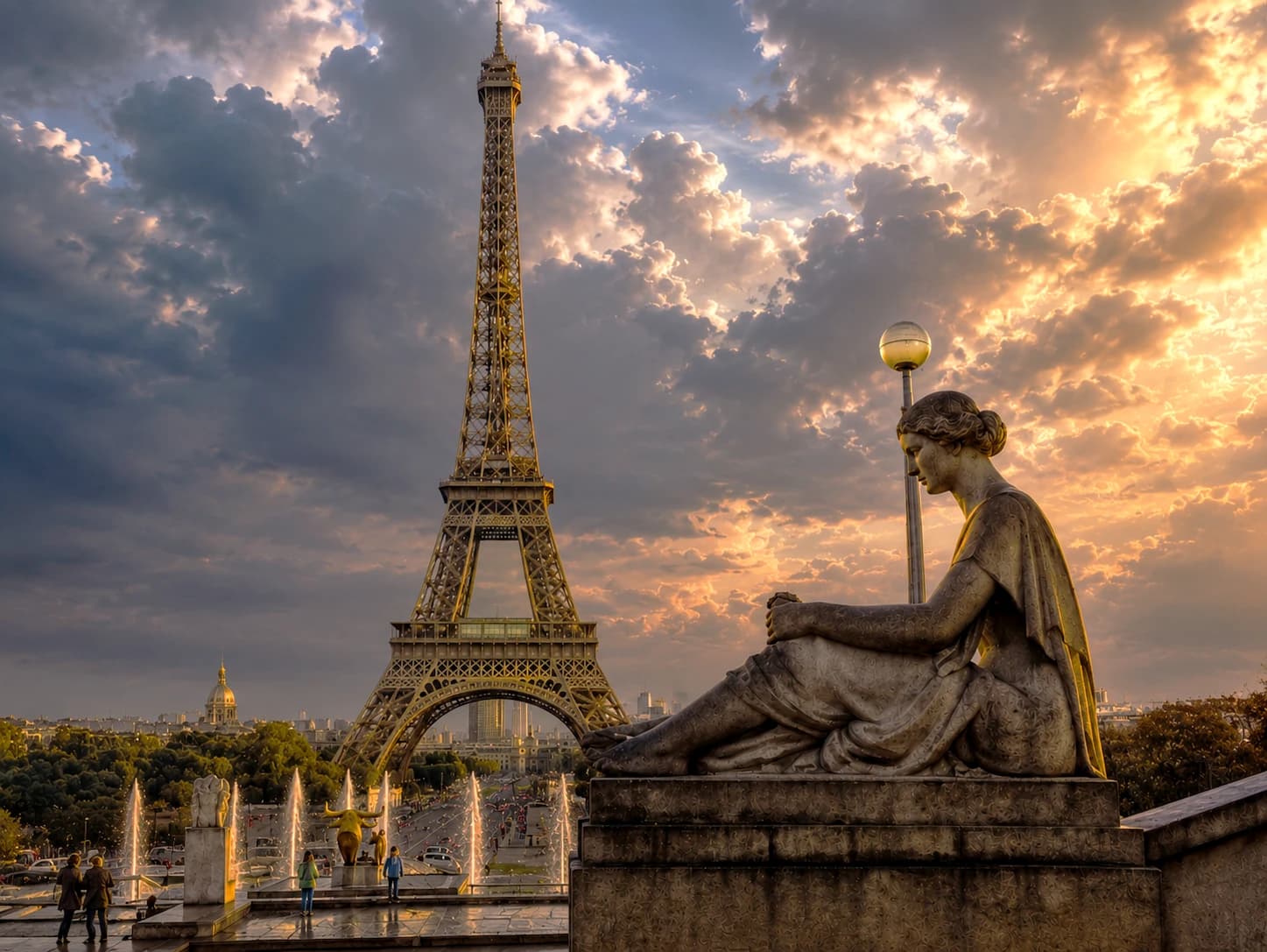
Reflections
A silent statue overlooking Paris becomes the visible guardian of a memory whose most important presence remained just outside the frame.
View the photograph →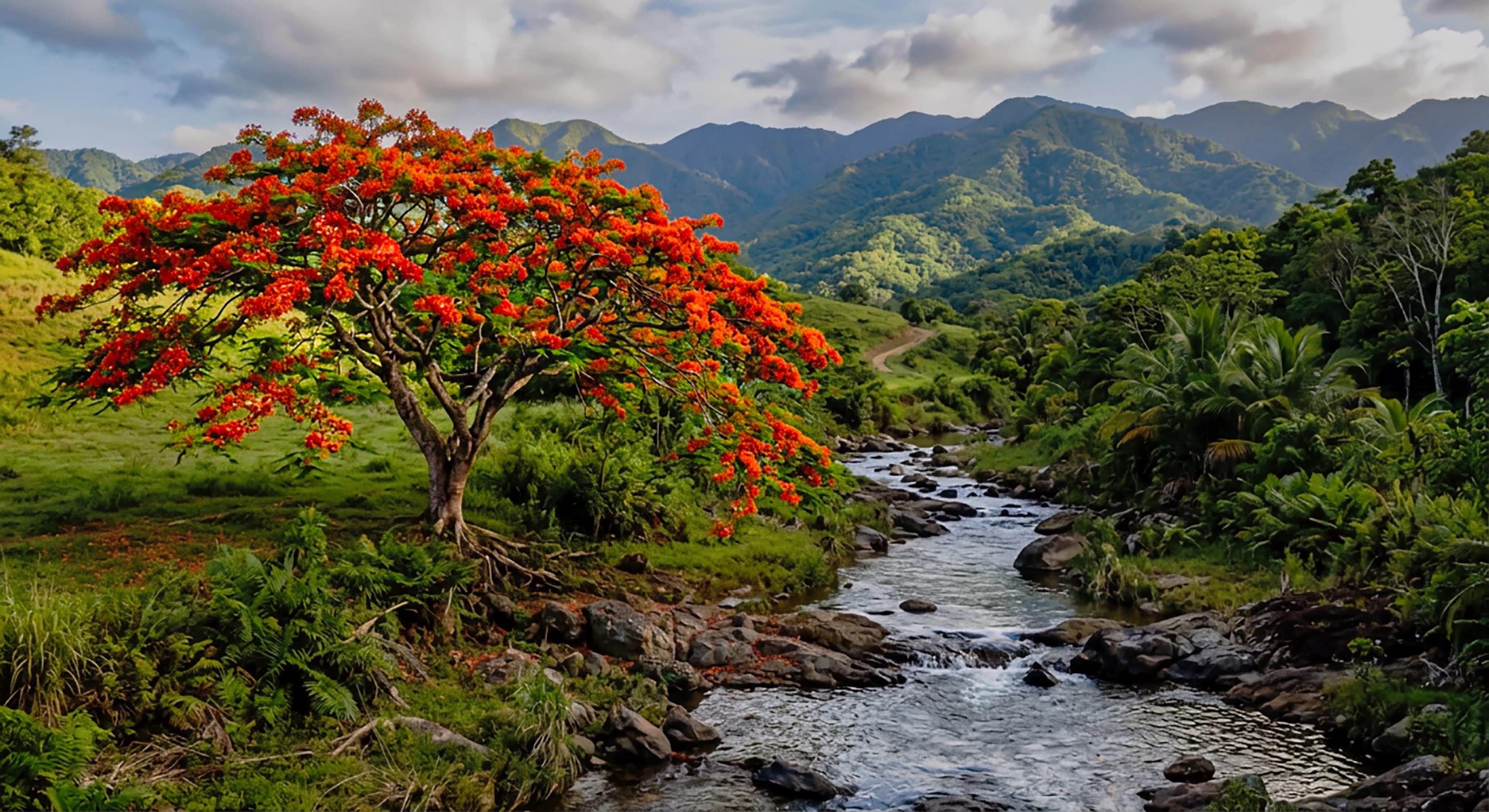
Nature
A flamboyant tree overlooking the Puerto Rican countryside becomes a meditation on family, inheritance, memory, and home.
View the photograph →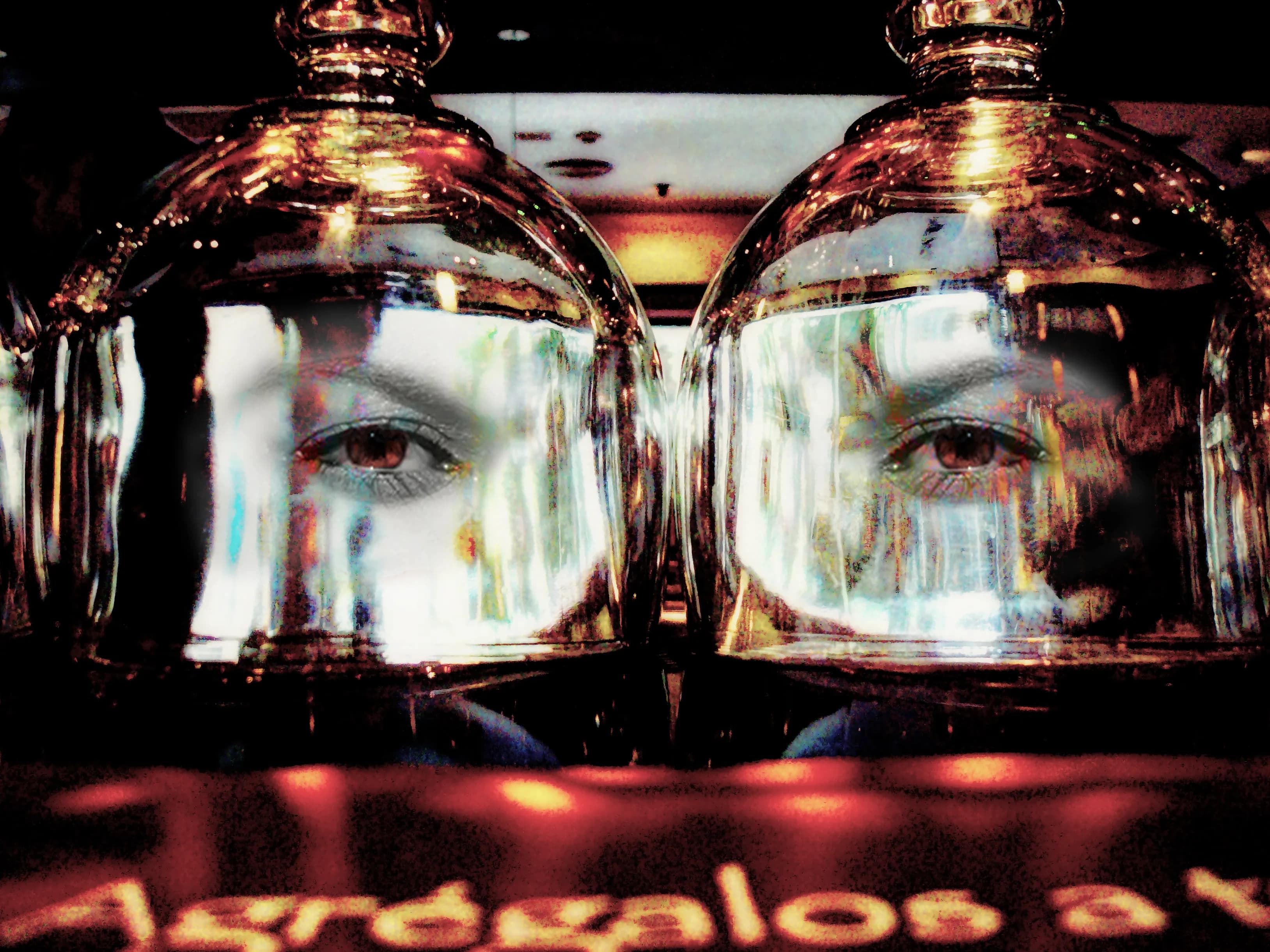
Reflections
Human eyes appear within an inverted drinking glass, transforming two photographs made at different times and places into a meditation on memory, presence, and the emotional traces people leave behind.
View the photograph →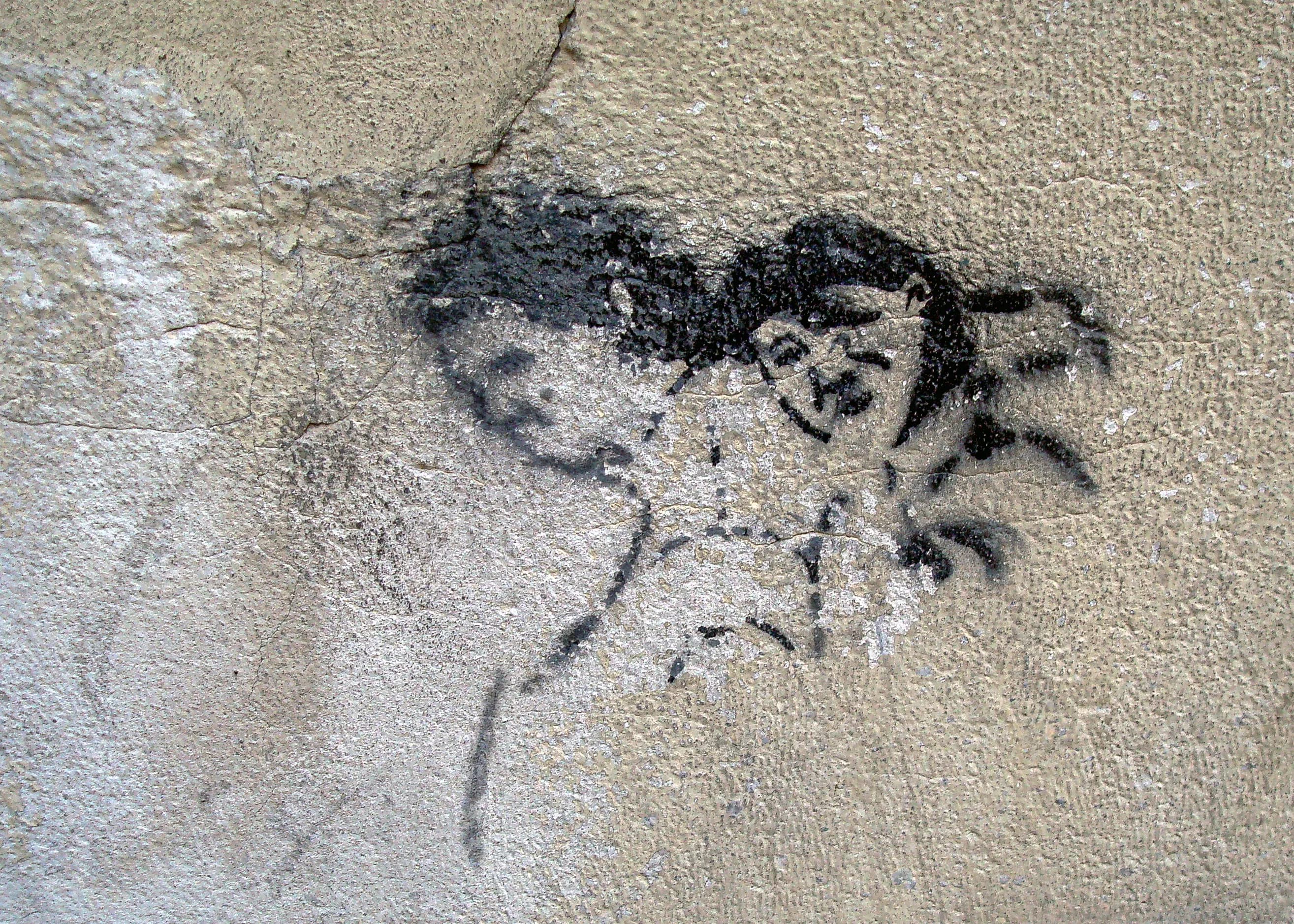
People
A small, weathered portrait hidden near sidewalk level becomes a record of unexpected discovery. The photograph preserves an anonymous artist's deliberately placed image before time and passing footsteps could erase it completely.
View the photograph →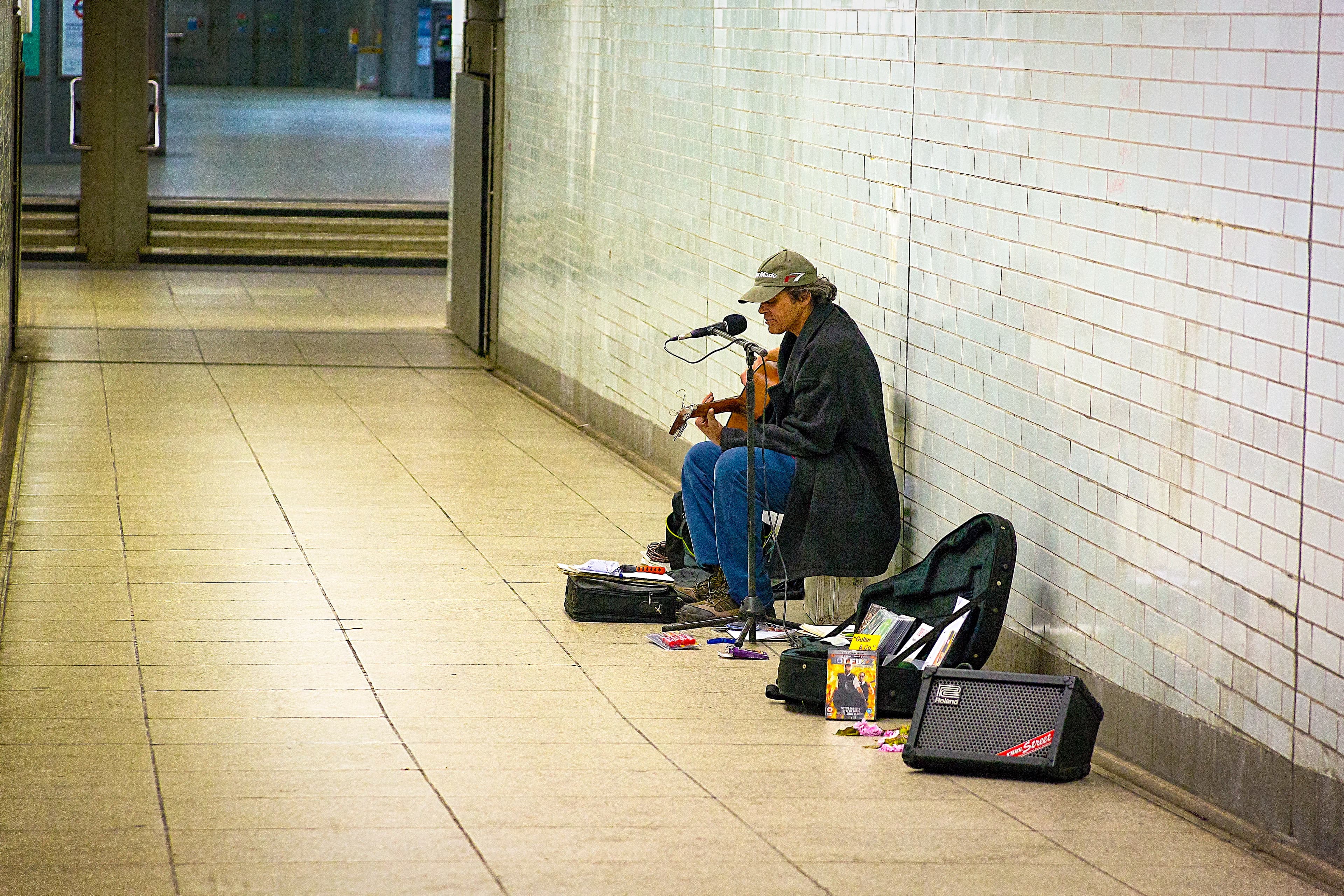
People
A solitary musician uses the natural acoustics of a London pedestrian tunnel to offer music to anyone passing through. The photograph reflects on generosity, anonymous connection, and the lasting value of art shared without expectation.
View the photograph →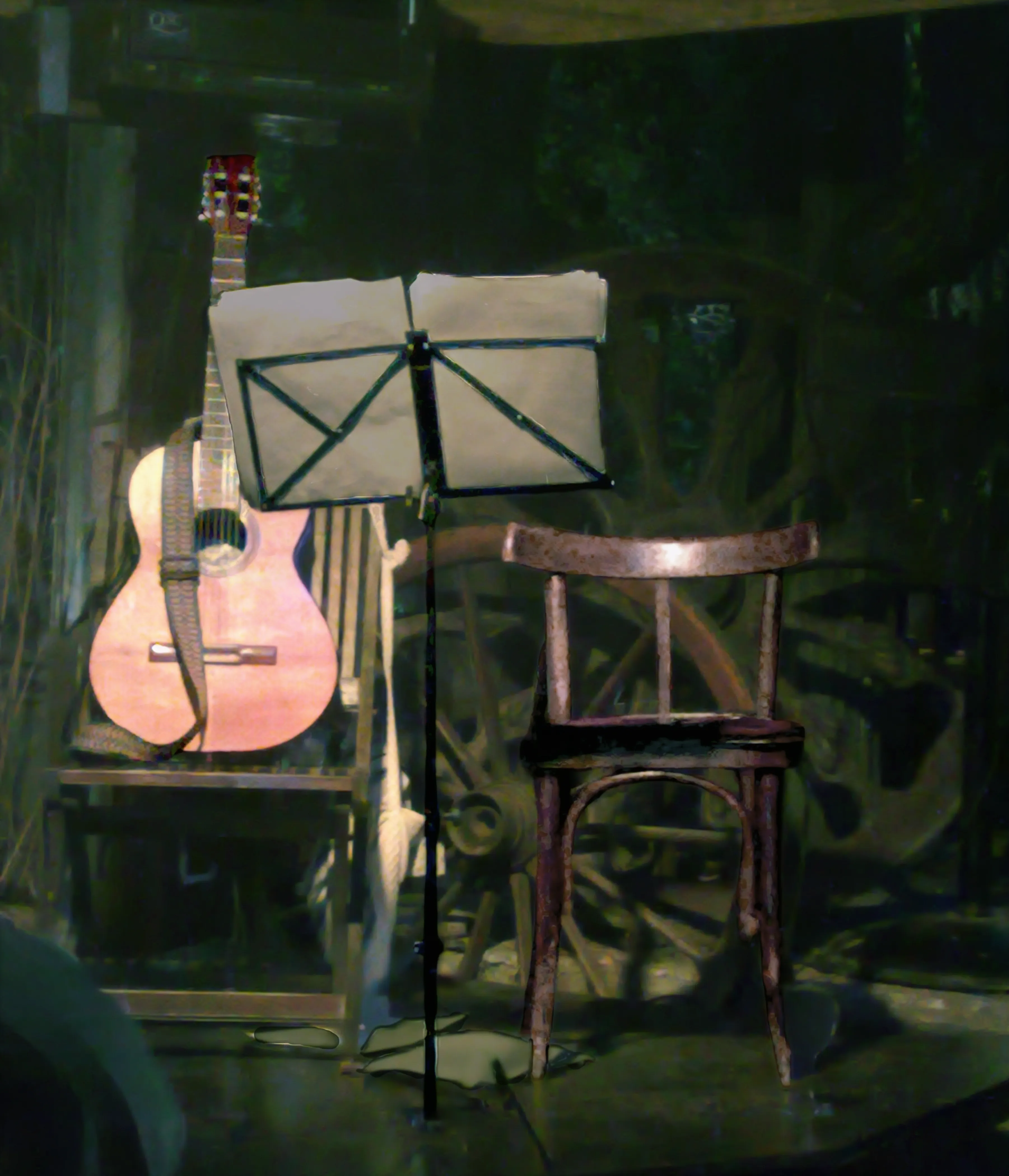
People
An unattended guitar, music stand, and empty chairs preserve the quiet interval between performances. The photograph reflects on friendship, memory, and the way music remains present even after the musicians step away.
View the photograph →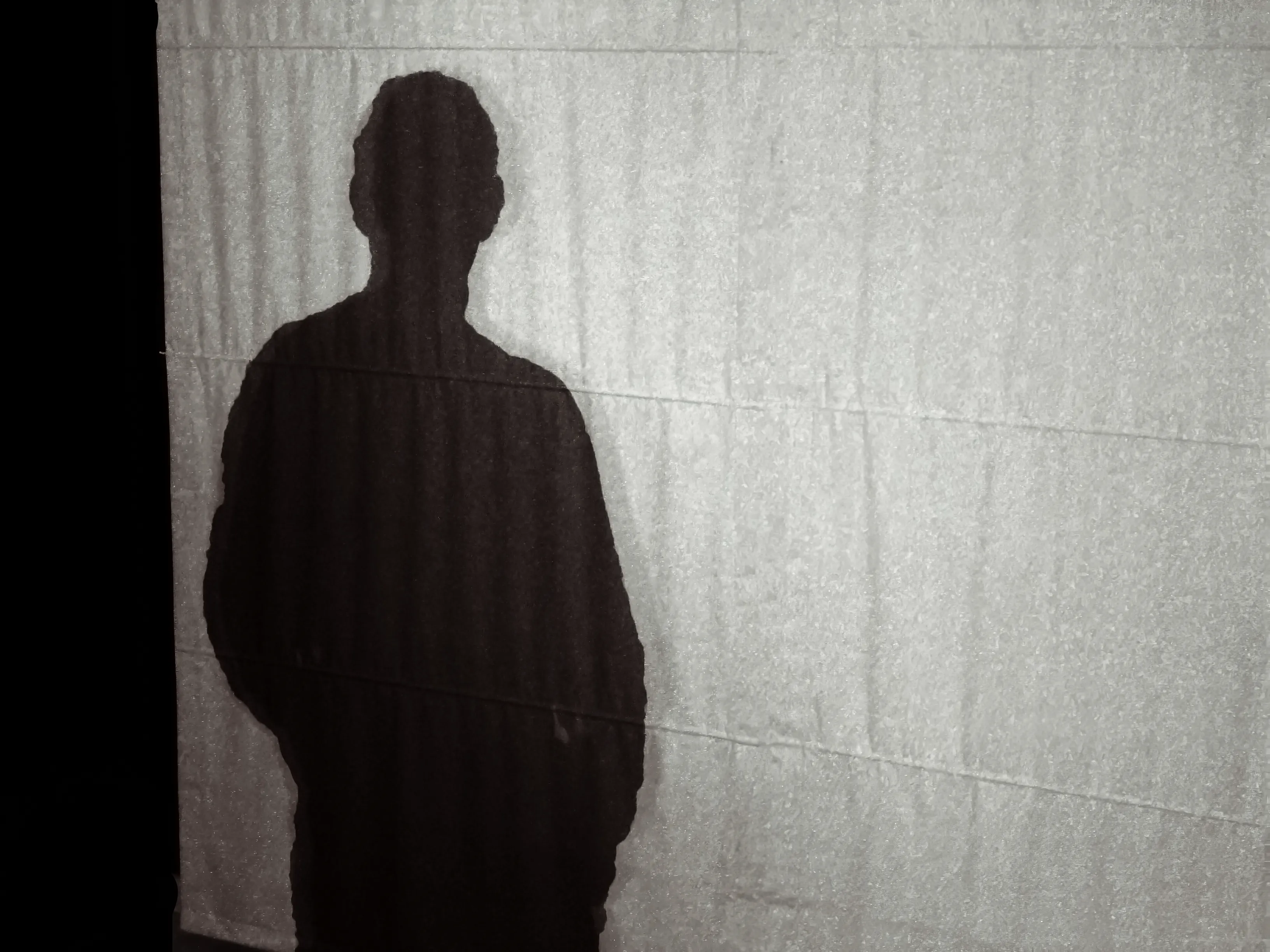
Reflections
A self-portrait created through shadow becomes a meditation on identity, memory, and the distance between the person once photographed and the person looking back years later.
View the photograph →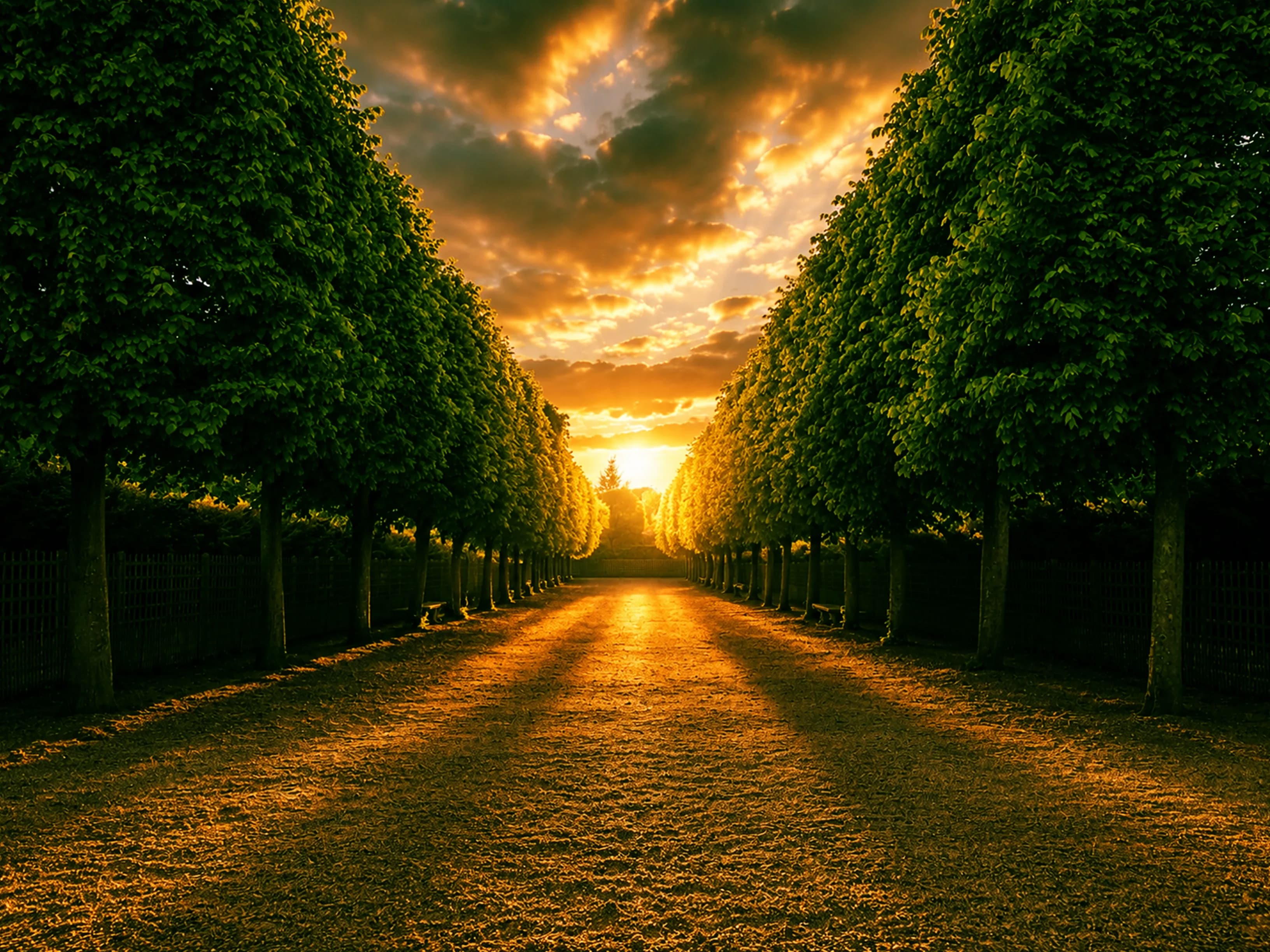
Journeys
A symmetrical path through the Gardens of Versailles carries both the visual invitation to continue walking and the private memory of a kiss shared moments after the photograph was made.
View the photograph →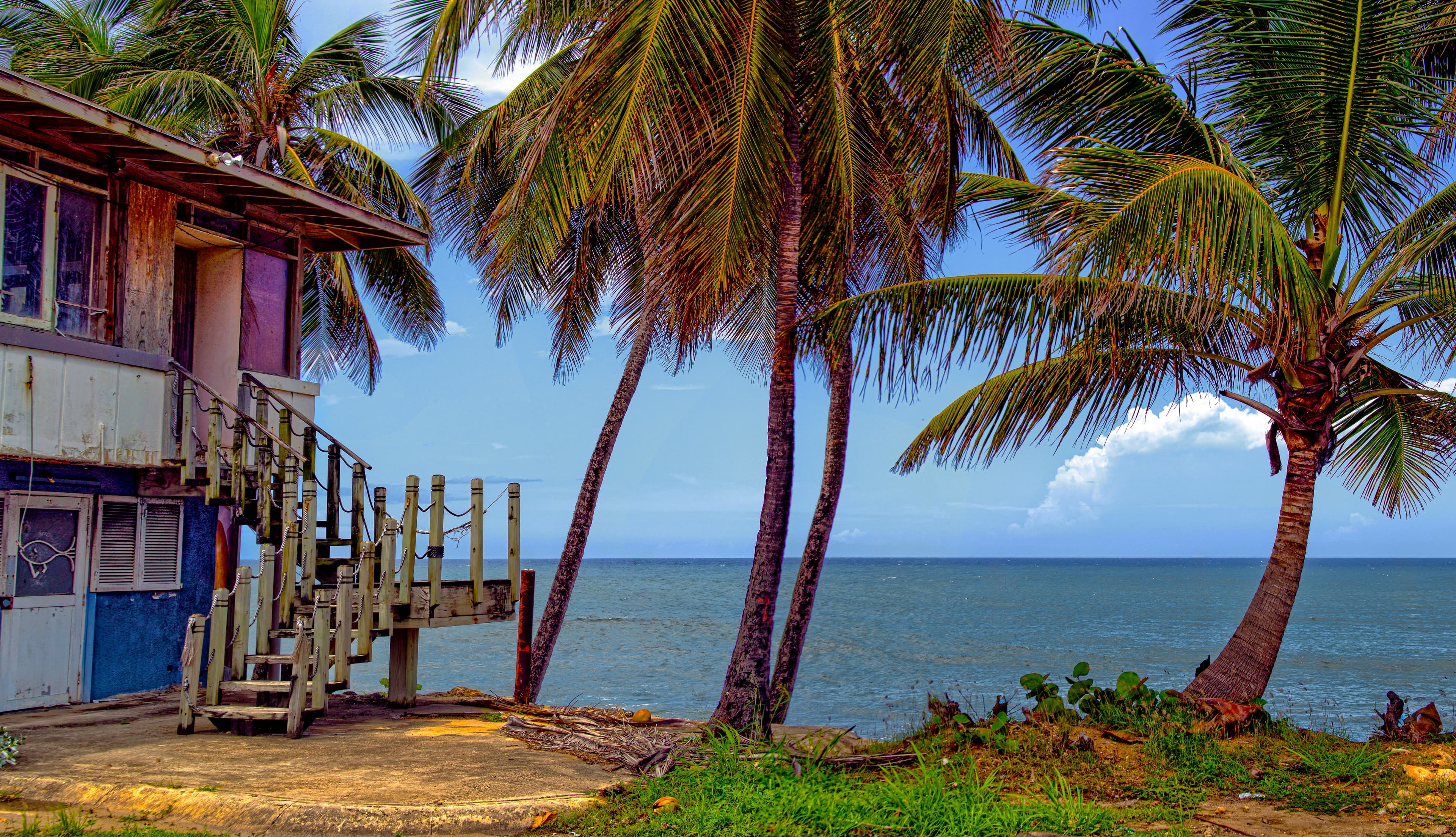
Nature
An abandoned coastal home stands between tropical beauty and the patient force of the sea, becoming a meditation on memory, displacement, vulnerability, and everything once lived within its walls.
View the photograph →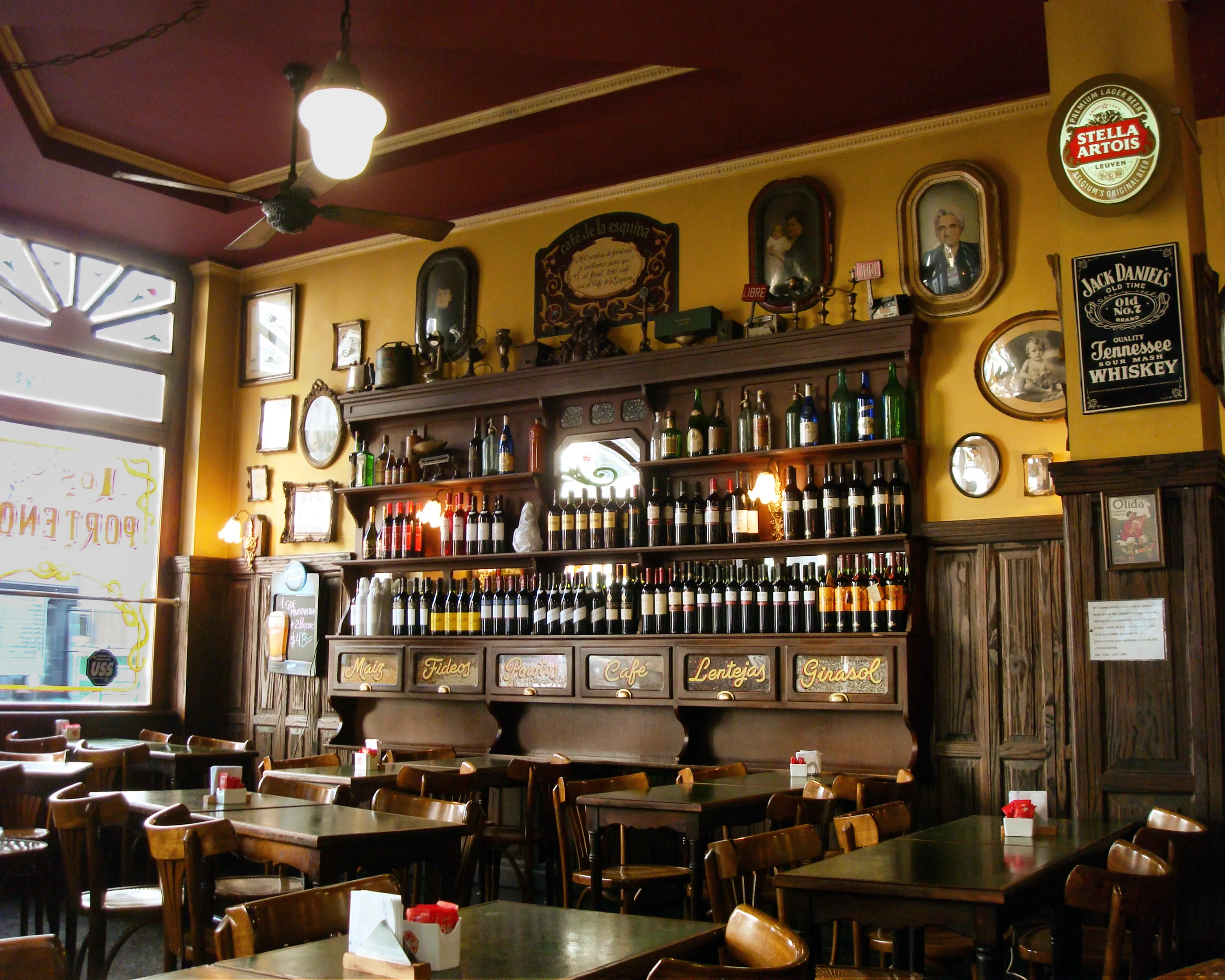
Cities
An empty neighborhood café in Palermo carries the atmosphere of another era, preserving the character of a place shaped by countless conversations even during a quiet lunch hour.
View the photograph →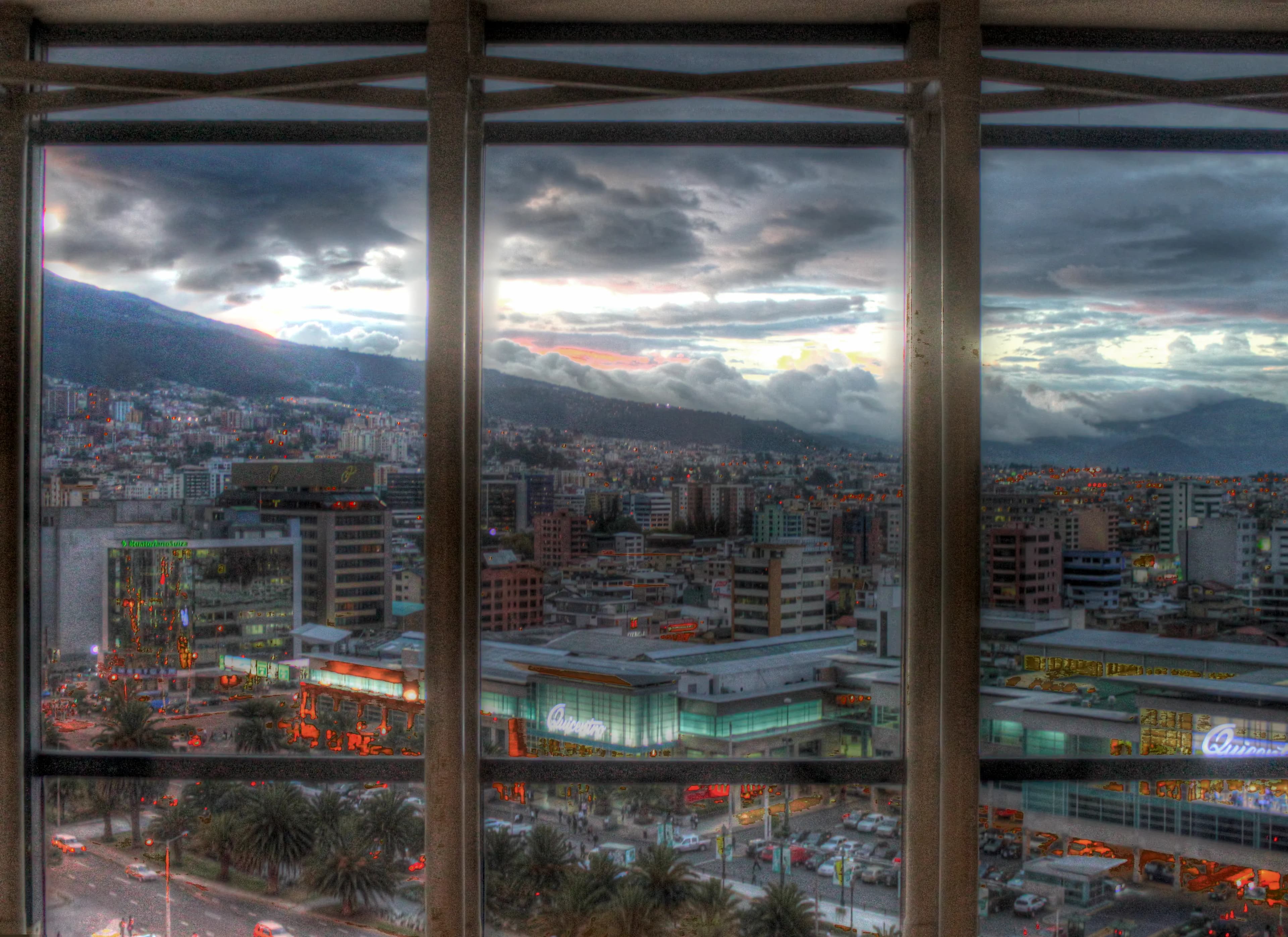
Cities
Quito appears through a hotel window after sunset, layered with mountain silhouettes, gathering clouds, city lights, and the quiet emotion of a traveler preparing to leave.
View the photograph →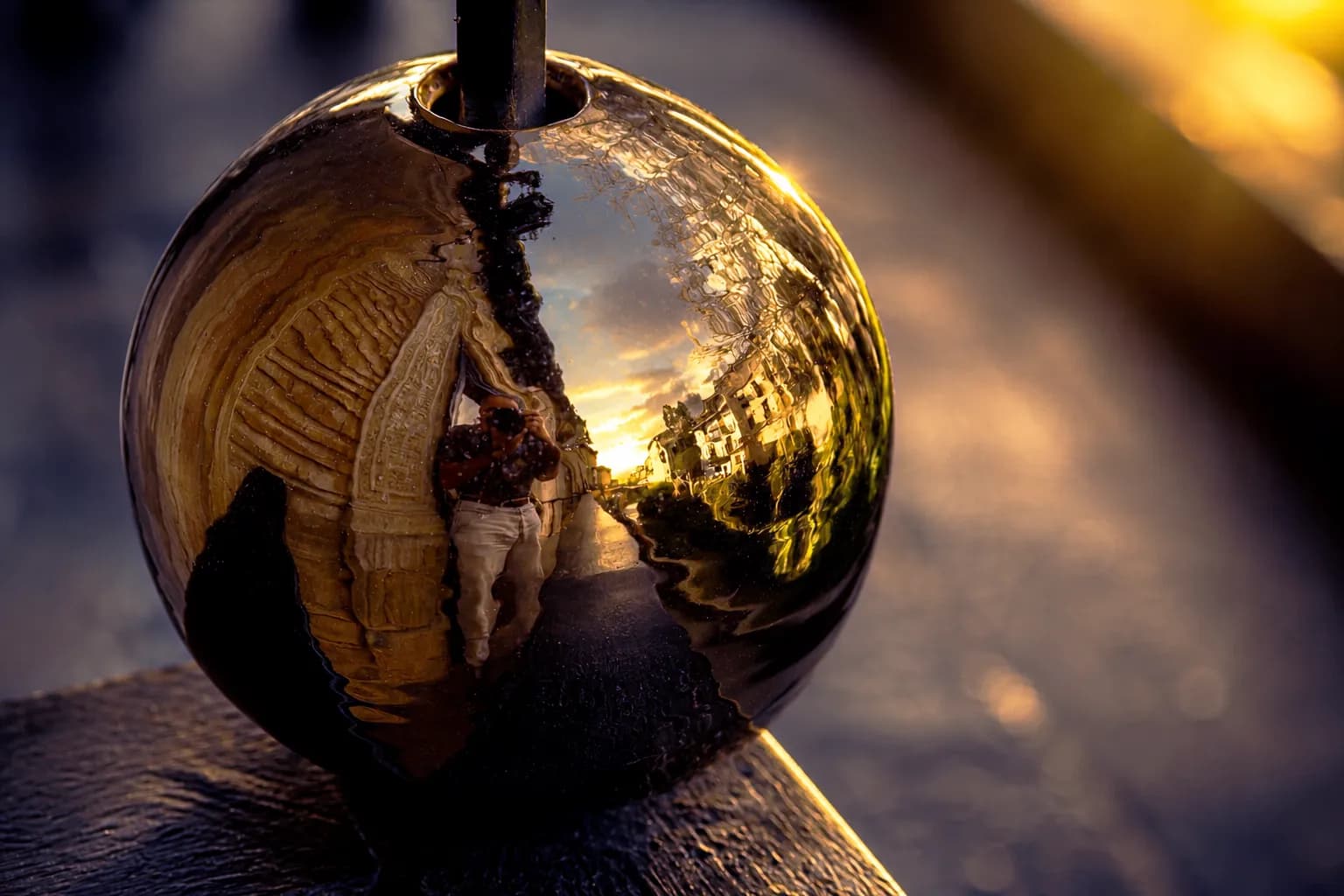
Reflections
A polished sphere on a hotel balcony reflects Granada, the evening light, surrounding architecture, and the photographer himself, turning an unexpected discovery into a portrait of observation.
View the photograph →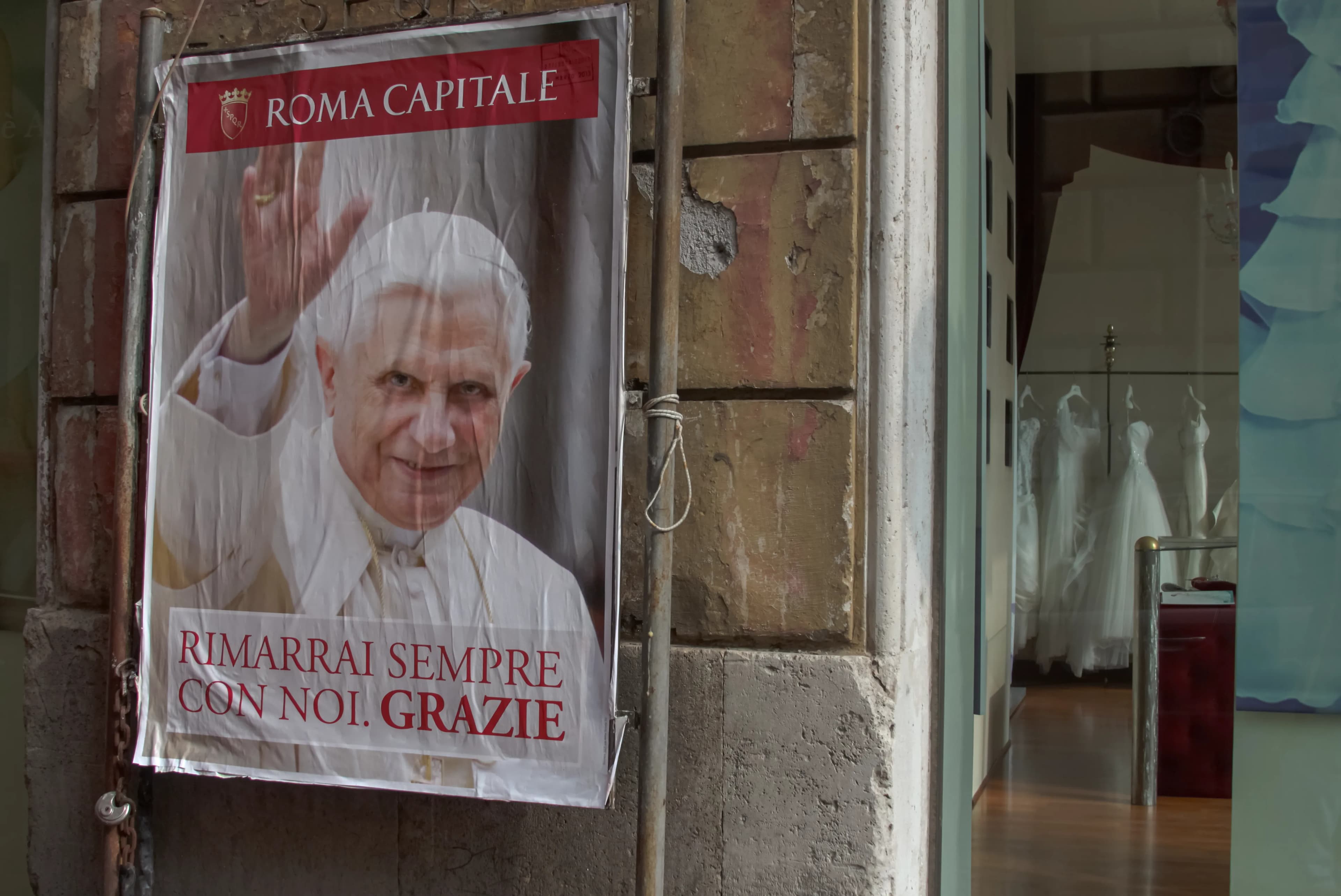
Cities
A street poster of Pope Benedict XVI hangs against a weathered Roman wall on February 28, 2013, the final day of his papacy. Beside it, an ordinary storefront remains open as the city continues around a moment of historic transition.
View the photograph →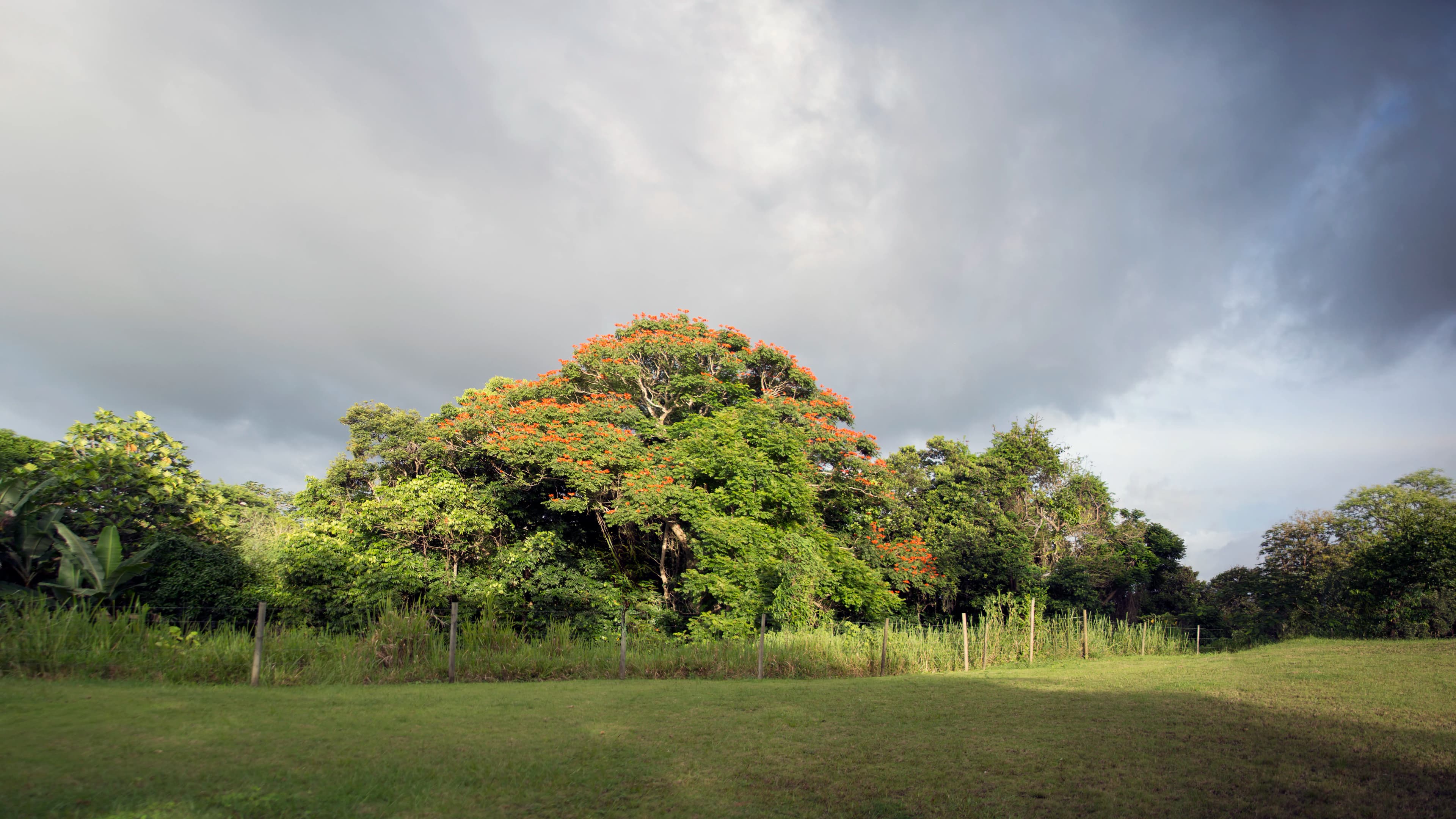
Reflections
A spontaneous panoramic landscape made along the road from San Juan toward Lares becomes, years later, a meditation on imperfection, memory, and the persistence of beauty.
View the photograph →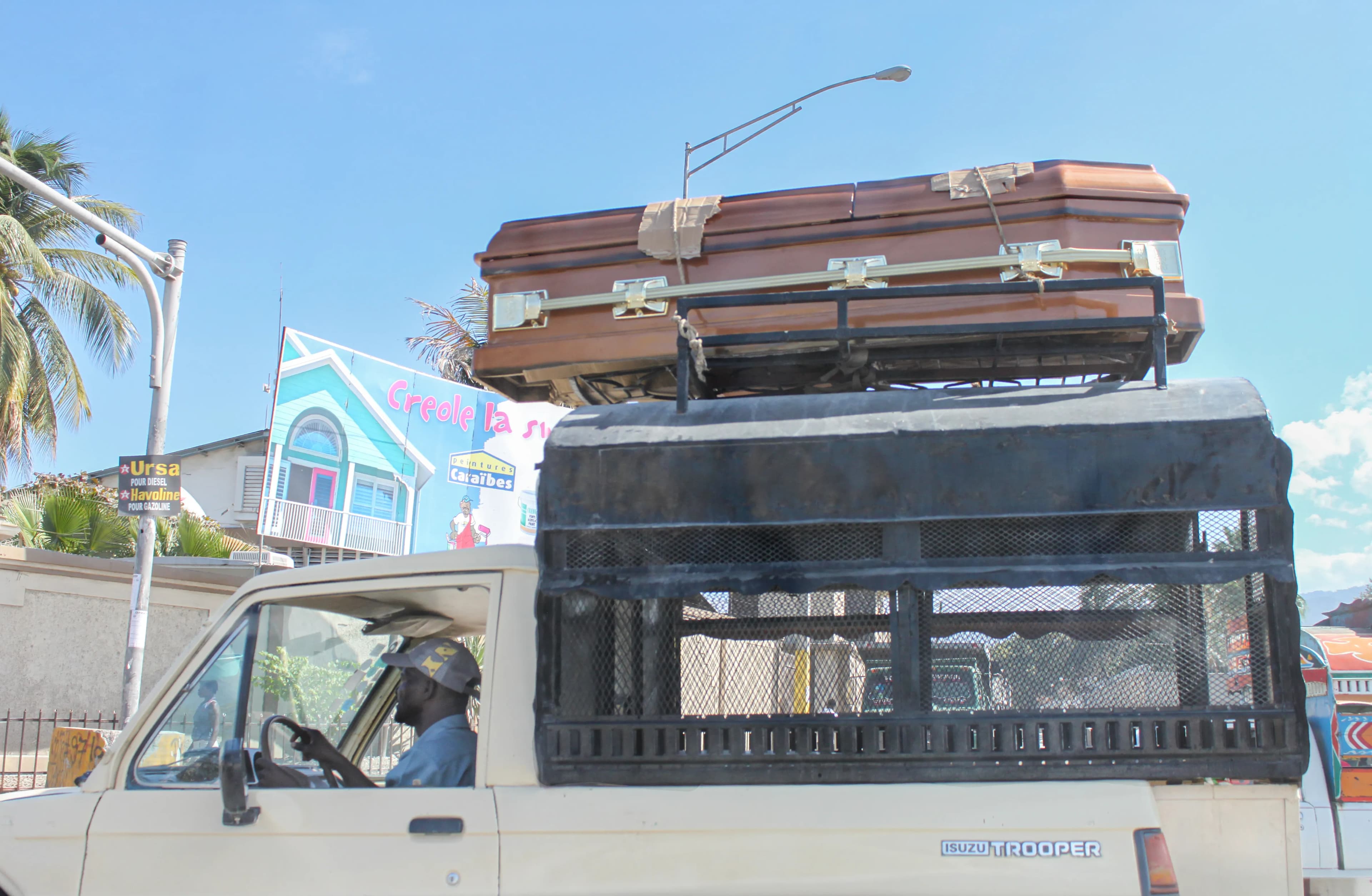
People
A driver moves through the streets of Port-au-Prince with a coffin secured above his vehicle, preserving an unexpected moment of everyday life in Haiti two years after the devastating 2010 earthquake.
View the photograph →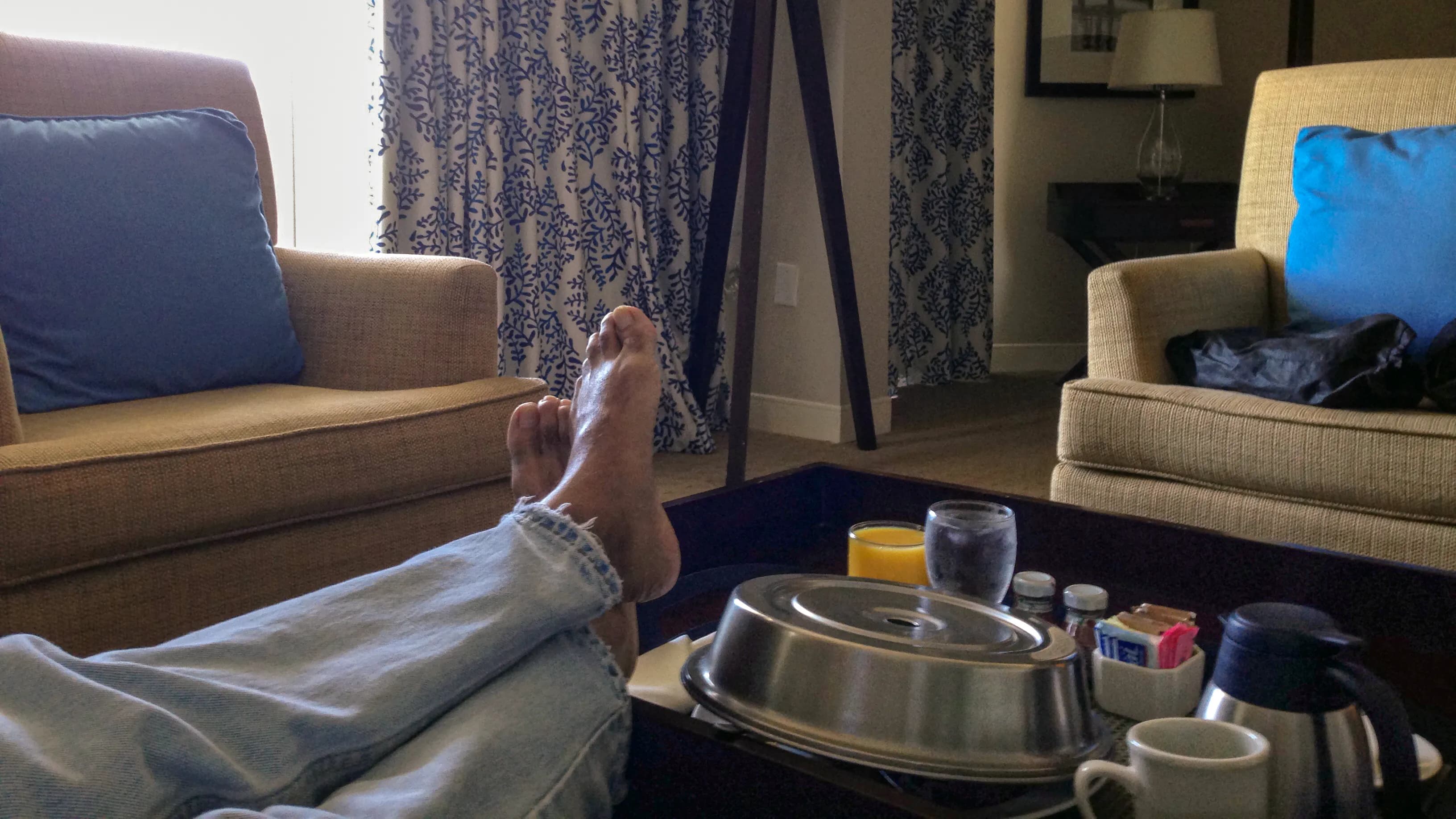
Journeys
A quiet morning in a hotel room in the Bahamas becomes a record of a ritual repeated across years of international travel—room service, work, phone calls, waiting, and eventually another departure.
View the photograph →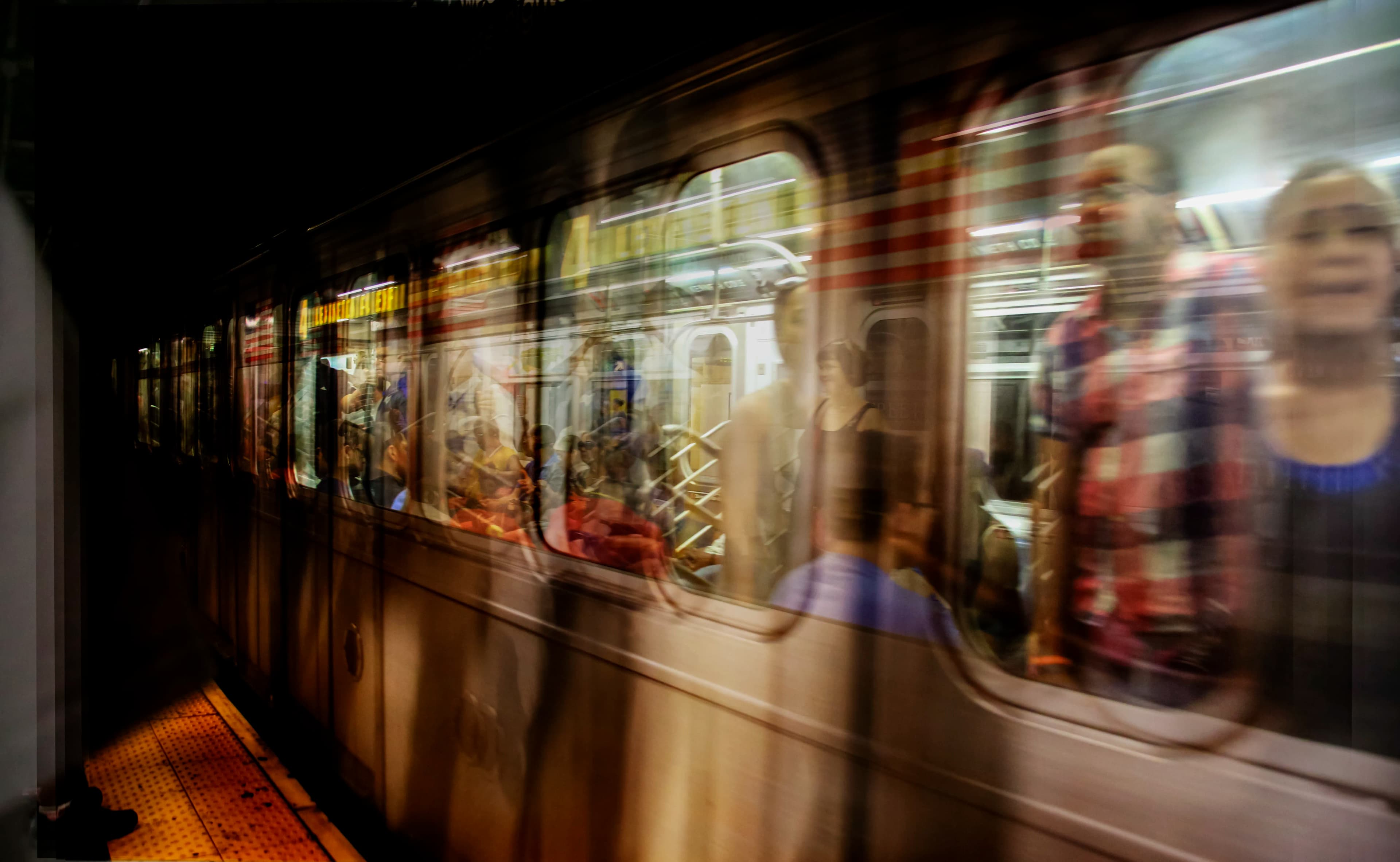
Journeys
A New York City subway train rushes past the platform at 86th Street in Manhattan as passengers briefly emerge through its windows. Created from a sequence of photographs made on September 5, 2015, the final composition combines selected moments from the passing train, preserving individual passengers within the surrounding motion.
View the photograph →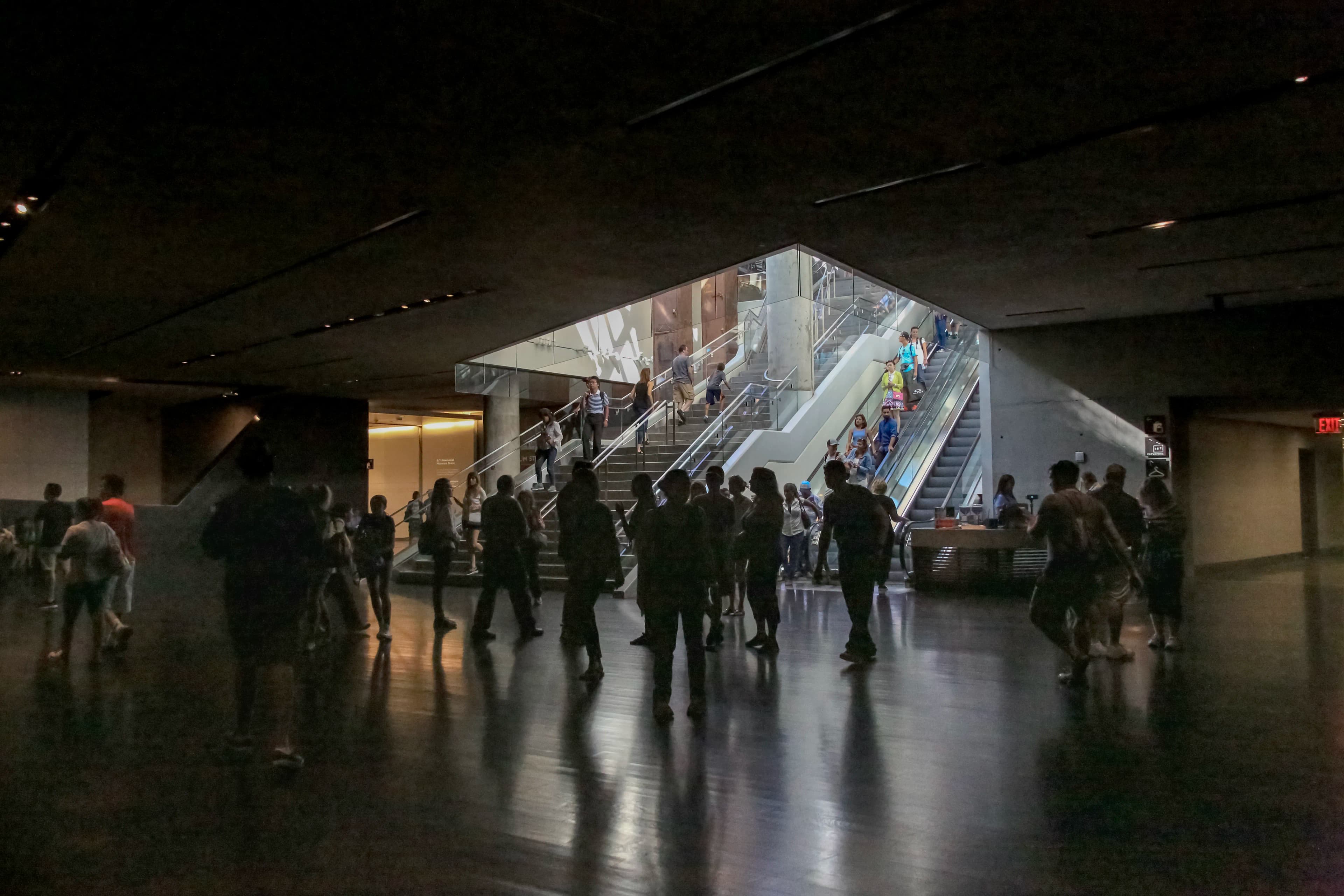
Cities
Visitors move through the interior of the 9/11 Memorial & Museum in New York City, where monumental concrete planes frame an illuminated network of stairs and escalators. Silhouetted figures and their reflections cross the dark foreground while the architecture draws the eye toward the brighter interior beyond. The photograph captures the scale, geometry, light, and human movement within the museum space.
View the photograph →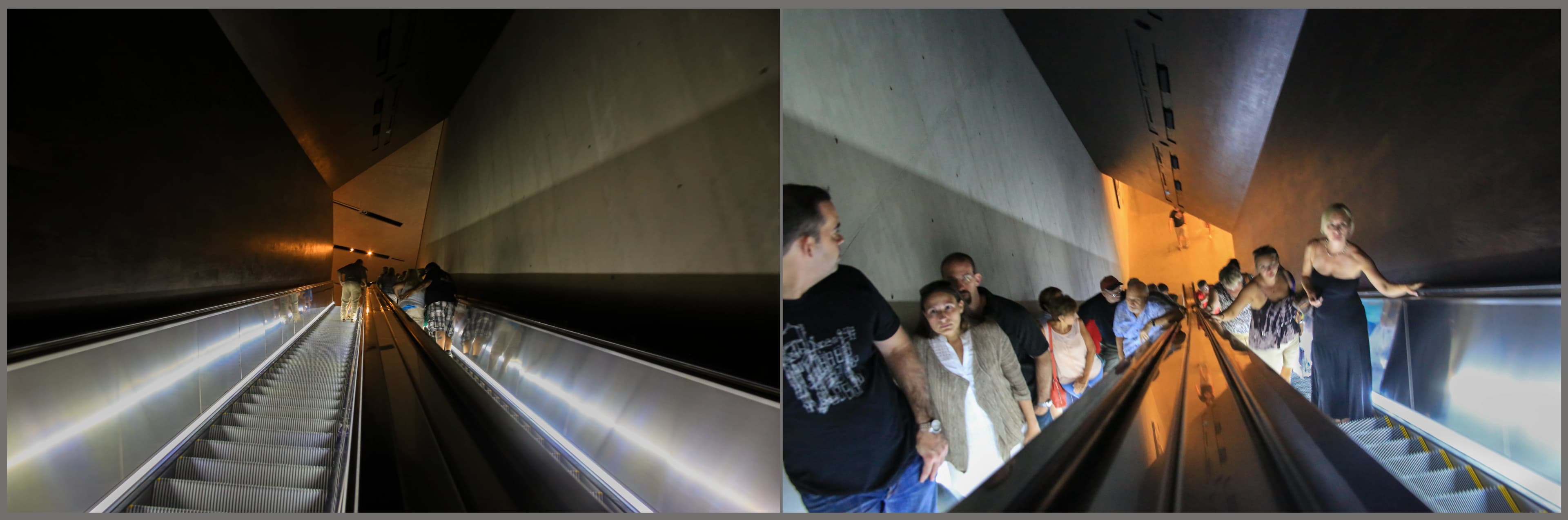
Cities
A photographic diptych created inside the National September 11 Memorial & Museum in New York City on September 5, 2015. Two opposing views of the museum's escalators contrast visitors moving in different directions through the memorial. Monumental concrete walls, converging lines, available light, and human movement connect the two photographs. Made without flash to avoid disturbing the shared purpose and quiet significance of the memorial, the work observes the continuous passage of people who come to learn, remember, mourn, share, and pay tribute.
View the photograph →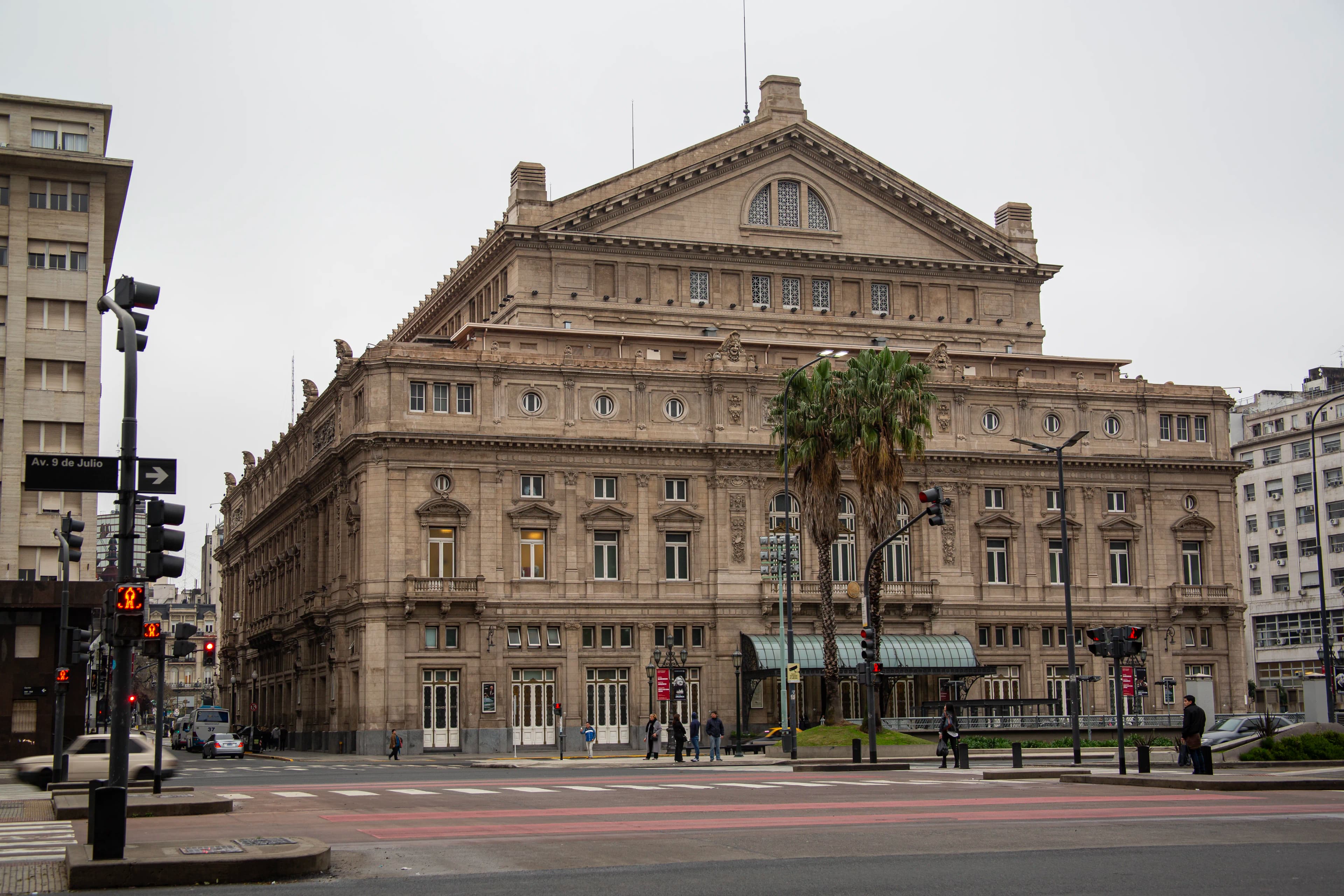
Cities
Teatro Colón stands along the streets of Buenos Aires, Argentina, photographed on August 8, 2015. Its symmetrical façade and elaborate architectural details rise above the everyday movement of the city. Photographed as part of a familiar walk through Buenos Aires, the image preserves the theater within its urban surroundings, including pedestrians, traffic signals, and the nearby Avenida 9 de Julio. The photograph also carries a personal connection for the photographer: the theater and Francisco Colón share the same name.
View the photograph →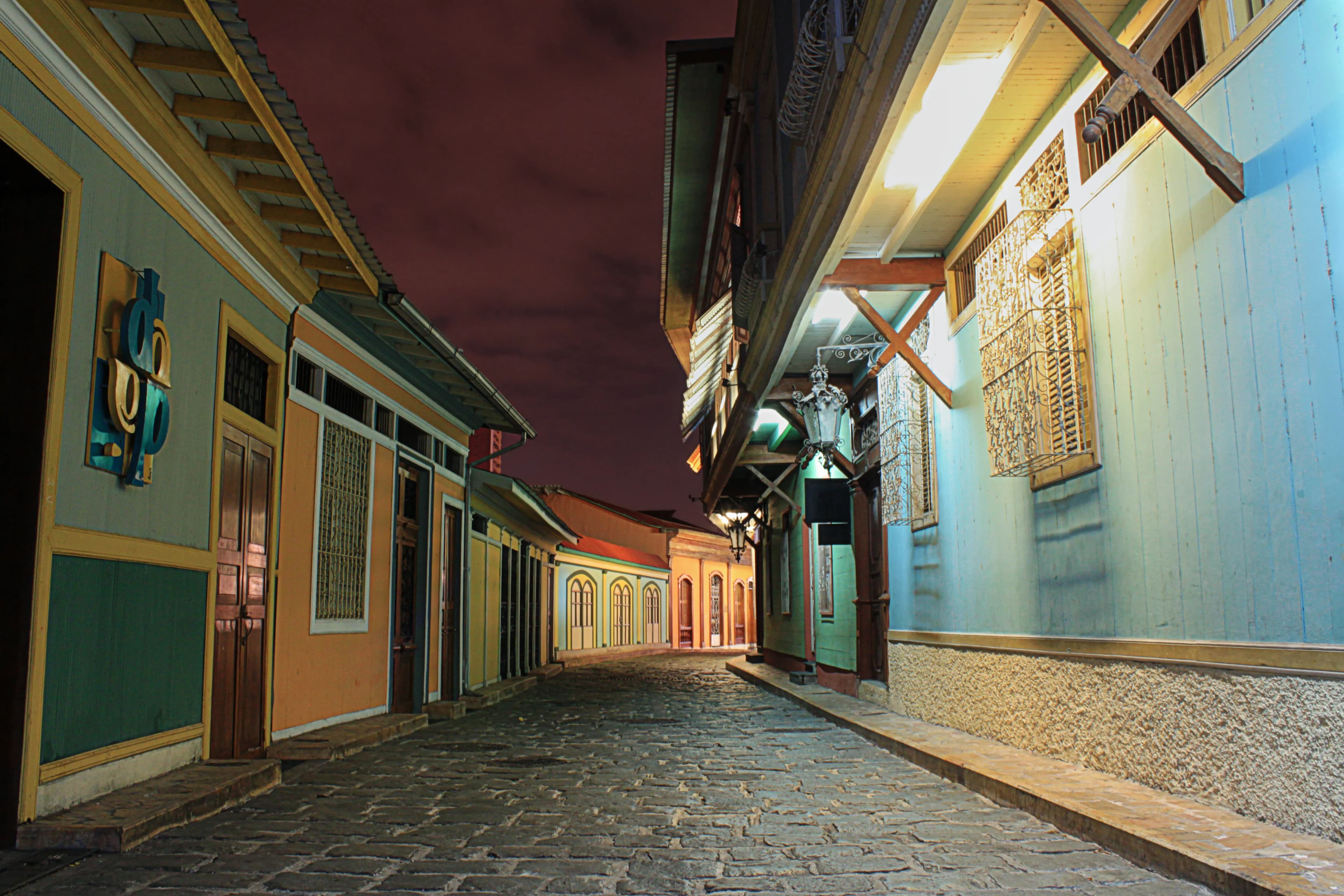
Cities
A quiet cobblestone street passes between colorful buildings in Guayaquil, Ecuador, before bending out of sight. Photographed at night on June 28, 2010, the composition follows the street toward a destination the image never reveals. Architecture frames the passage while the cobblestones carry the eye toward the illuminated corner and whatever lies beyond it.
View the photograph →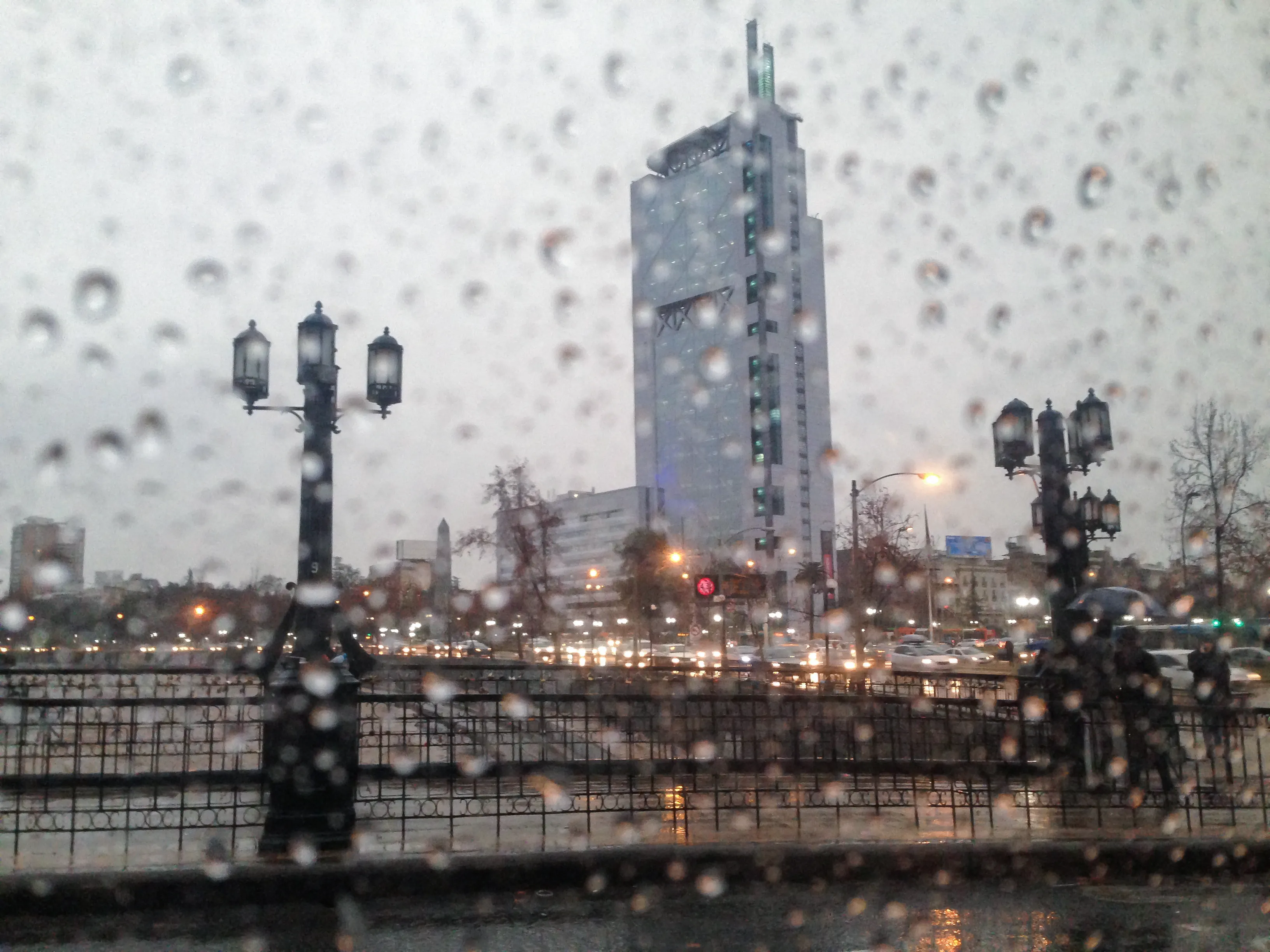
Journeys
On a rainy morning in August 2015, Francisco Colón photographed the view through a taxi window shortly after arriving in Santiago, Chile. Traveling from the airport toward his hotel, he deliberately attempted to focus his iPhone 5 on the raindrops covering the glass. The camera never quite achieved the focus he wanted. Beyond the rain was Santiago — the city he had chosen to travel to, during a period when the direction of his own life was considerably less certain.
View the photograph →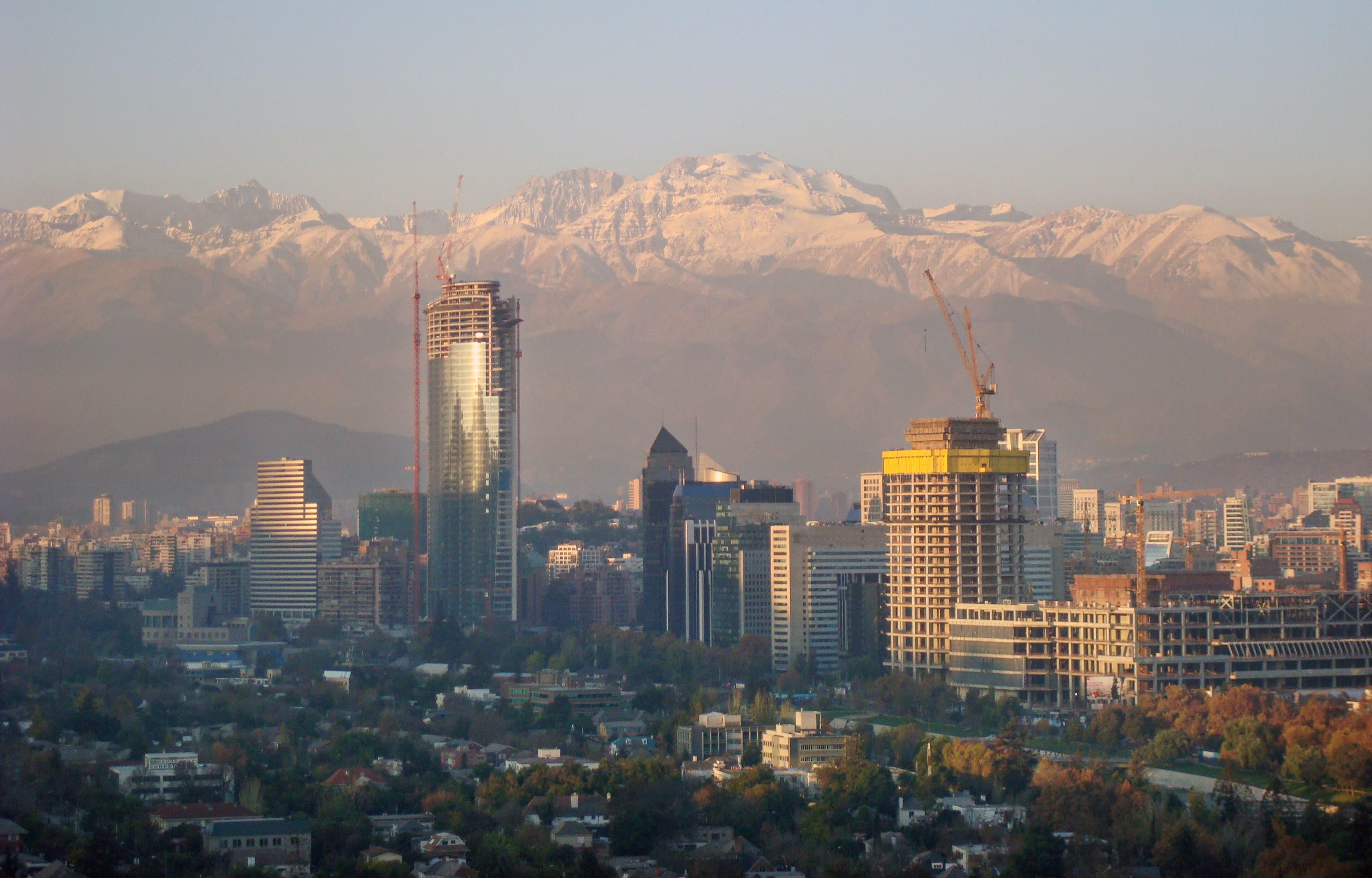
Cities
Santiago, Chile, stretches beneath the snow-covered Andes Mountains on May 31, 2009. Construction cranes and unfinished towers rise across a changing city beneath a landscape shaped on an entirely different scale of time. Made with a Sony camera before Francisco Colón considered himself to have begun his photographic journey, the image carries a meaning recognized only in retrospect: he photographed a city being built during a period when he, too, was still being constructed.
View the photograph →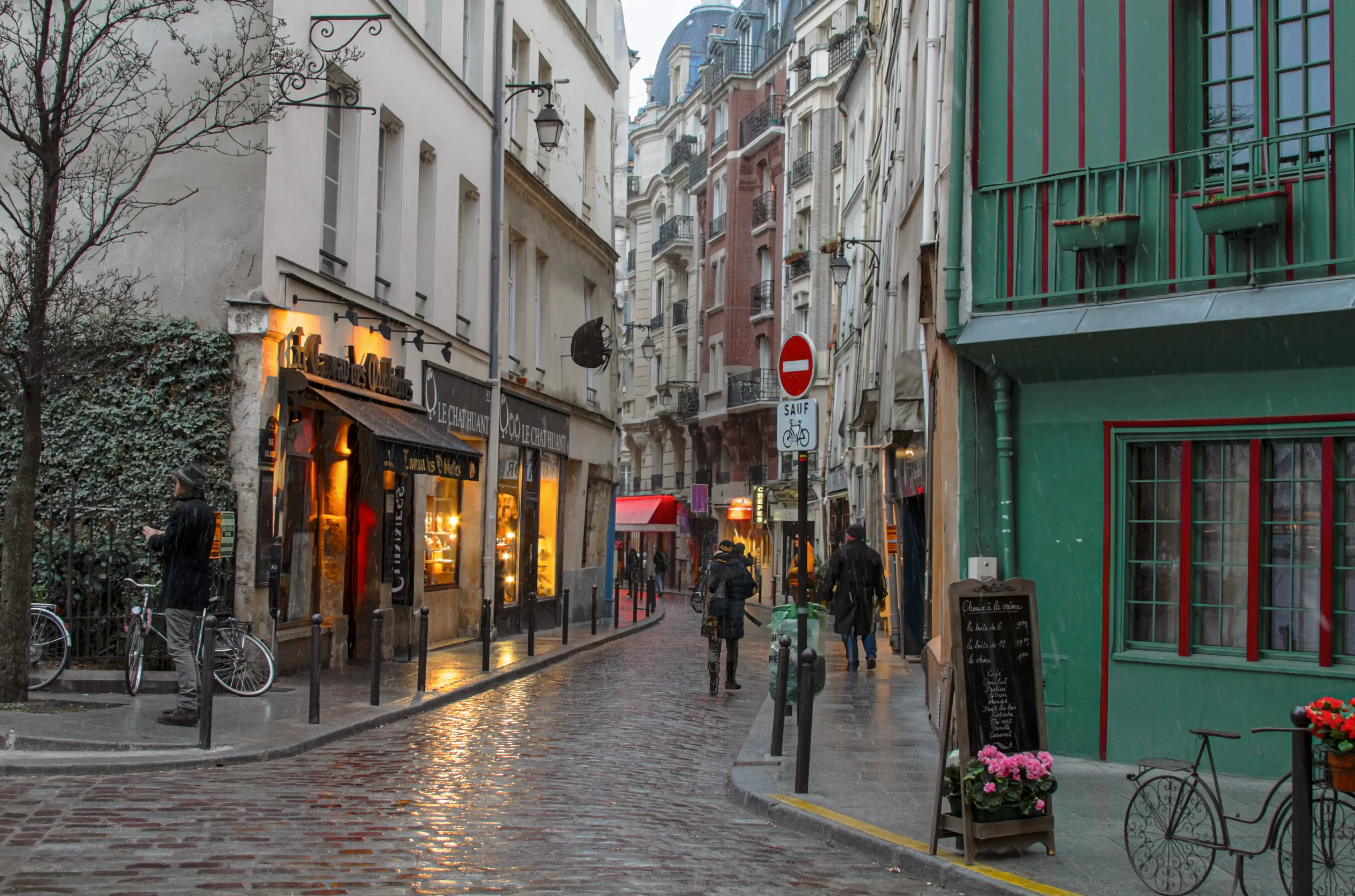
Photography Wing
A narrow Paris street curves out of sight on a rainy February evening, as pedestrians make their way along wet cobblestones illuminated by the warm glow of nearby shops and restaurants. Photographed on February 24, 2013, while walking through Paris, the scene captures an unplanned moment encountered along the way—a small street whose turn leaves what lies beyond it unseen.
View the photograph →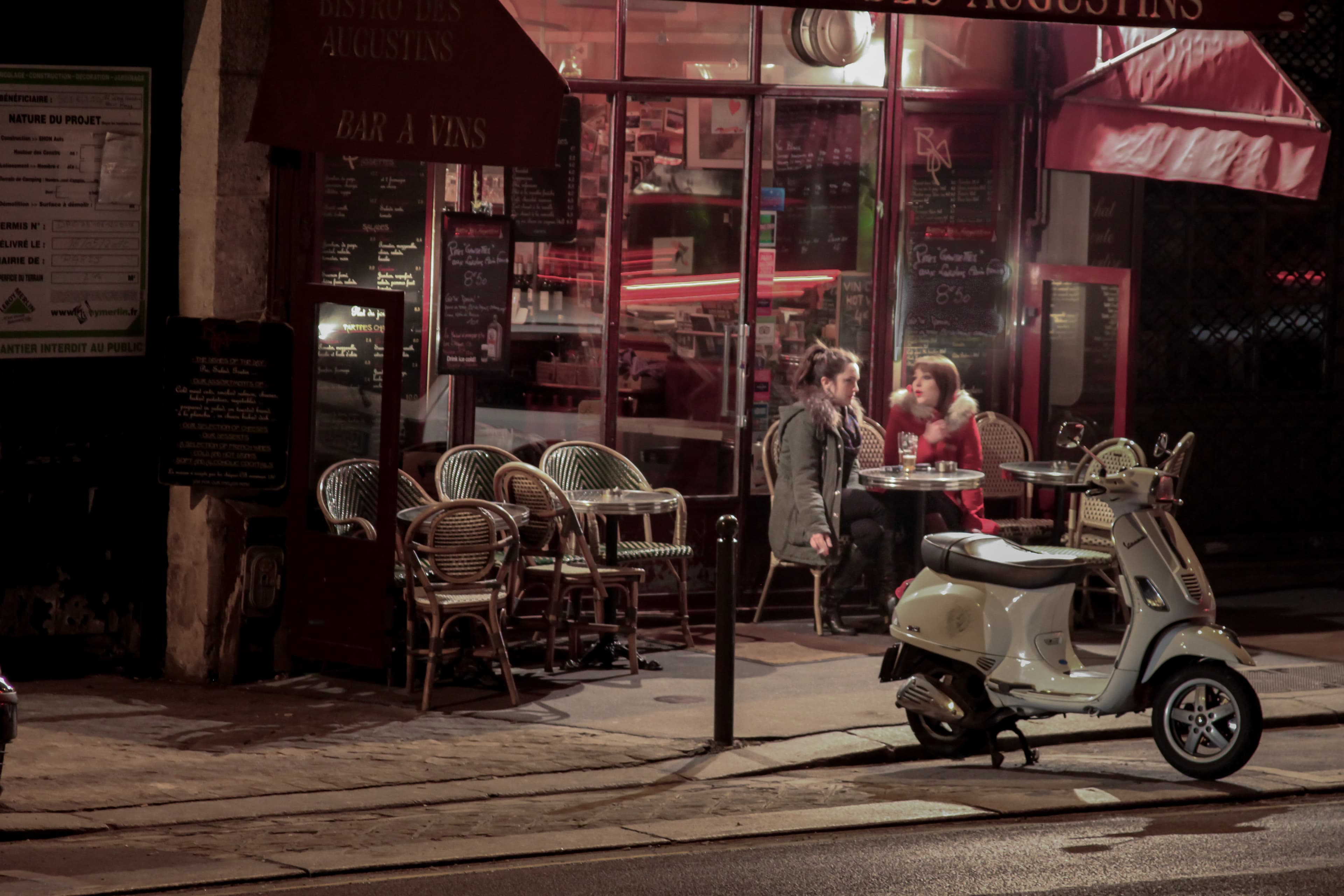
Cities
Two women share an evening conversation outside a neighborhood café in Paris while a white scooter rests along the curb. Empty chairs, illuminated storefronts, and passing reflections surround a quiet human moment unfolding within the movement of the city.
View the photograph →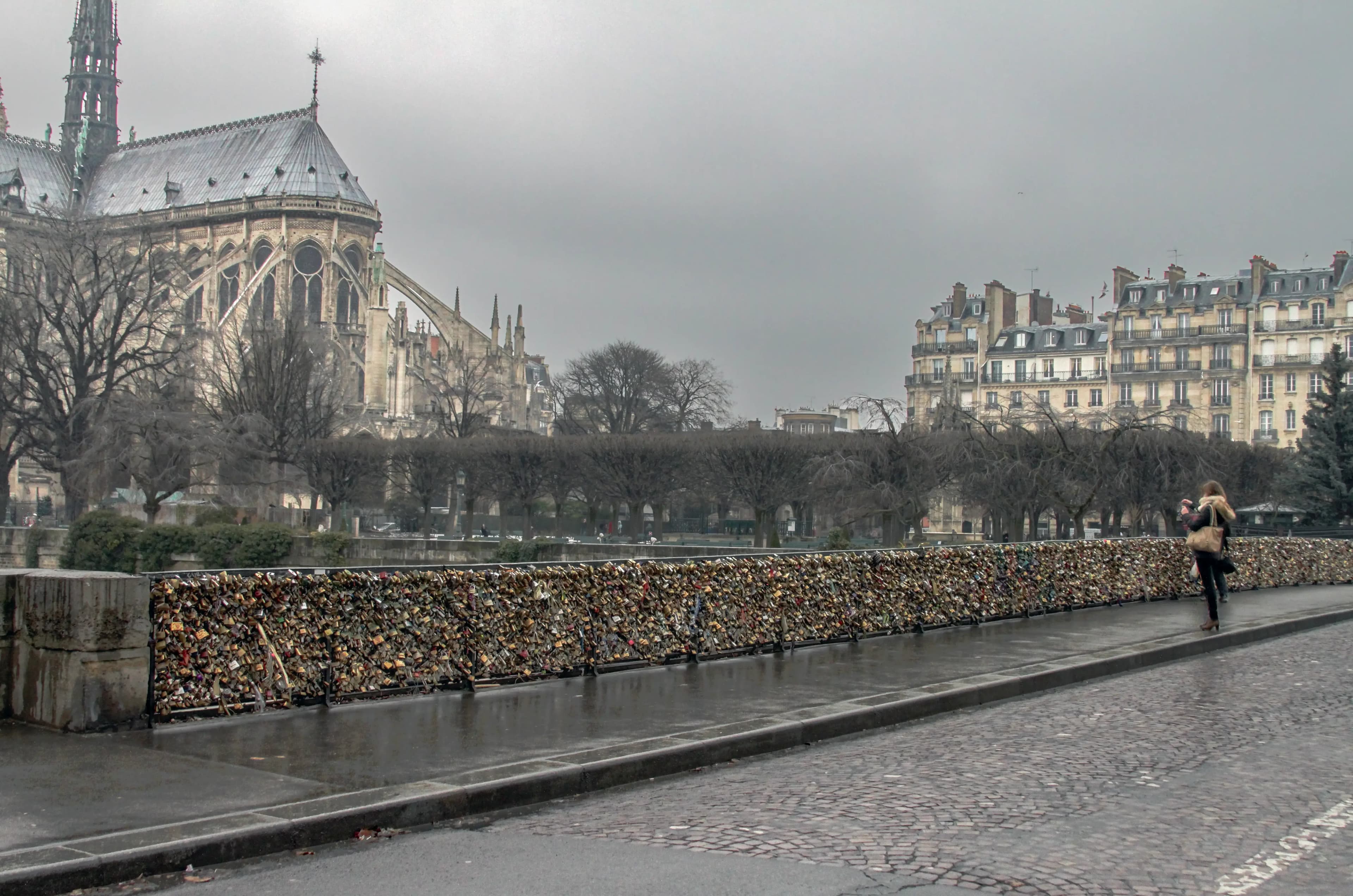
Cities
Thousands of love locks cover the Pont de l’Archevêché beside Notre-Dame on a rainy February day in Paris. As a solitary visitor pauses to photograph the bridge, the accumulated padlocks transform private declarations of devotion into a public monument. Created on February 25, 2013, the image preserves a temporary chapter of Parisian history before the locks were removed because of their structural weight and environmental impact.
View the photograph →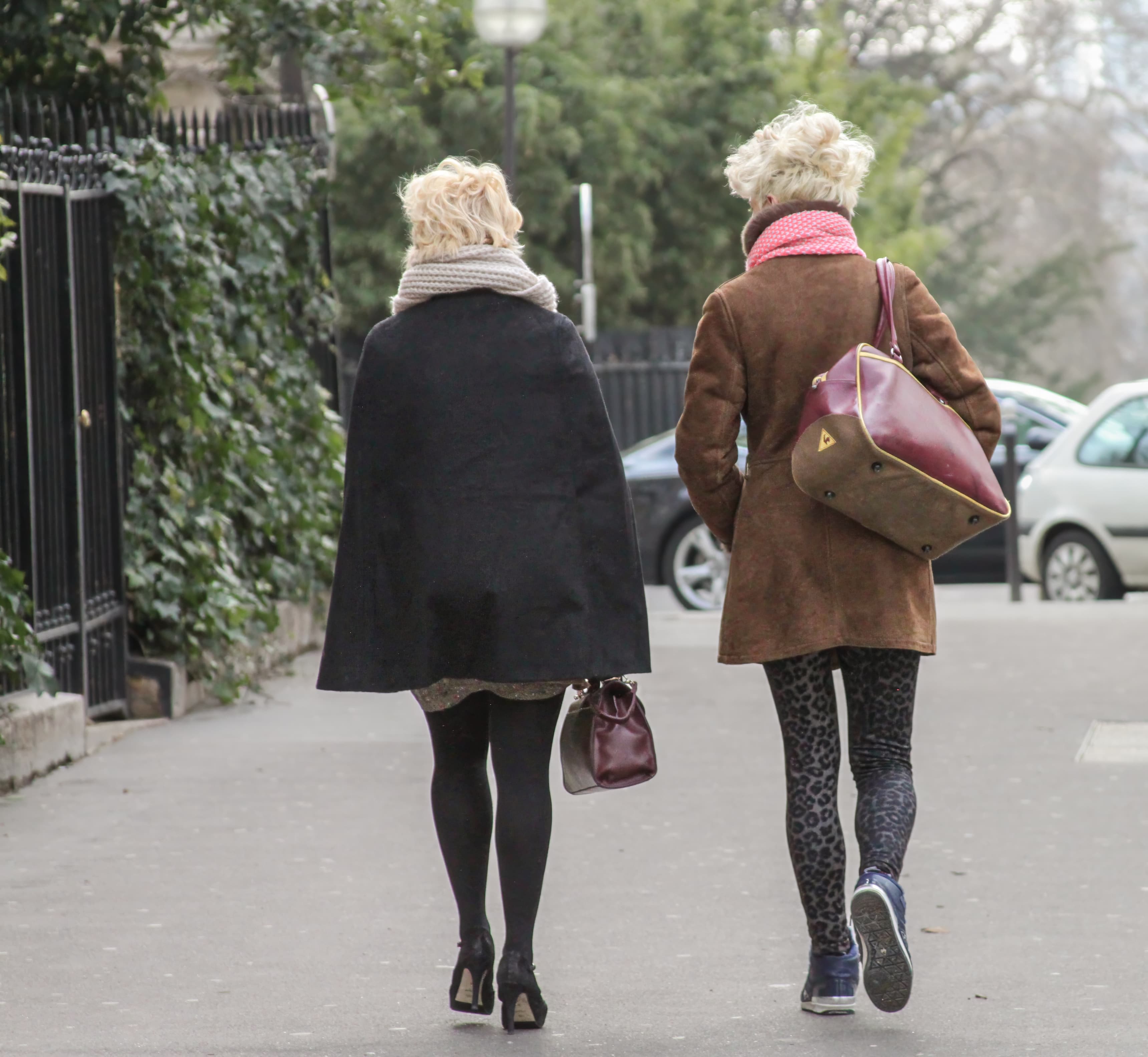
People
Two women walk side by side through Paris, their blonde hair, scarves, long coats, and coordinated handbags creating an unplanned study of everyday fashion. One combines a dark flowing coat with heels, while the other pairs a fitted brown coat and matching bag with patterned leggings and athletic shoes. Photographed as they moved naturally through the city, the scene transforms an ordinary Paris sidewalk into an everyday runway.
View the photograph →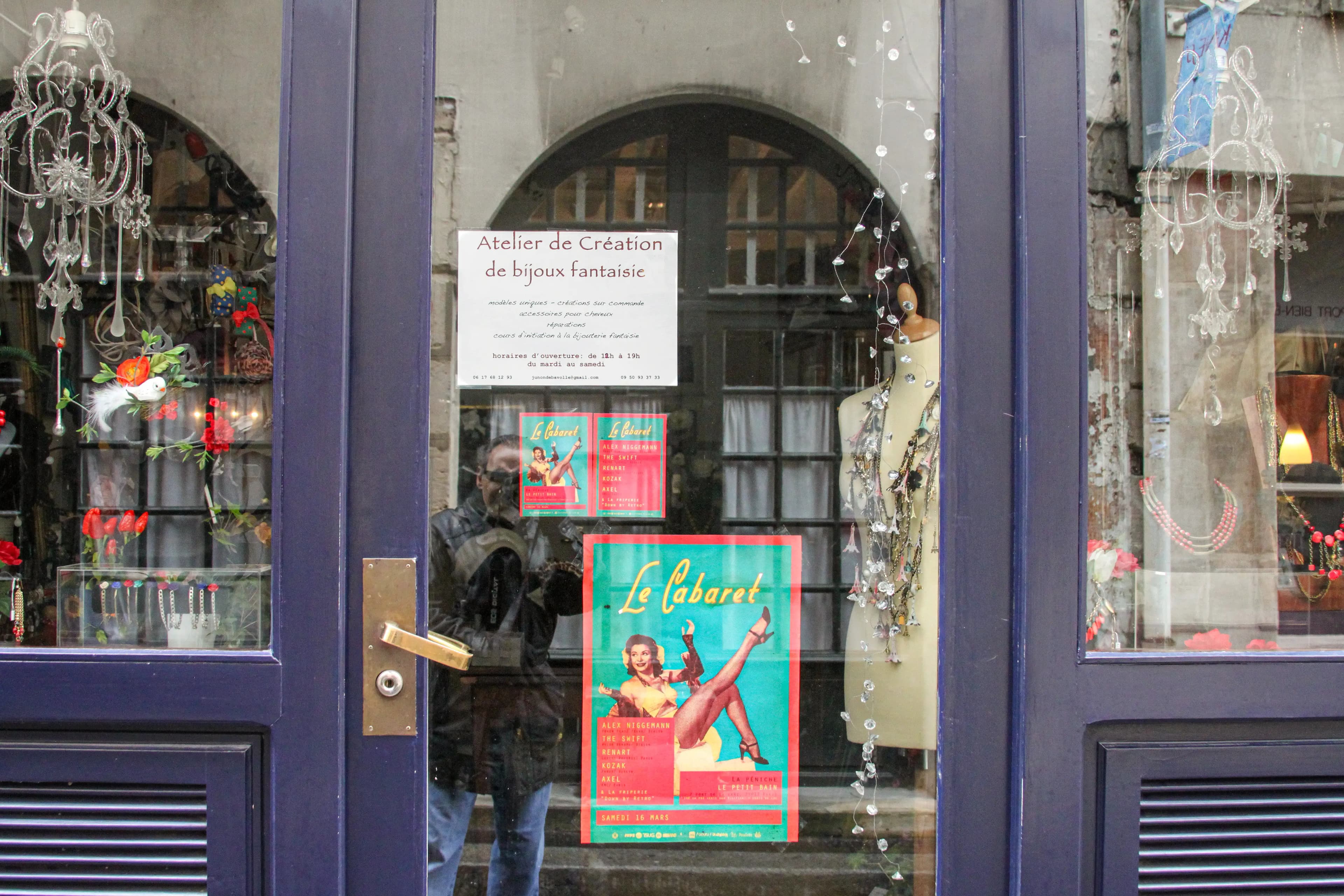
People
A Paris jewelry workshop becomes a layered study of performance, display, and observation. A colorful Le Cabaret poster occupies the central window, surrounded by costume jewelry, crystal ornaments, and a mannequin adorned for presentation. Reflected within the glass, the photographer intentionally enters the scene, transforming an ordinary storefront photograph into a deliberate self-portrait.
View the photograph →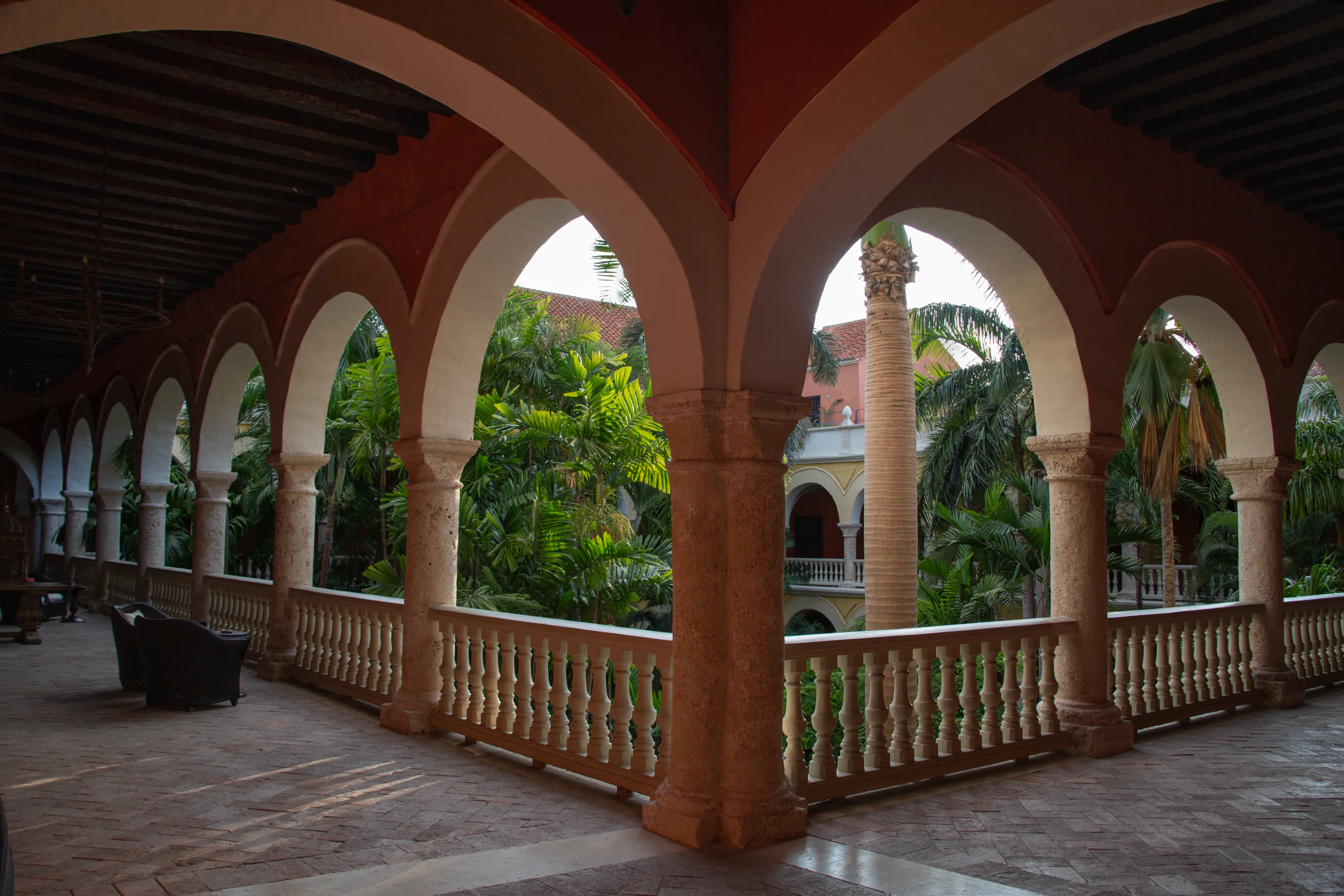
Reflections
Repeating arches frame a tropical courtyard inside a hotel in Cartagena, Colombia, where warm architecture, palms, and quiet walkways create a place of shelter and reflection. Photographed during a business trip, the scene recalled a home imagined and drawn by the artist at eighteen—a home that also contained arches. What began as temporary accommodation became an encounter with an architectural memory carried across decades.
View the photograph →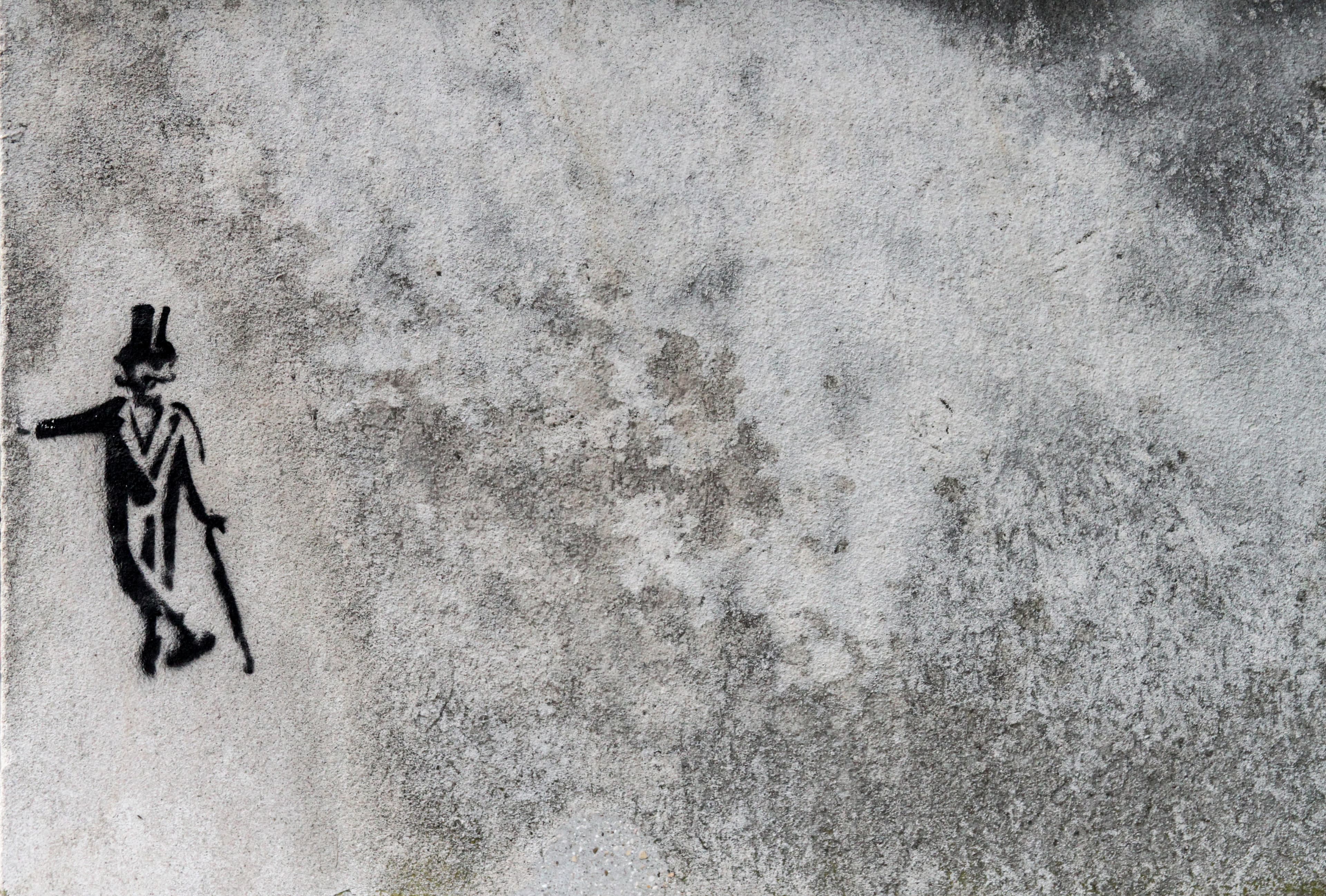
Reflections
A small stenciled gentleman in a top hat steadies himself between a walking cane and an expansive weathered wall in Paris. Surrounded by stains, scratches, and negative space, the anonymous figure appears unexpectedly human despite his simple painted form. Discovered casually while walking through the city, he transforms an ordinary wall into a quiet meditation on age, endurance, and vulnerability.
View the photograph →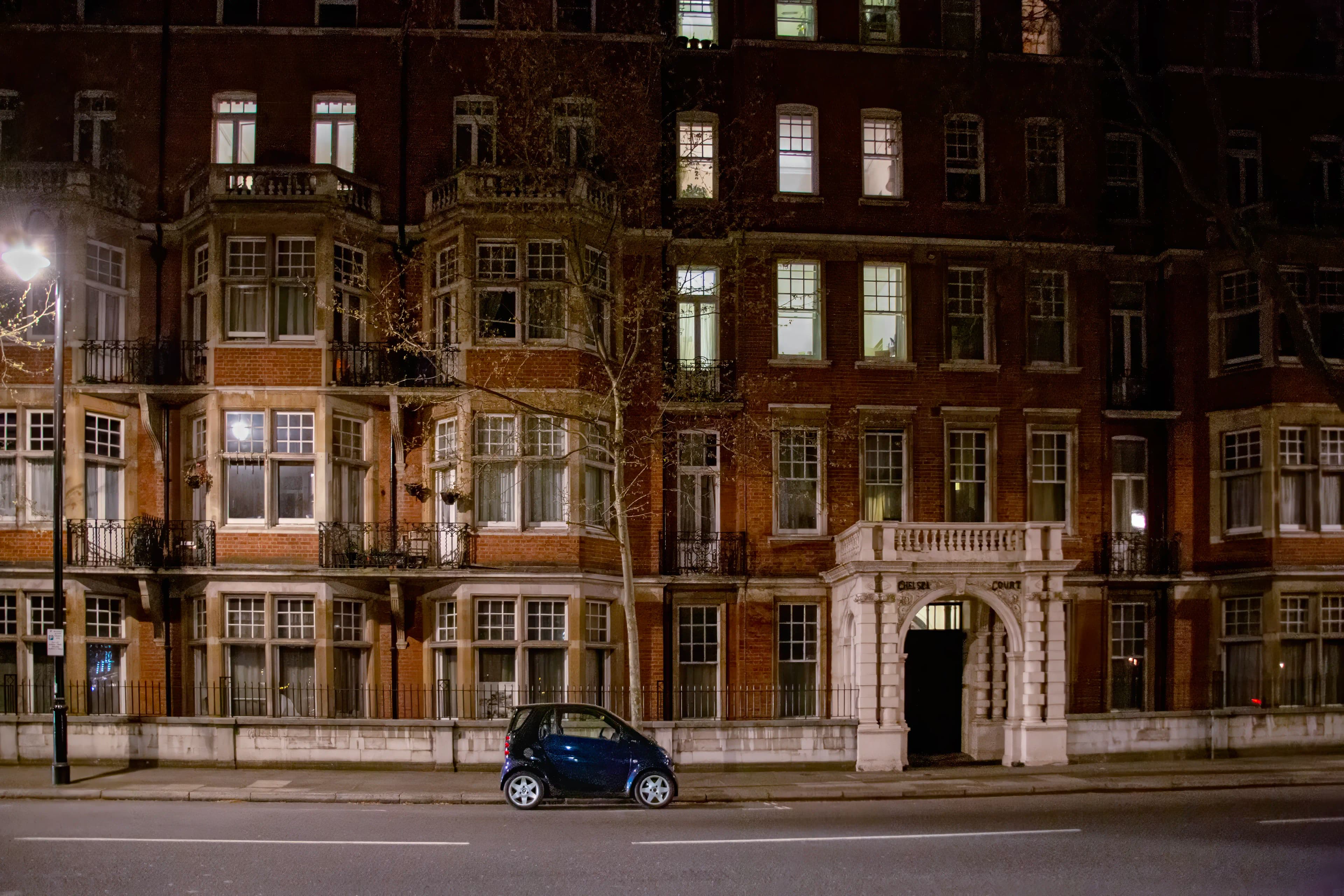
Cities
A solitary compact car rests beneath the towering façade of a residential building in Chelsea, London. Rows of windows and scattered interior lights emphasize the immense scale of the architecture, making the little vehicle appear almost toy-like beneath it. Discovered during a long walk from Hammersmith toward the Tower of London, the ordinary nighttime scene became a quiet study of scale, solitude, and urban stillness.
View the photograph →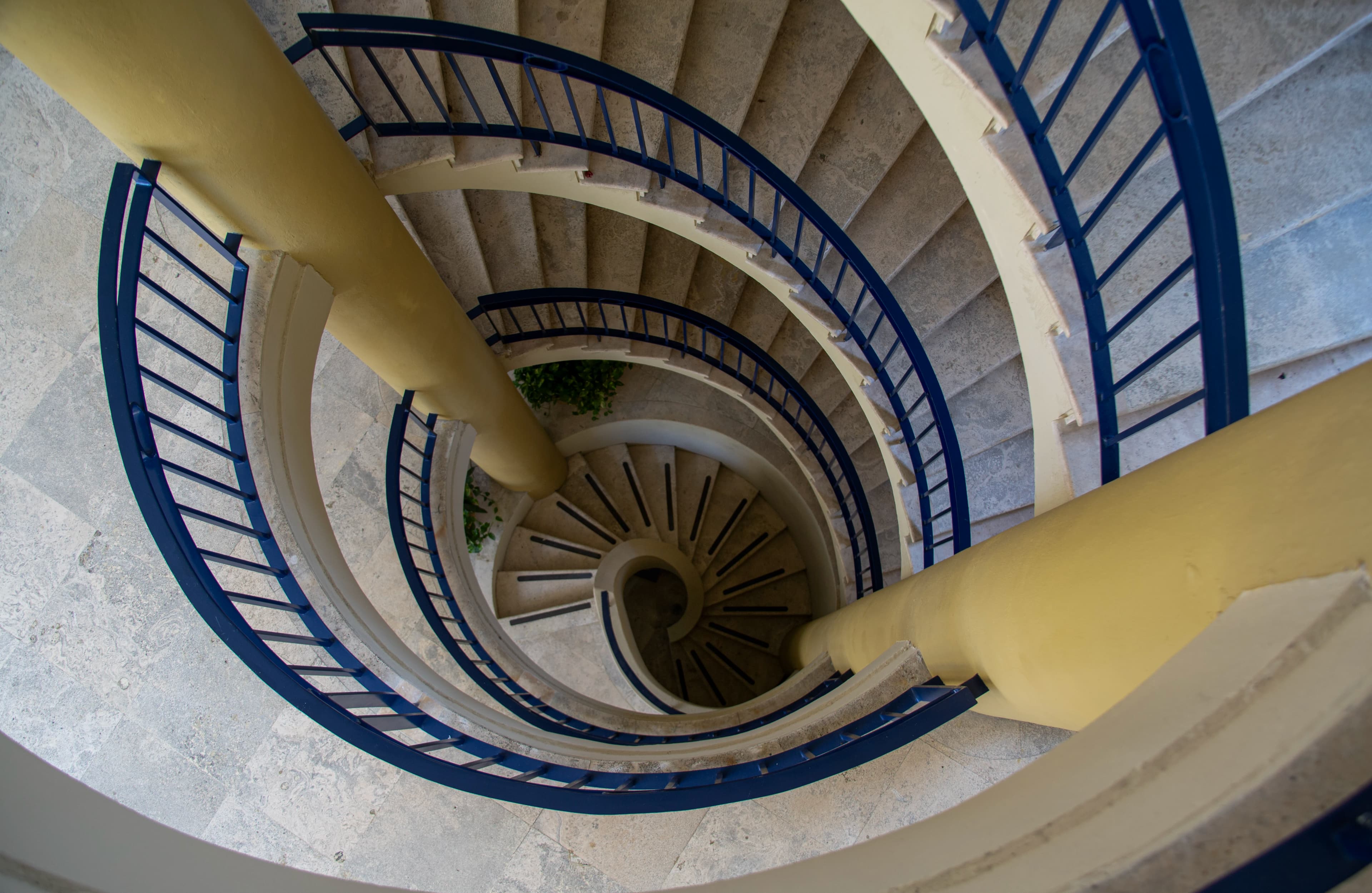
Cities
Blue railings, pale stone steps, and yellow columns form a layered spiral inside an unidentified hotel in Cartagena, Colombia. Photographed from an upper landing during a lunch break, the staircase appears to circle inward toward a shadowed center. Repetition, color, and perspective transform a functional passageway into an architectural study of movement, depth, and visual discovery.
View the photograph →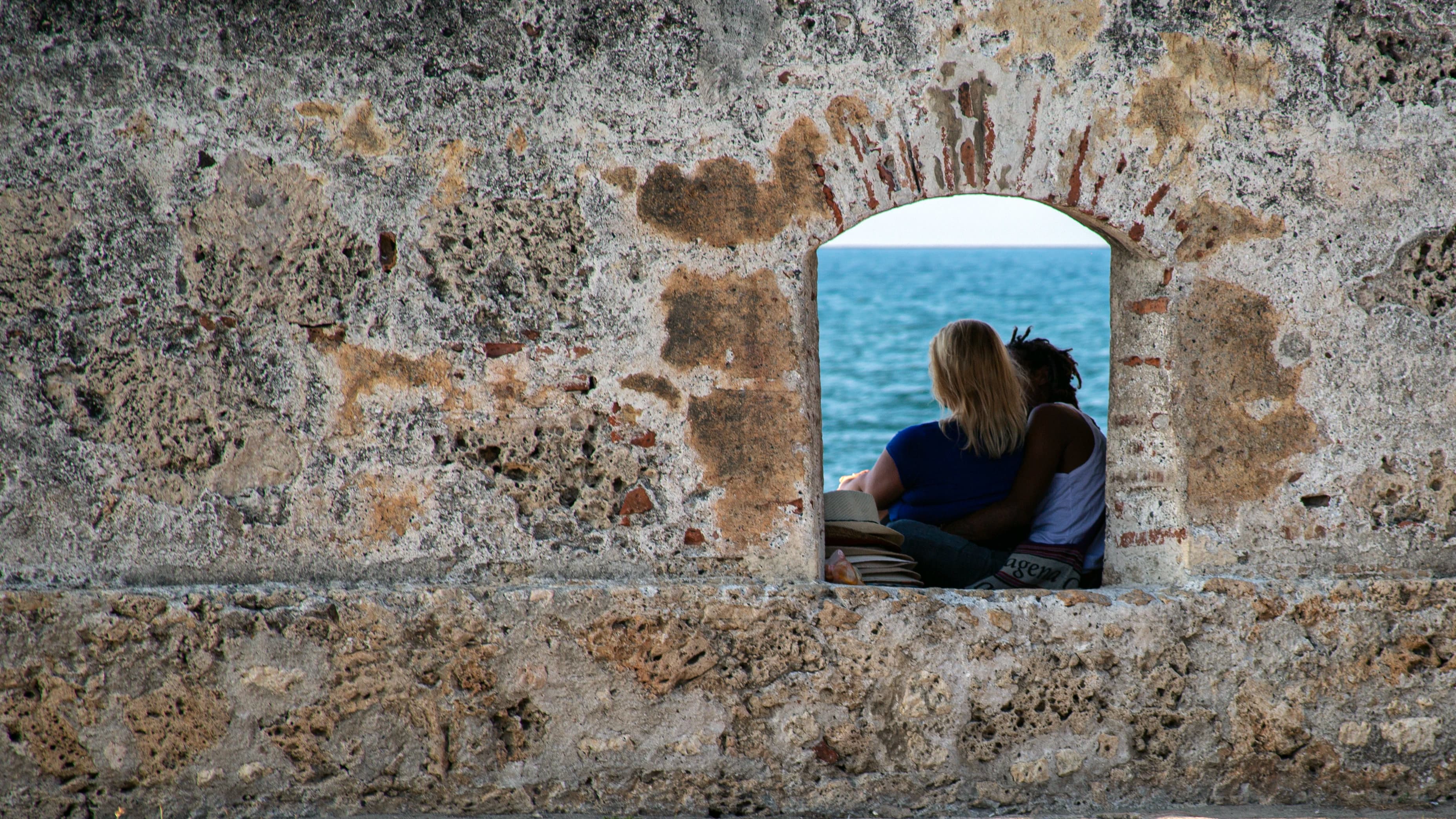
People
Two people share a quiet embrace within a small opening in a weathered stone wall overlooking the sea in Cartagena, Colombia. Surrounded by the scale and texture of the historic architecture, their intimate connection appears momentarily sheltered from the world around them. The opening creates a natural frame, transforming a fleeting human gesture into the emotional center of the composition.
View the photograph →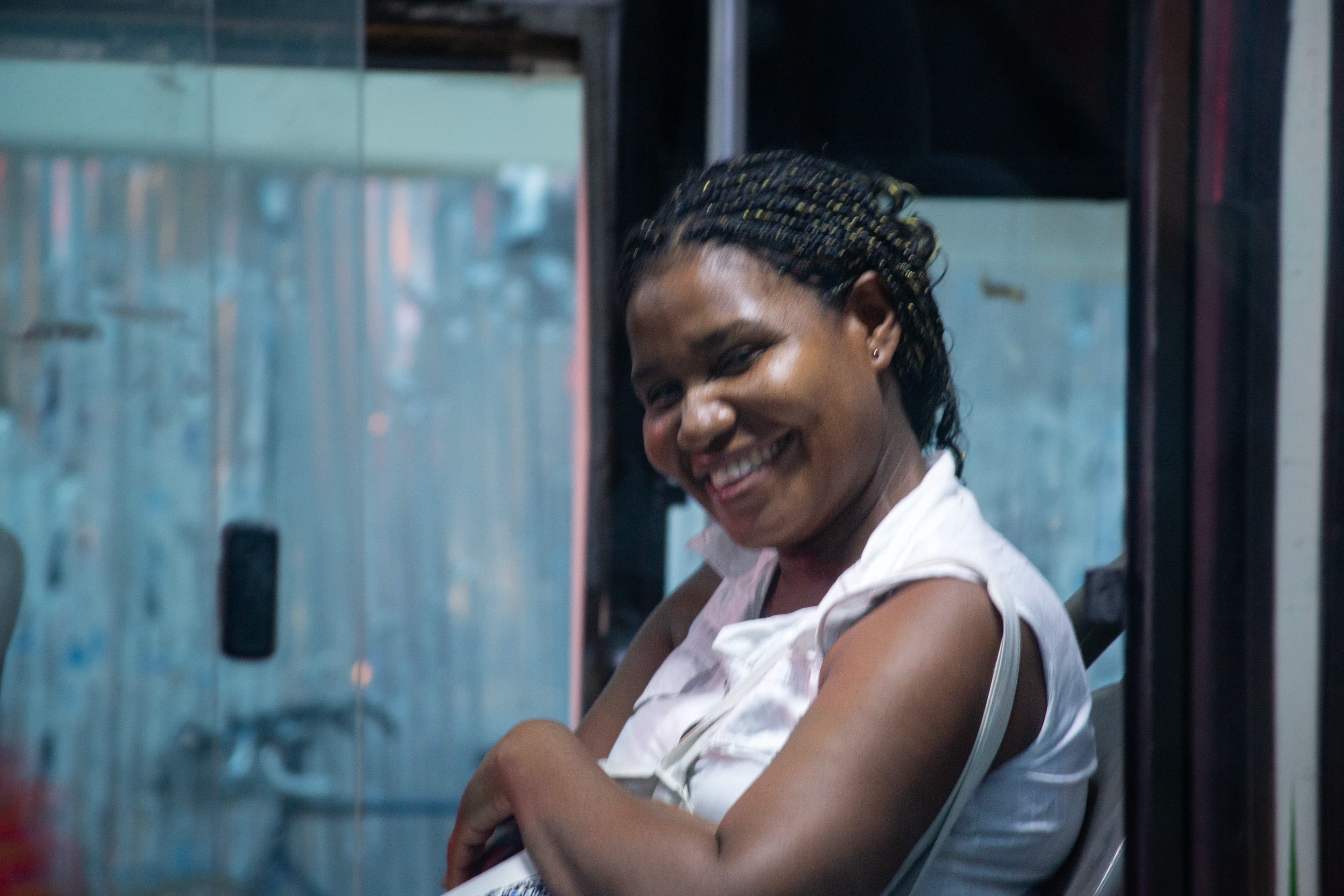
People
During a business trip to Cartagena, Colombia, Francisco Colón noticed a woman seated inside a bus positioned alongside his own. At first, she did not realize that he intended to photograph her. He raised his camera and gestured for her to smile. She understood, turned toward him, and offered the expression preserved here. The photograph records a brief, wordless collaboration between two strangers before their separate journeys continued.
View the photograph →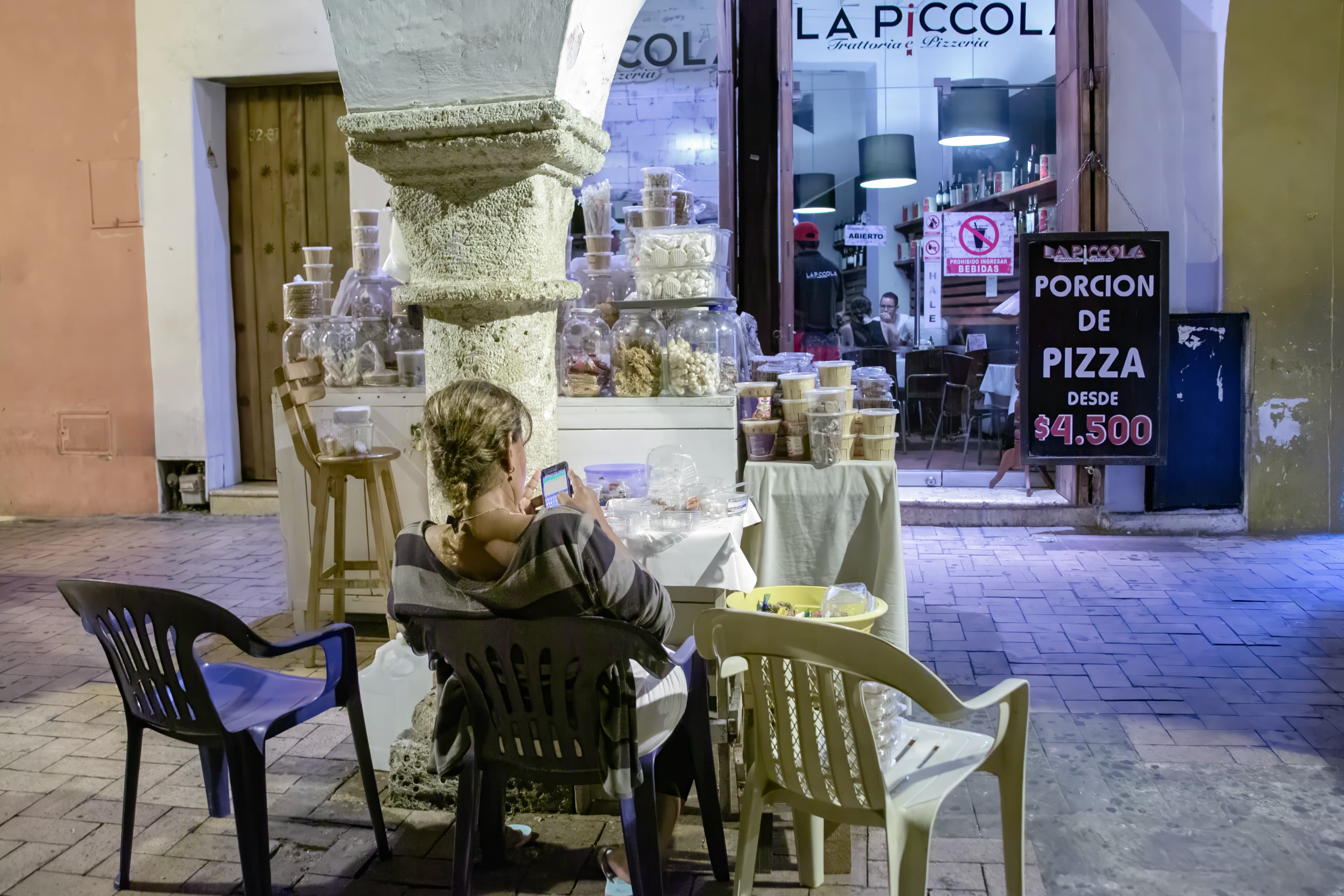
People
A woman sits quietly beside a street display on a nighttime arcade in Cartagena, Colombia, absorbed in the light of her phone. Empty chairs surround her while containers of goods, a nearby restaurant, and contrasting pools of warm and cool light suggest a street temporarily between moments of activity. What she is waiting for remains unknown, allowing an ordinary pause to become an open-ended story.
View the photograph →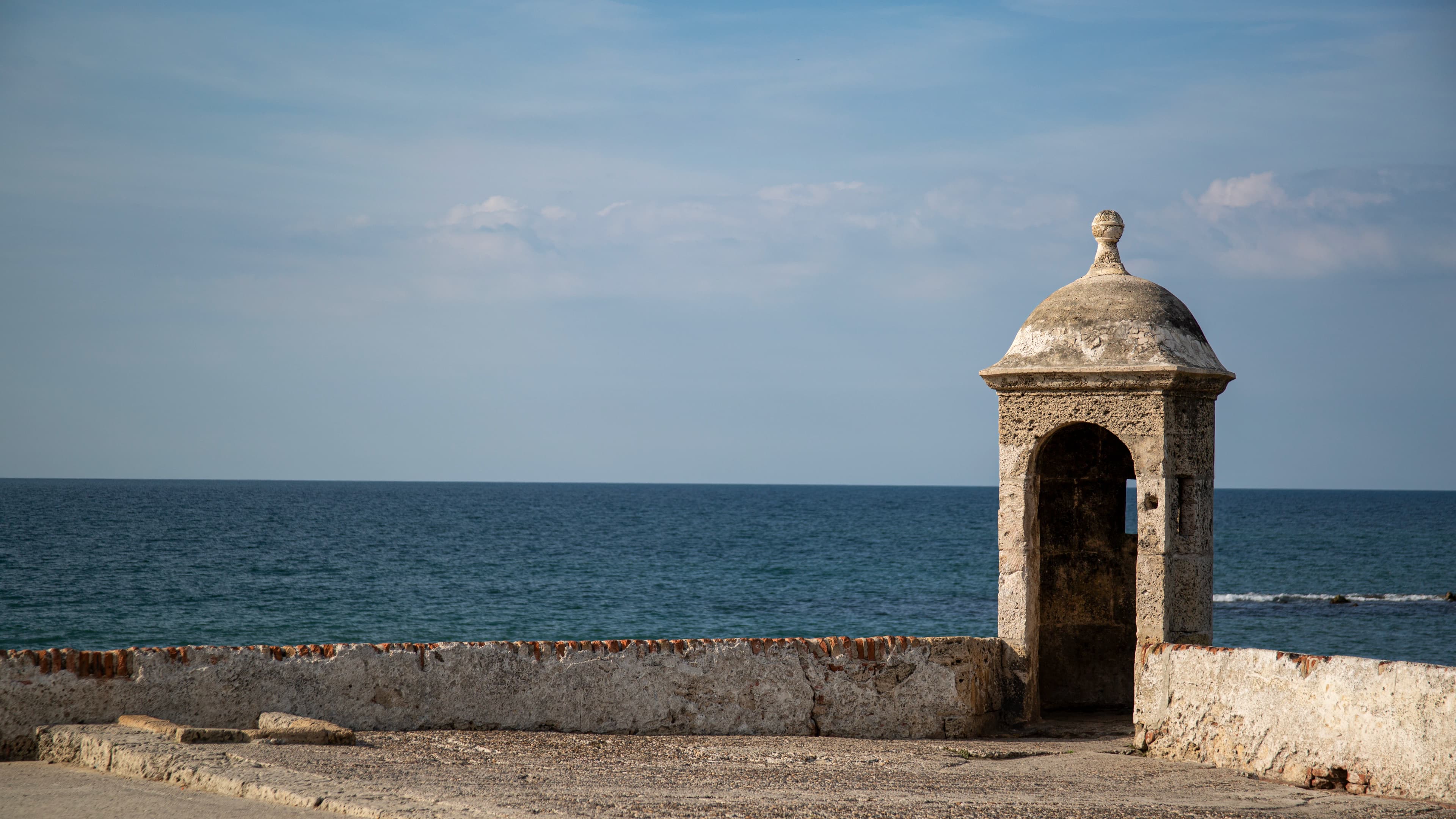
Cities
A solitary stone sentry post stands along Cartagena's historic fortified wall, facing the Caribbean Sea. Originally created as part of a defensive system intended to protect the Spanish colonial port, the weathered structure now watches over a quiet horizon. Broad layers of stone, water, and sky emphasize its enduring presence, while a small bird crossing the distance suggests the passage of time beyond the wall.
View the photograph →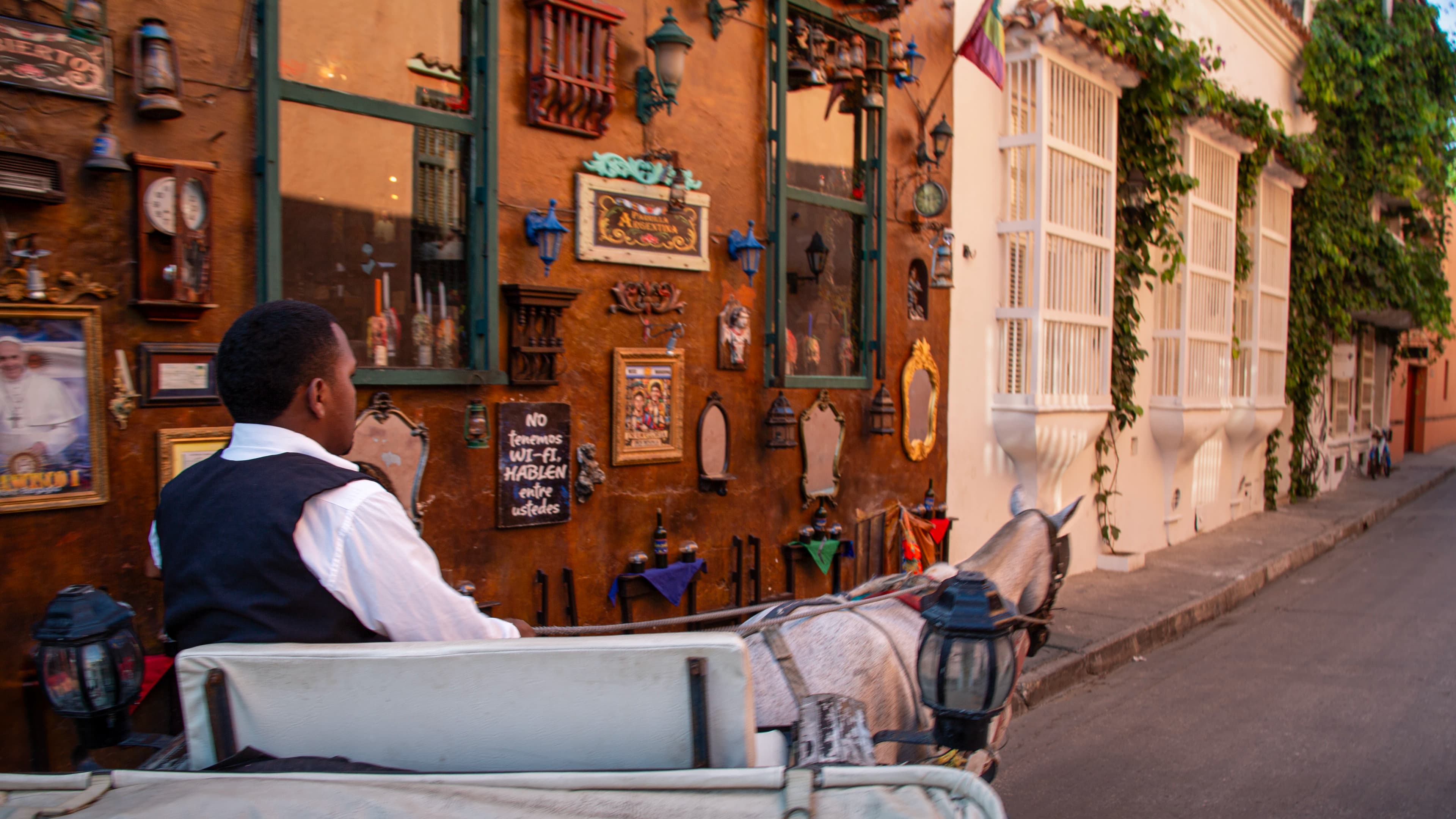
Cities
Photographed from a horse-drawn carriage moving through Cartagena's old city, this layered street scene reveals the photographer's attention turning away from the road and toward an extraordinary decorated wall. Mirrors, lanterns, clocks, religious imagery, nameplates, tables, and a handwritten sign reading “No tenemos Wi-Fi. Hablen entre ustedes” compete for attention as the driver and horse continue forward. The image reflects the difference between passing through a place, photographing it, and fully experiencing it.
View the photograph →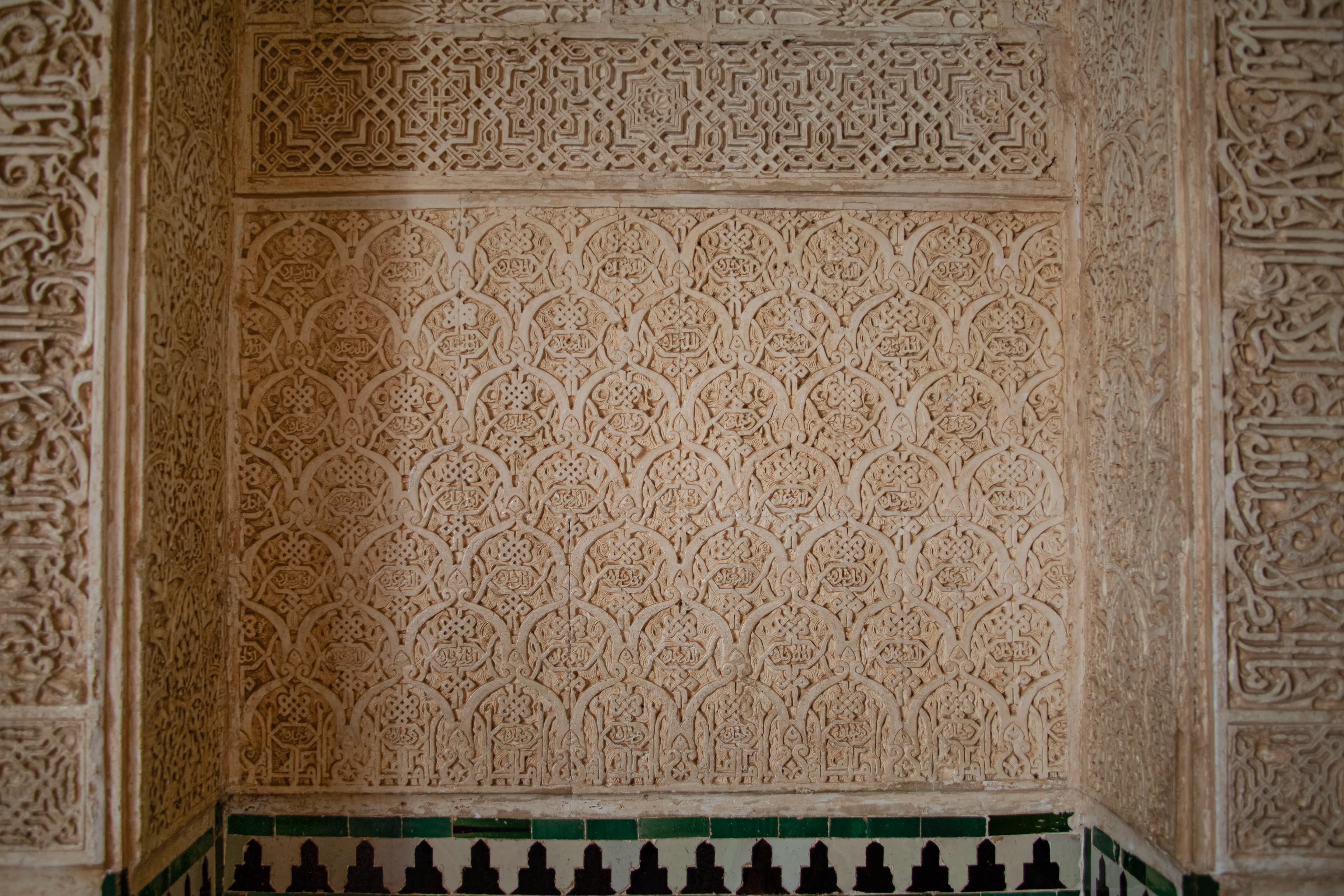
Cities
Inside the Alhambra, centuries-old plasterwork transforms architecture into a surface of geometry, ornament, and written language. Repeating patterns, carved borders, Arabic calligraphy, and traces of age fill the composition. What first attracted the photographer as visual design gradually became something more compelling: the realization that the forms were carrying meaning he could see but could not yet understand.
View the photograph →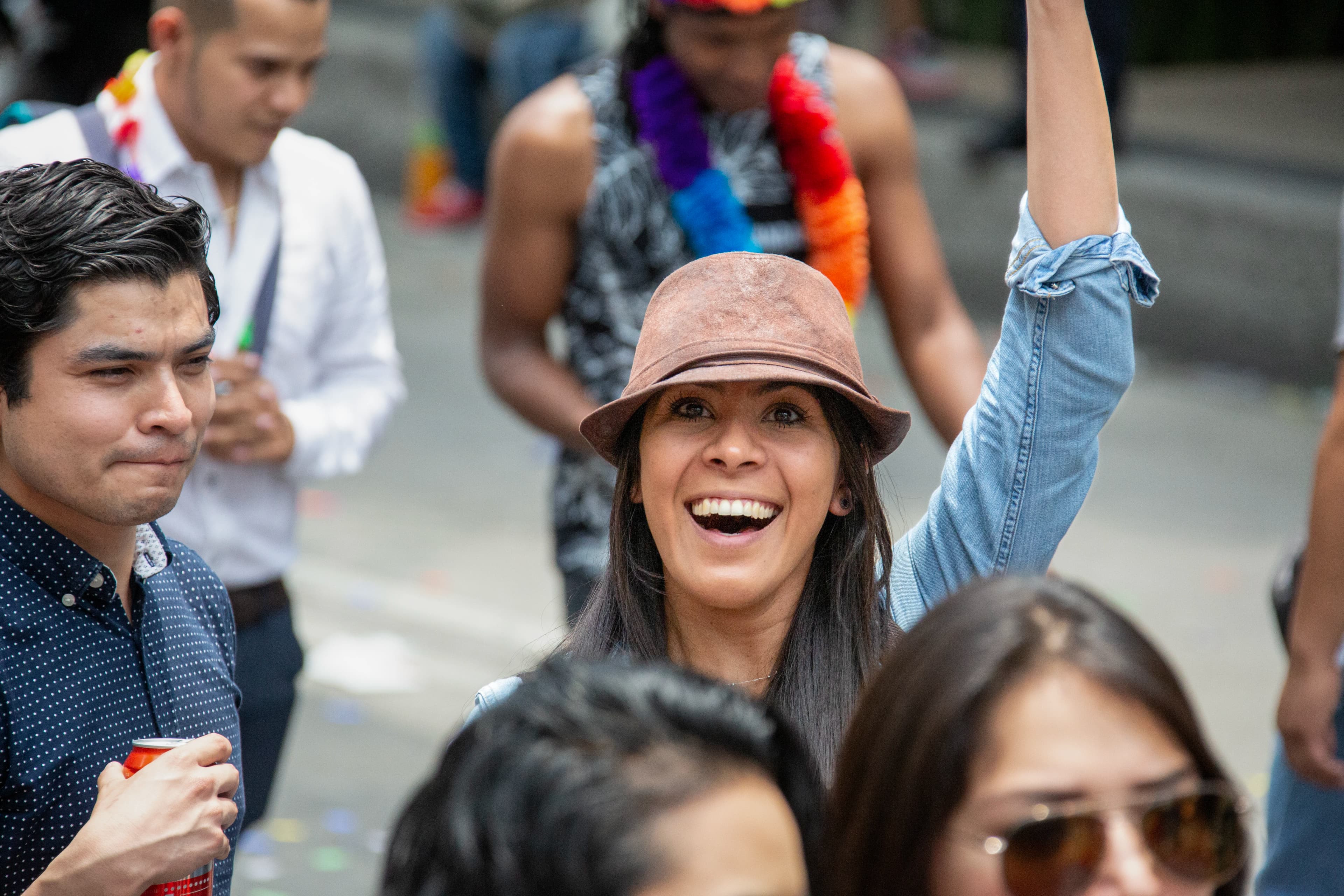
People
An unexpected reunion unfolds in the middle of a Pride parade in Mexico City. While photographing the celebration from an elevated position, I was suddenly spotted by a friend I had first met during a business trip to Mexico City in 2003 and had not seen since 2006. Her raised arm, direct gaze, and spontaneous expression of joy capture the instant of recognition—one familiar face finding another within the movement of a crowded street.
View the photograph →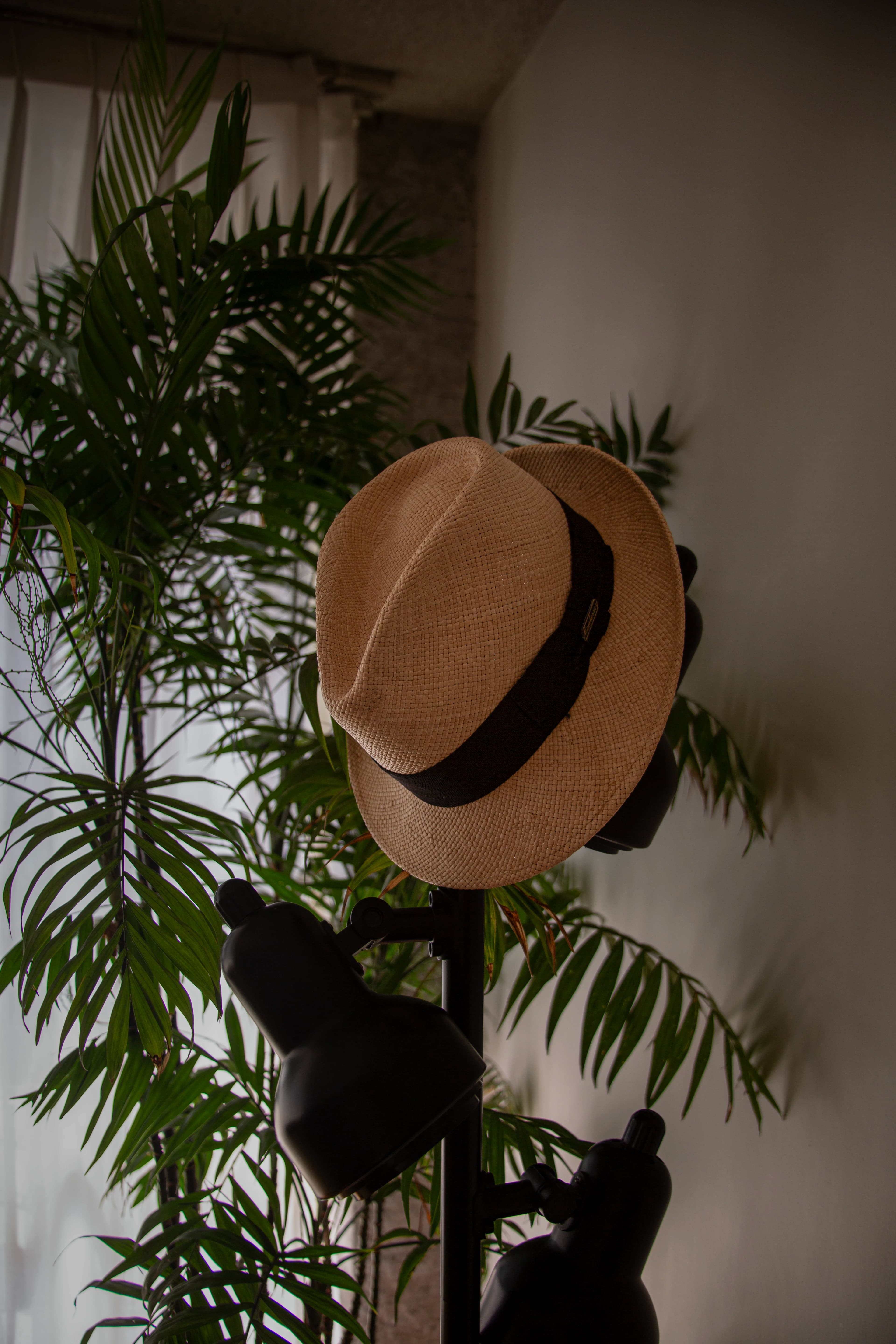
Reflections
While living in Mexico City, I picked up my camera one quiet afternoon and began photographing ordinary things around my apartment. My hat, hanging where I had left it, caught my attention because of the contrast between its warm woven texture, the dark lamps, and the surrounding green foliage. Nothing in the scene was arranged for the photograph. It was simply an everyday corner of my home that, for a moment, became something worth noticing.
View the photograph →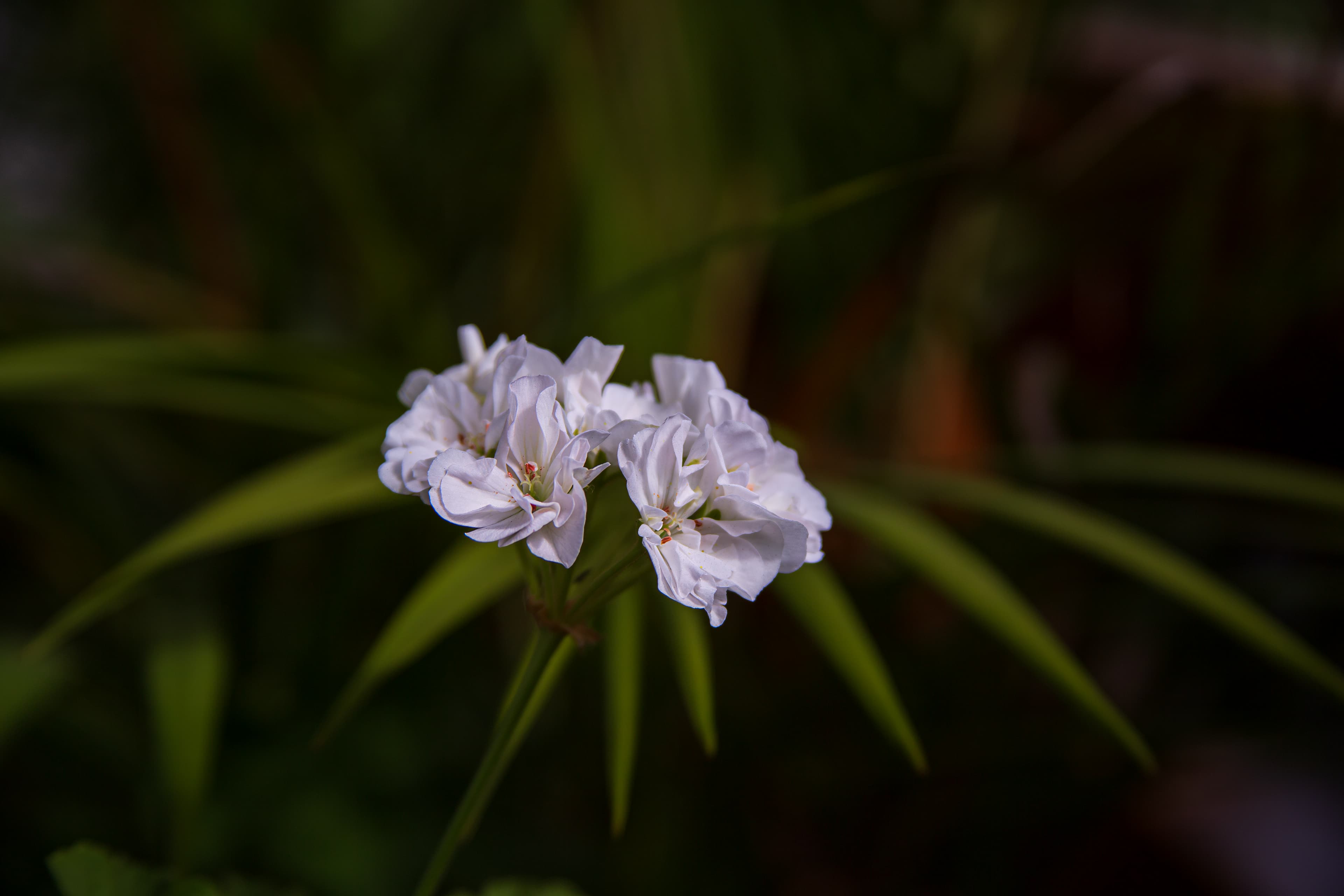
Nature
While living in Mexico City, Francisco Colón stepped onto the balcony of his apartment with his camera on an otherwise ordinary day, looking for something to photograph without going anywhere at all. Among the familiar plants, a small cluster of white flowers—believed to be a white-flowering Pelargonium, commonly known as a geranium—emerged against the deep greens and shadows. Long leaves radiate outward behind the blossoms, naturally drawing the eye toward something that might otherwise have gone unnoticed. Because I Looked is a quiet study of observation—the discovery that inspiration does not always require a destination. Sometimes it is already there, waiting to be noticed.
View the photograph →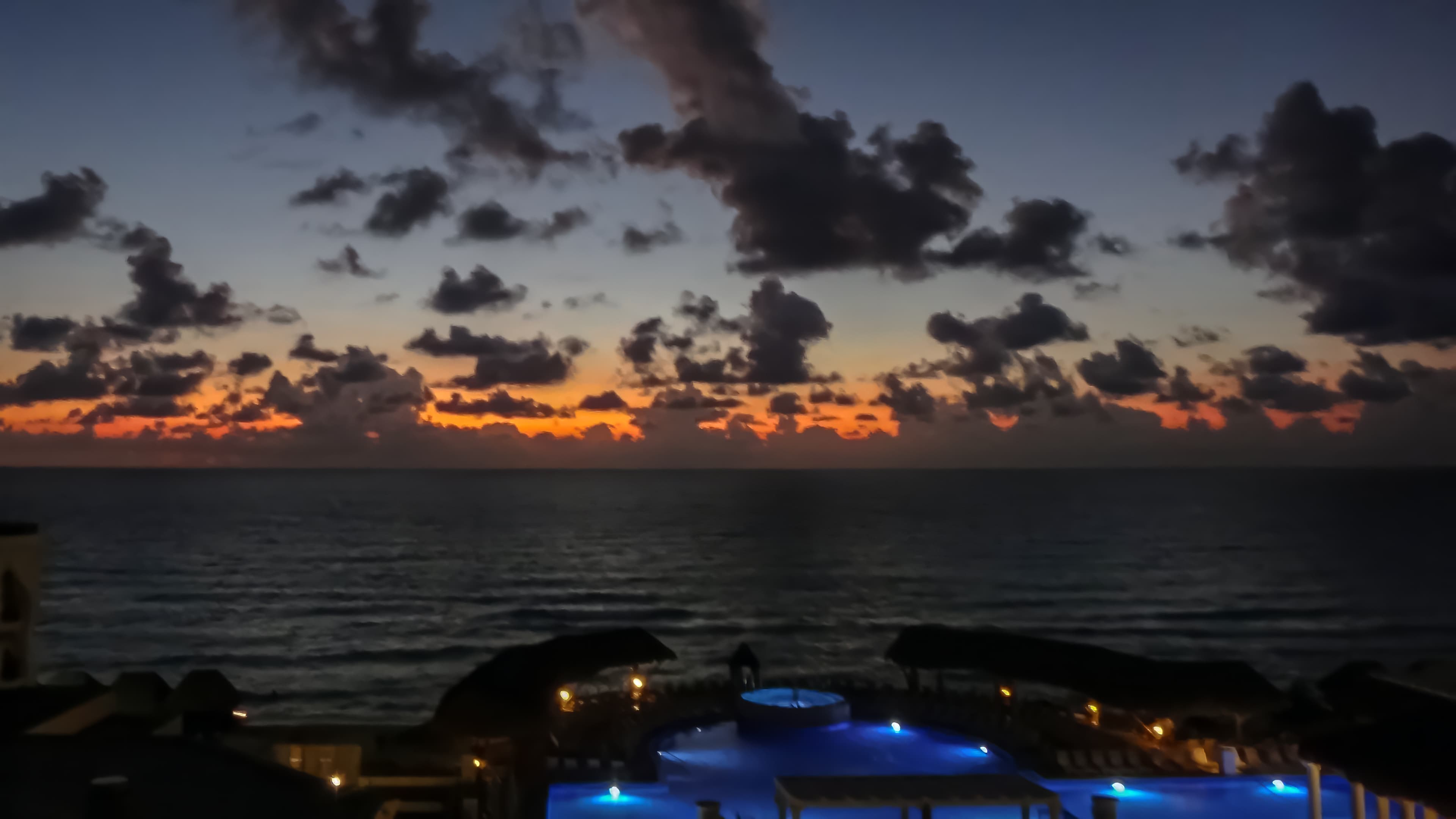
Reflections
Beyond the darkened resort, the Caribbean meets the first light of morning. A narrow line of orange divides the sea from a sky still holding the night, while the illuminated pool below glows electric blue. Made during a few private days in Cancún, the photograph became connected to Misma llave, misma puerta—not simply as a record of a place, but as the atmosphere surrounding a memory.
View the photograph →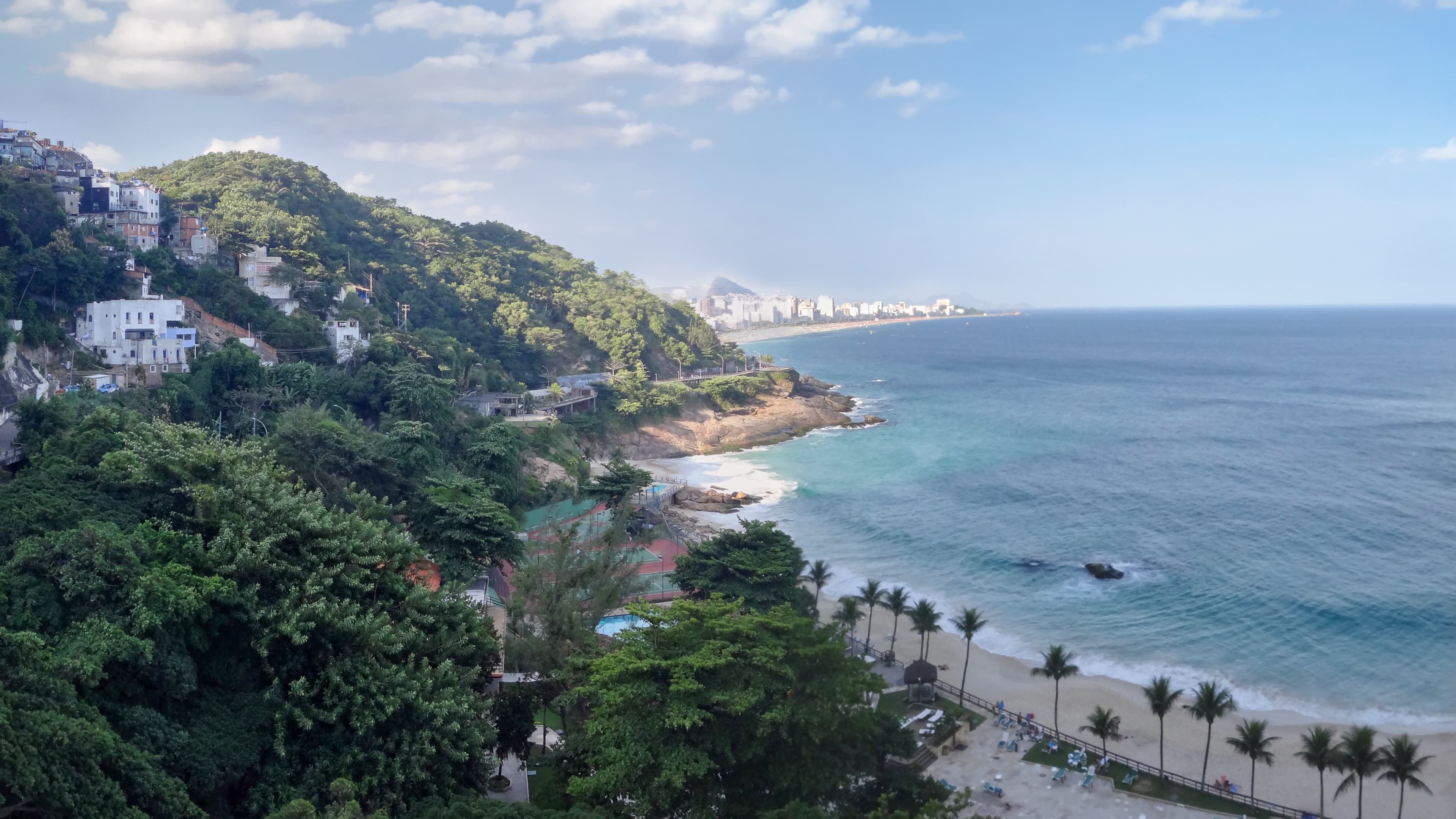
Journeys
From a high corner room at the Sheraton, Rio de Janeiro unfolds between a forested hillside and the Atlantic Ocean, with the coastline leading toward Leblon and Copacabana. It was a view repeatedly requested during many visits to the city. The photograph preserves more than familiar scenery—it recalls the place where Portuguese was learned through conversations with local people and where the rhythms of samba began finding their way into compositions written with Spanish lyrics.
View the photograph →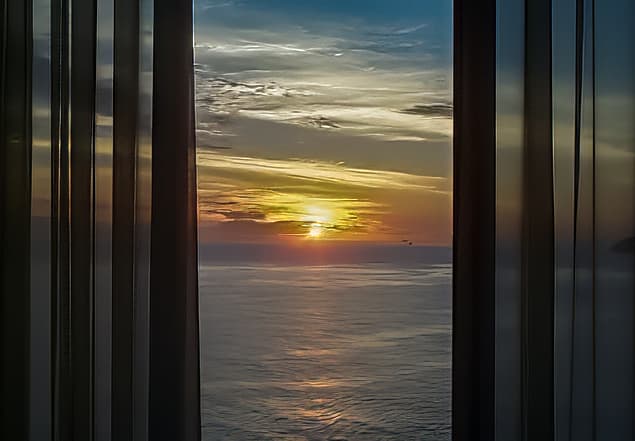
Reflections
Made from a room at the Sheraton Hotel in Rio de Janeiro, this January 2003 photograph records a morning deliberately anticipated. Dark curtains narrow the view to a sunrise emerging over the Atlantic, while the surrounding glass and interior panels repeat traces of the changing light. The balcony door had been left open overnight, with the curtains resting much as they appear in the photograph. Rising early specifically to experience the sunrise, the photographer found the moment worth the effort—the quiet room becoming both shelter and viewpoint as morning arrived over Rio.
View the photograph →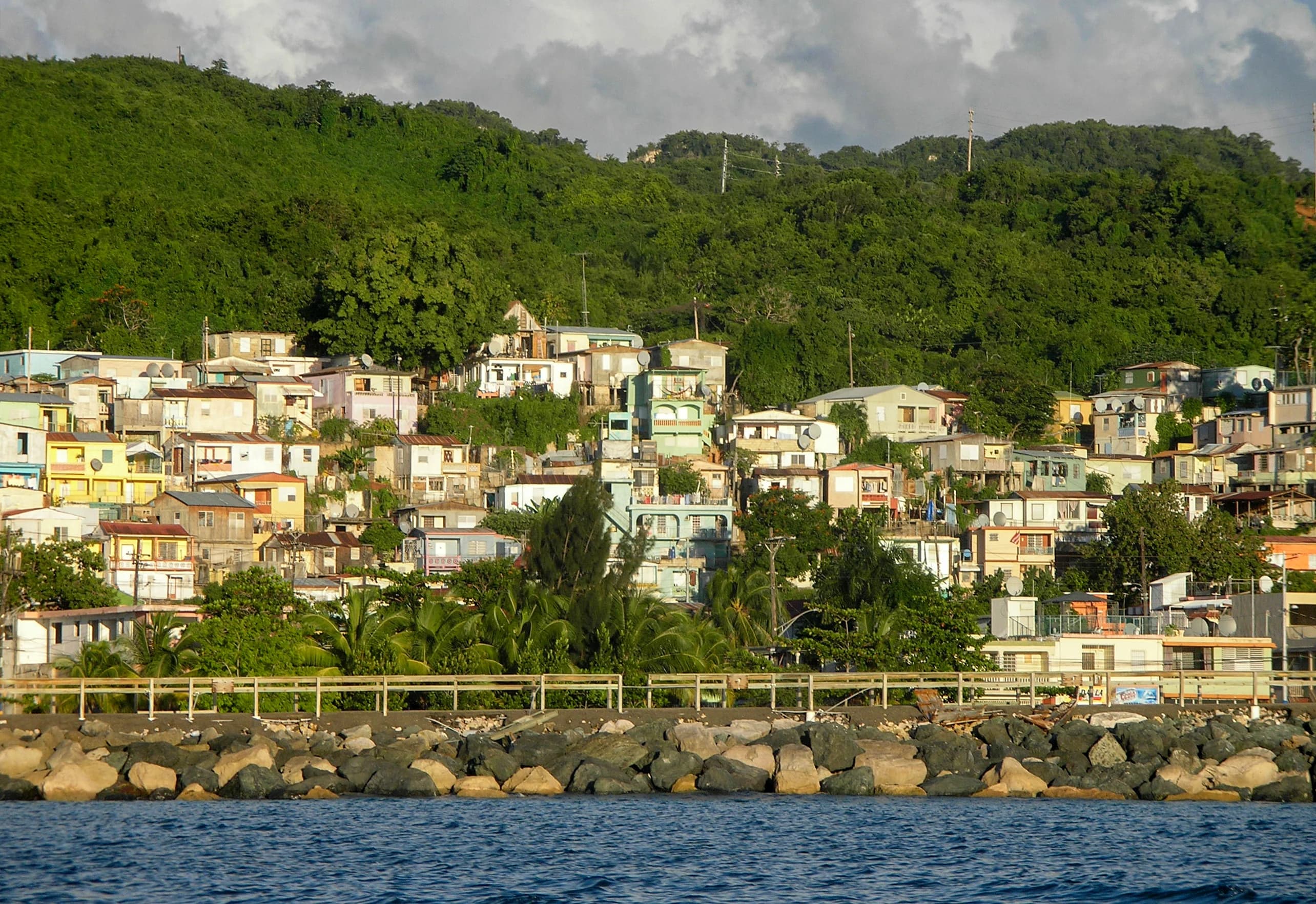
Francisco Colón Studio Photography Wing
A hillside community rises above the shoreline of Aguadilla, Puerto Rico, photographed from the water shortly after the artist and his family gathered at sea to spread his mother's ashes. Somewhere among these homes is the place where she spent part of her earliest childhood, connecting the landscape of her beginnings with the family's return generations later.
View the photograph →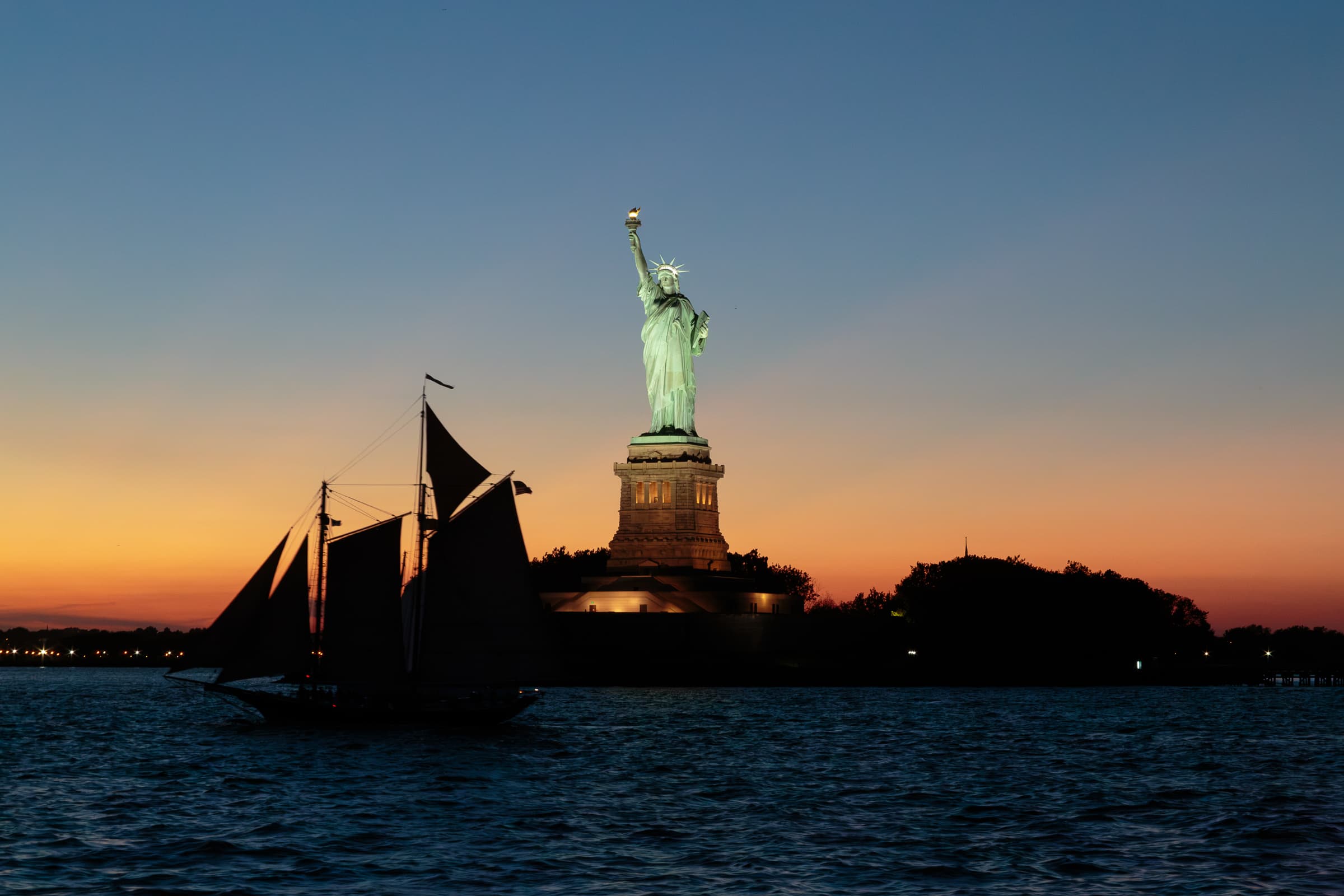
Journeys
A sailboat crosses New York Harbor in silhouette as the Statue of Liberty rises beyond it against the last color of the evening sky. Francisco Colón made the photograph on September 6, 2015, during a boat outing with his daughter—a return to a landmark he had first studied closely while drawing it for his seventh-grade art teacher in the bicentennial year of 1976.
View the photograph →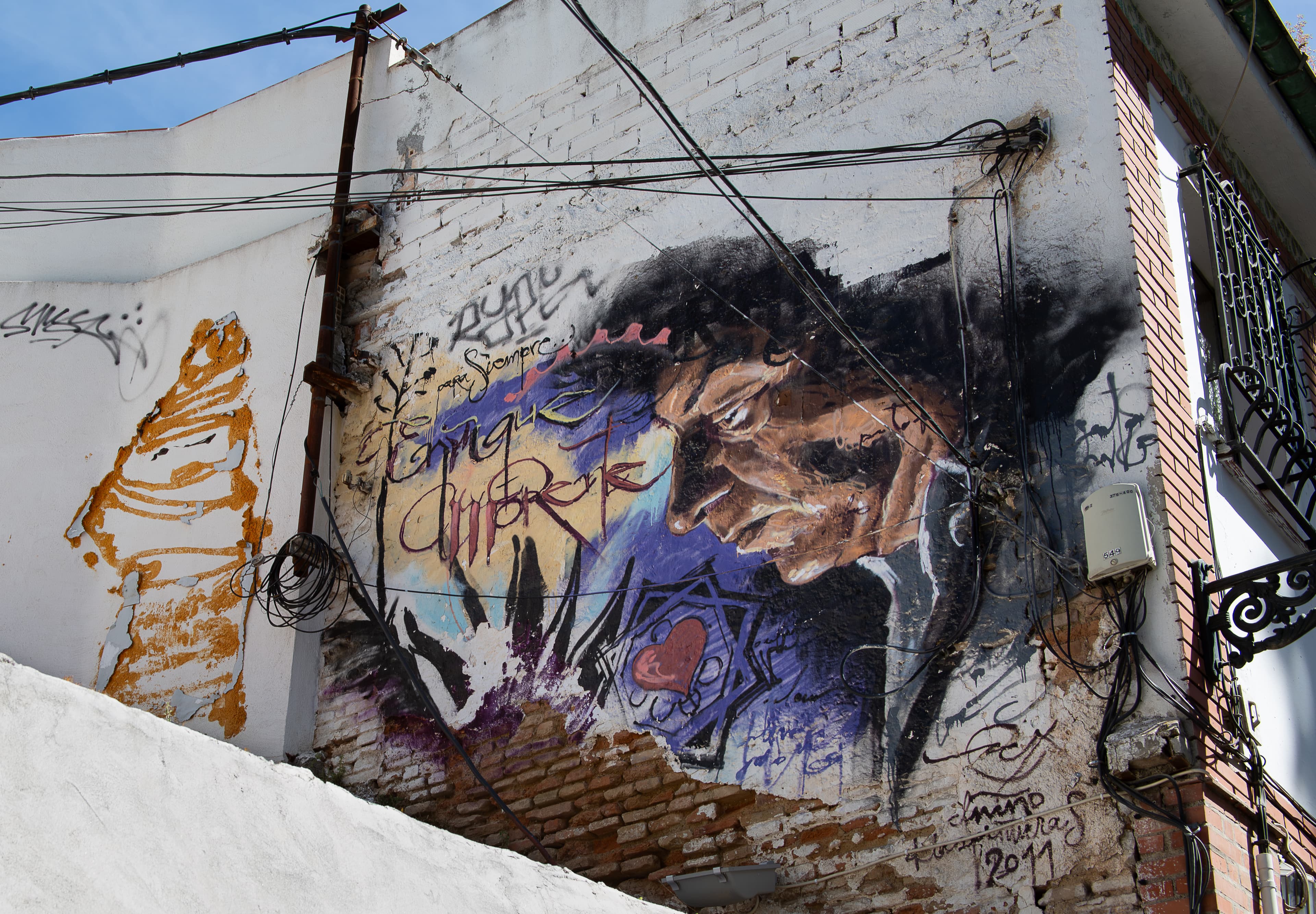
Cities
On a walk through Granada’s Sacromonte in 2014, Francisco Colón photographed a street mural of flamenco singer Enrique Morente. Painted by El Niño de las Pinturas in 2011 as a tribute after Morente’s death, the portrait shares its wall with graffiti, exposed brick, electrical cables, and the marks of passing time. Colón’s photograph preserves both the homage and the street that holds it.
View the photograph →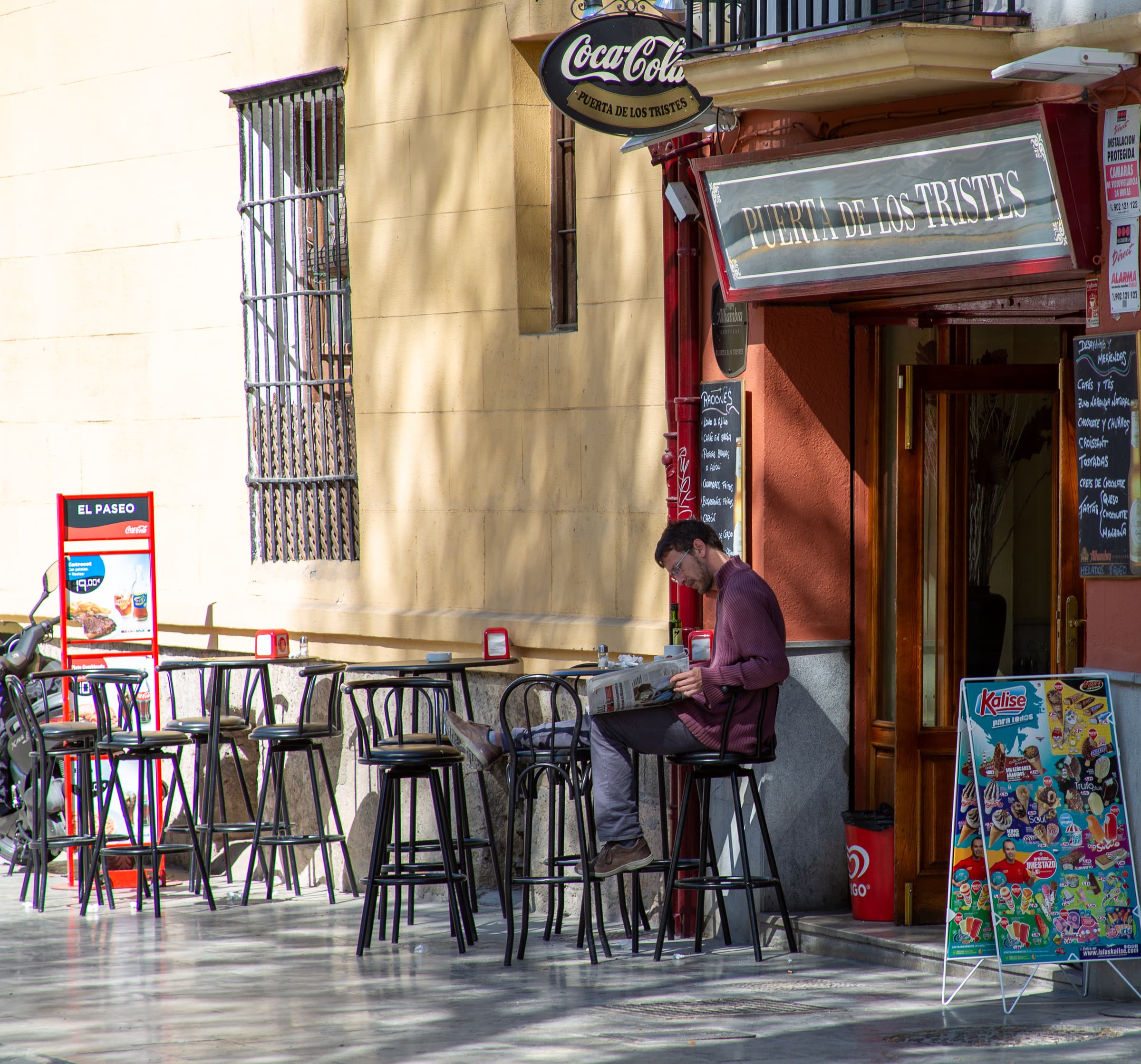
People
A solitary man reads a Spanish-language newspaper outside Puerta de los Tristes, a restaurant along Granada's historic Paseo de los Tristes. Around him, the café tables remain empty as the late morning quietly unfolds. I do not remember the precise moment when I made this photograph, but the image helped reconstruct what memory could not. The newspaper, empty chairs, storefront signage, and geography of the street returned the moment piece by piece. Sometimes the photograph makes the story. In this case, the story made the photograph.
View the photograph →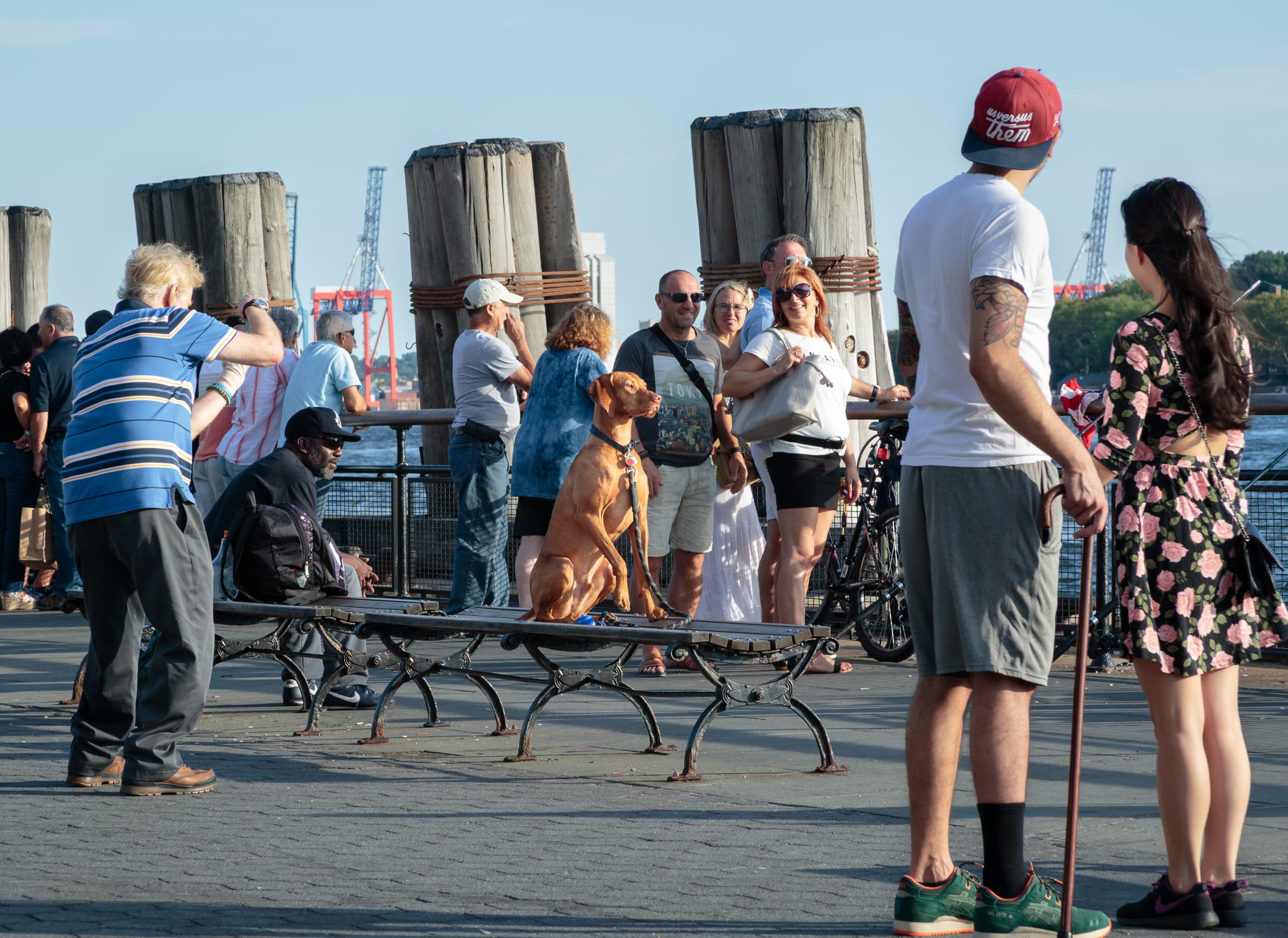
People
Before my daughter and I boarded a boat from The Battery for a closer view of the Statue of Liberty and Manhattan, a dog sitting motionless on a waterfront bench captured everyone's attention. He remained perfectly composed, staring steadily in one direction while New York continued around him. People stopped, watched, smiled, and raised their cameras. The bench became his stage, the crowd became his audience, and for a brief moment, the quietest presence in the scene became its undeniable star.
View the photograph →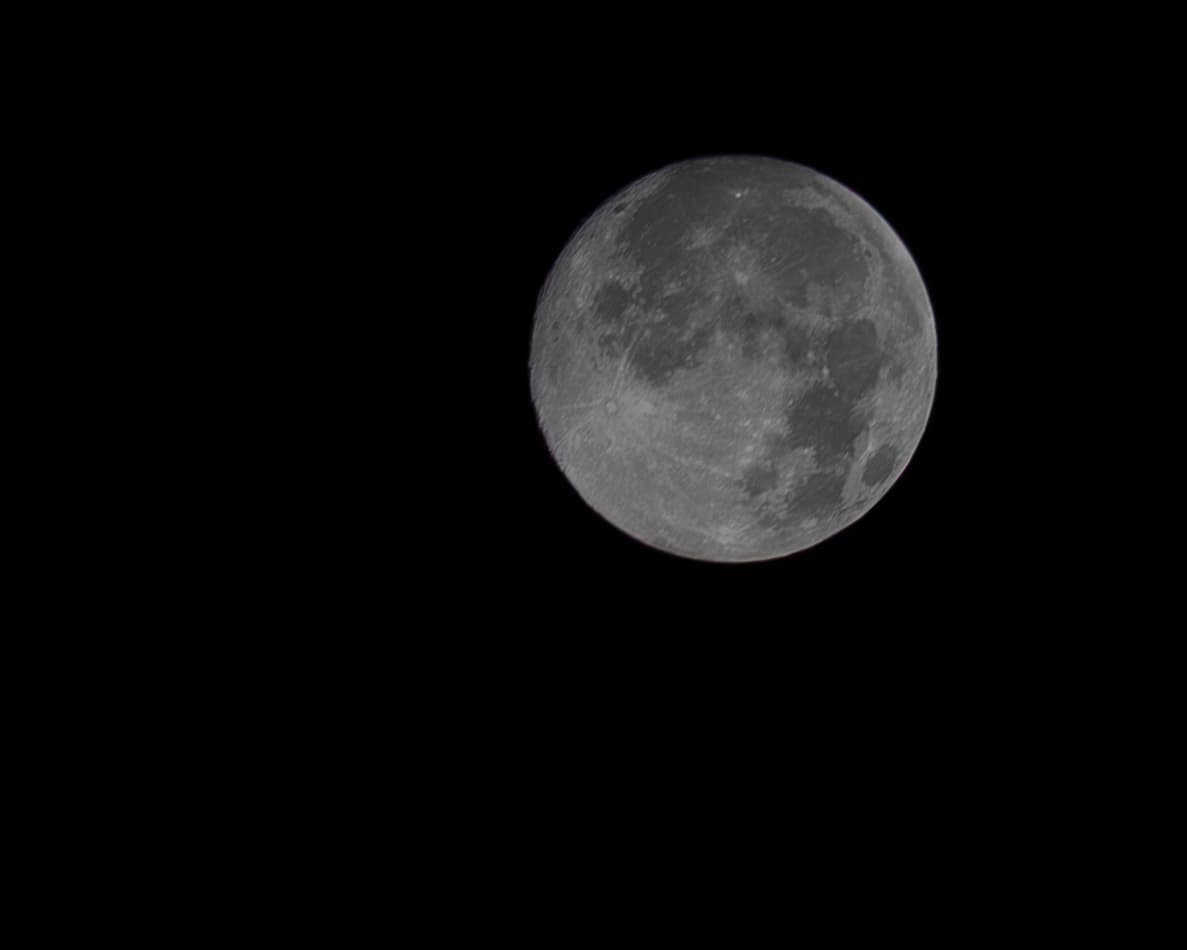
Nature & Stillness
Photographed handheld somewhere in Mexico, The Moon That Followed Us transforms a familiar celestial subject into a vessel for personal memory. As a child in Paterson, New Jersey, Francisco Colón ran with his brother and cousins believing the Moon was following them. Decades later, it became connected to Ana Gabriel's song Luna, a lost love, and the woman with whom he would eventually travel the world—the experiences that helped inspire Fronteras y Ecos. The surrounding darkness expresses distance and solitude, while the Moon remains a quiet companion across childhood, love, travel, and time.
View the photograph →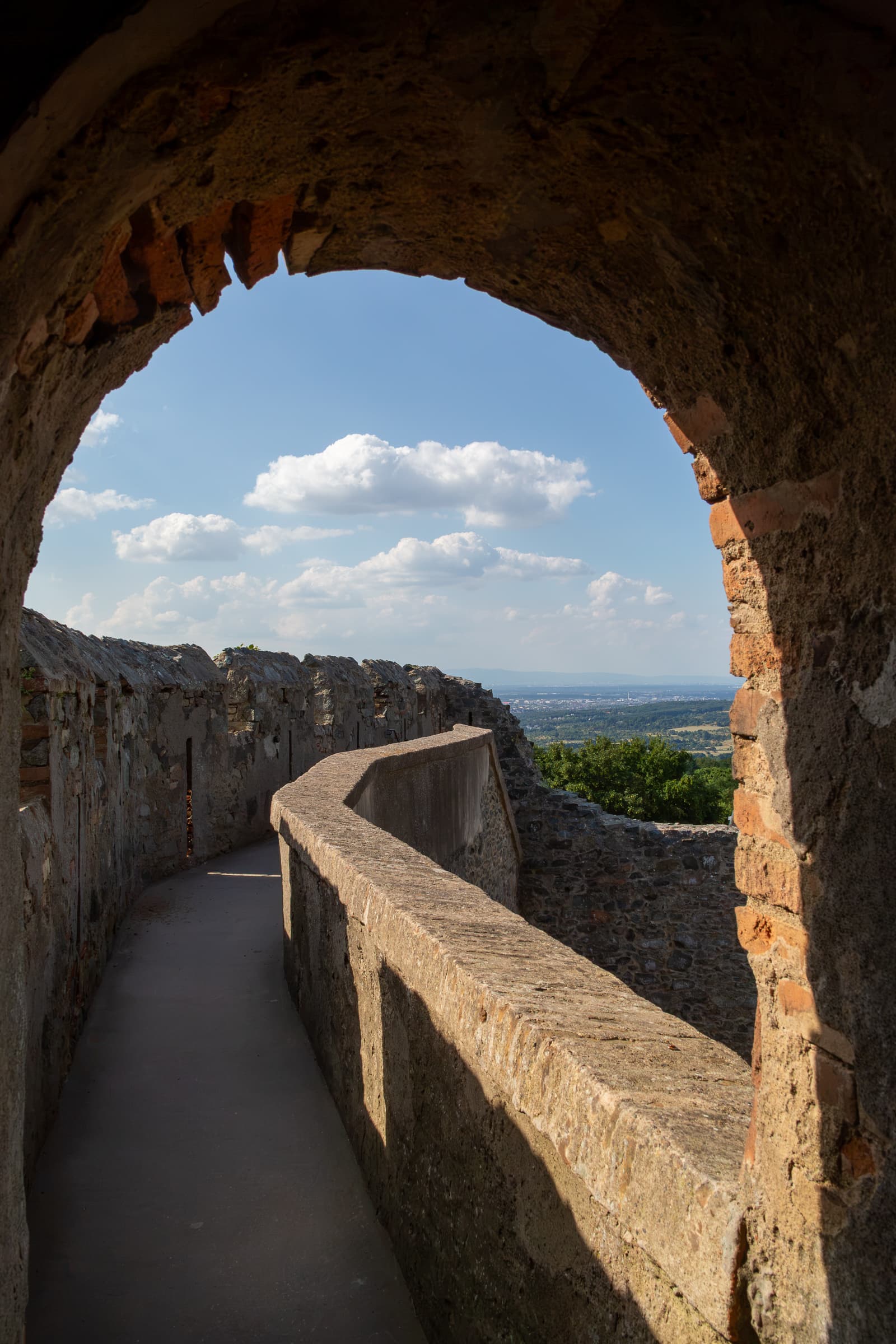
Cities & Architecture
A stone passage curves beneath an arch at Frankenstein Castle in Mühltal, Germany. Sunlight reaches the wall while the walkway remains in shadow, leading the eye toward an open sky and a distant view. Francisco Colón made the photograph while exploring the castle with his daughter.
View the photograph →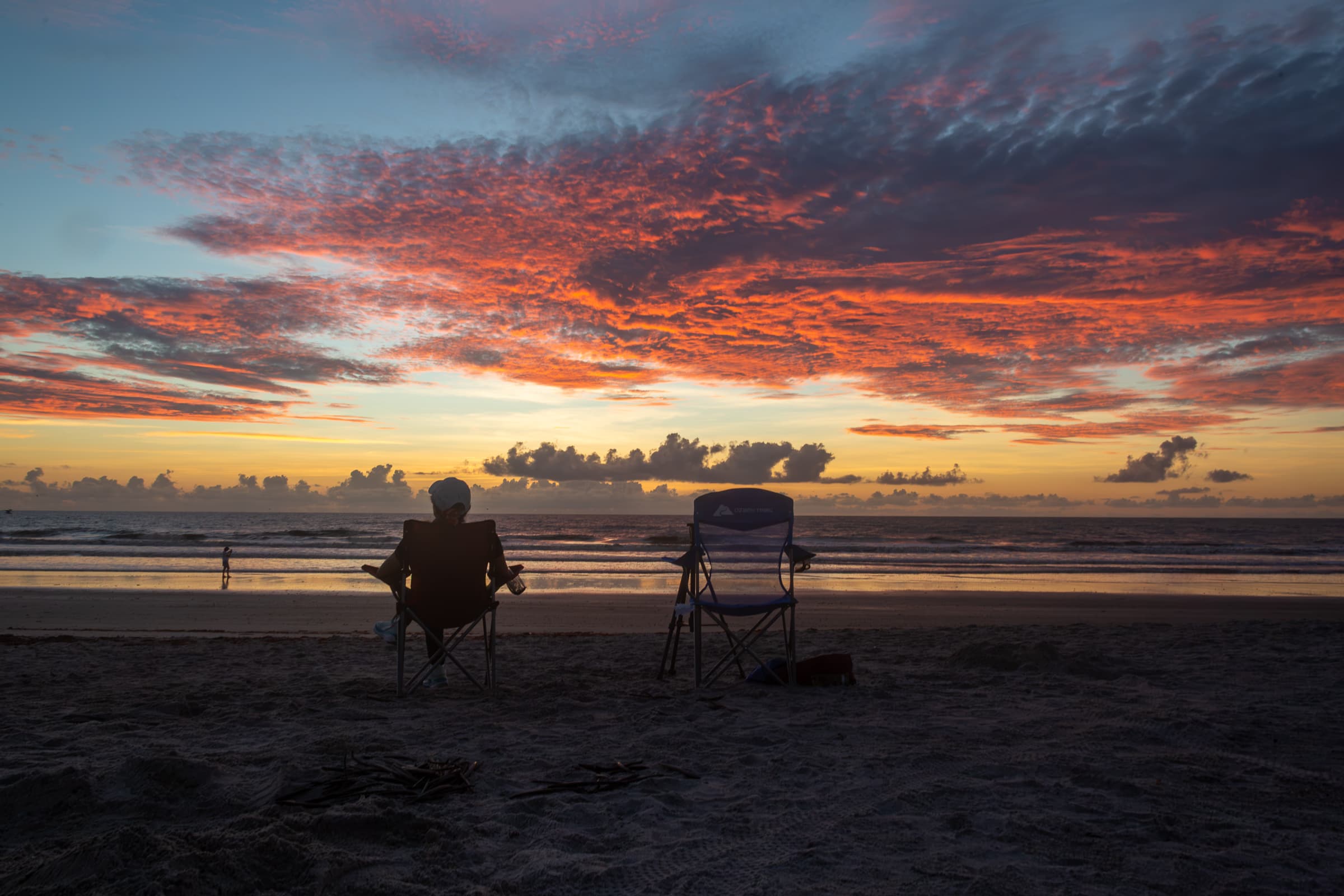
People & Daily Life
Two beach chairs face the Atlantic beneath a dramatic sunrise, one occupied and one left empty. The glowing clouds stretch across the sky while the shoreline remains quiet below, creating a scene that feels both intimate and expansive. The empty chair becomes more than part of the setting. Together, the two chairs establish a quiet relationship within the composition, framed by the changing light of morning.
View the photograph →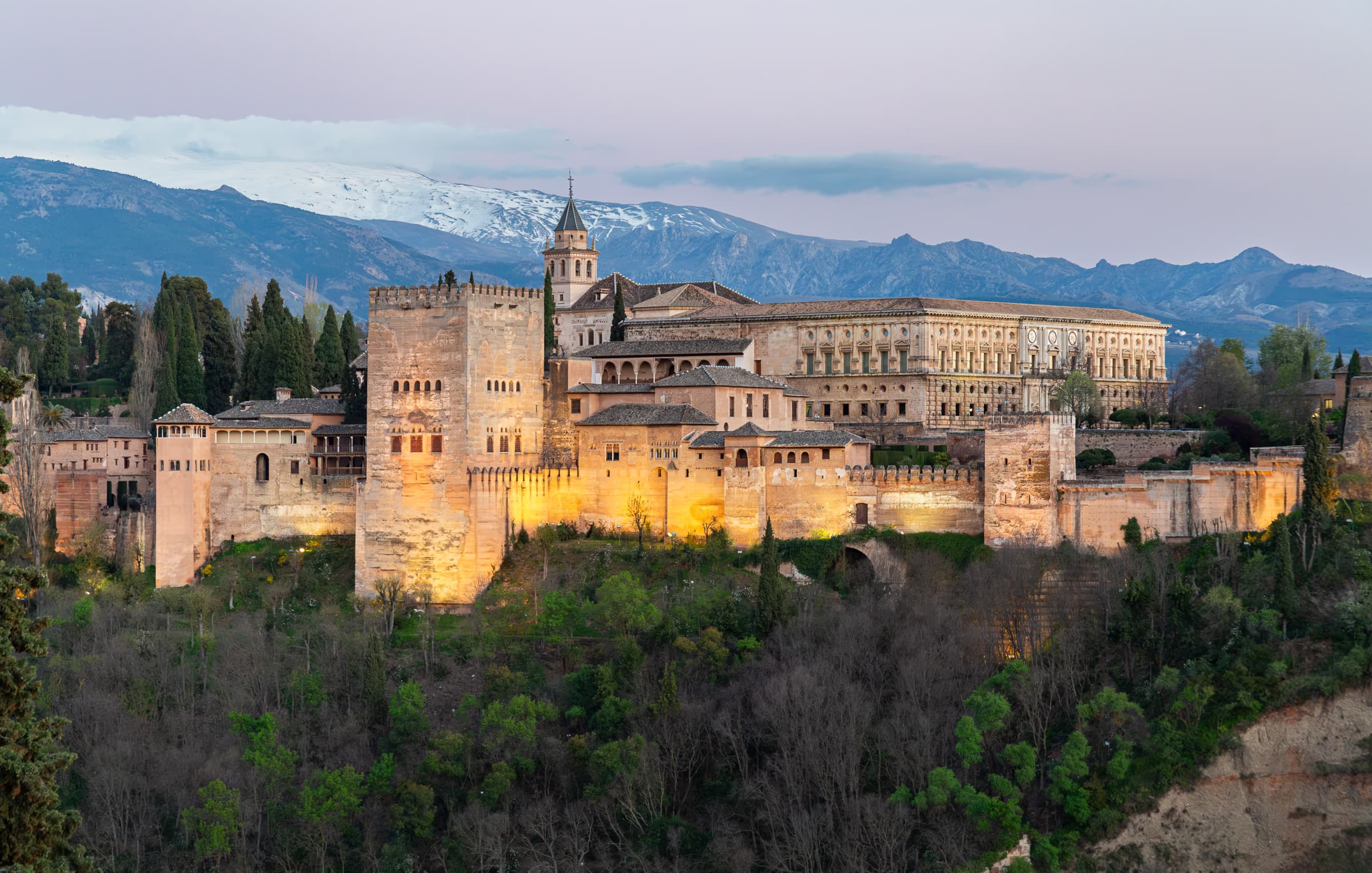
Cities
The Alhambra rises above Granada beneath a pale evening sky, its warm illuminated walls set against the cool blue ridges of the Sierra Nevada. Snow remains visible along the distant mountains while the palace glows above the wooded hillside, creating a natural contrast between architecture and landscape. The photograph reflects the enduring presence of the Alhambra within its setting—stone, history, mountain, and fading light held together in one quiet view.
View the photograph →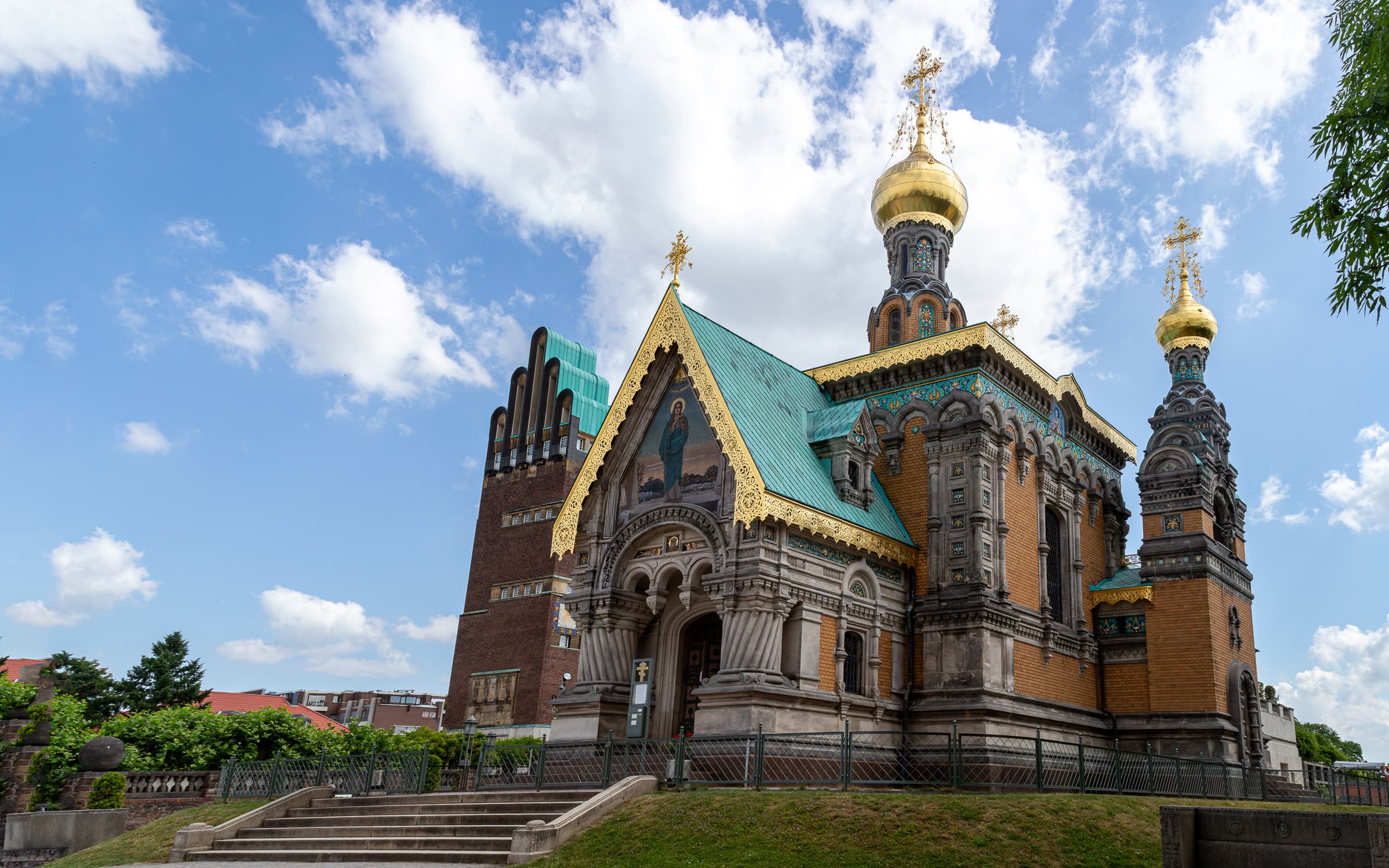
Photography Wing
Where Our Histories Meet portrays the Russian Chapel of St. Mary Magdalene on the Mathildenhöhe in Darmstadt, Germany, photographed during a 2014 return to a city deeply connected to Francisco Colón's family history. Colón first encountered the chapel while stationed in Darmstadt with the U.S. Army and later brought his wife there; decades afterward, he returned with their daughter, who was born in nearby Frankfurt. Built for Russian Emperor Nicholas II and his family during their visits to Darmstadt, the chapel brought together personal memory, family, history, and the quiet weight of return.
View the photograph →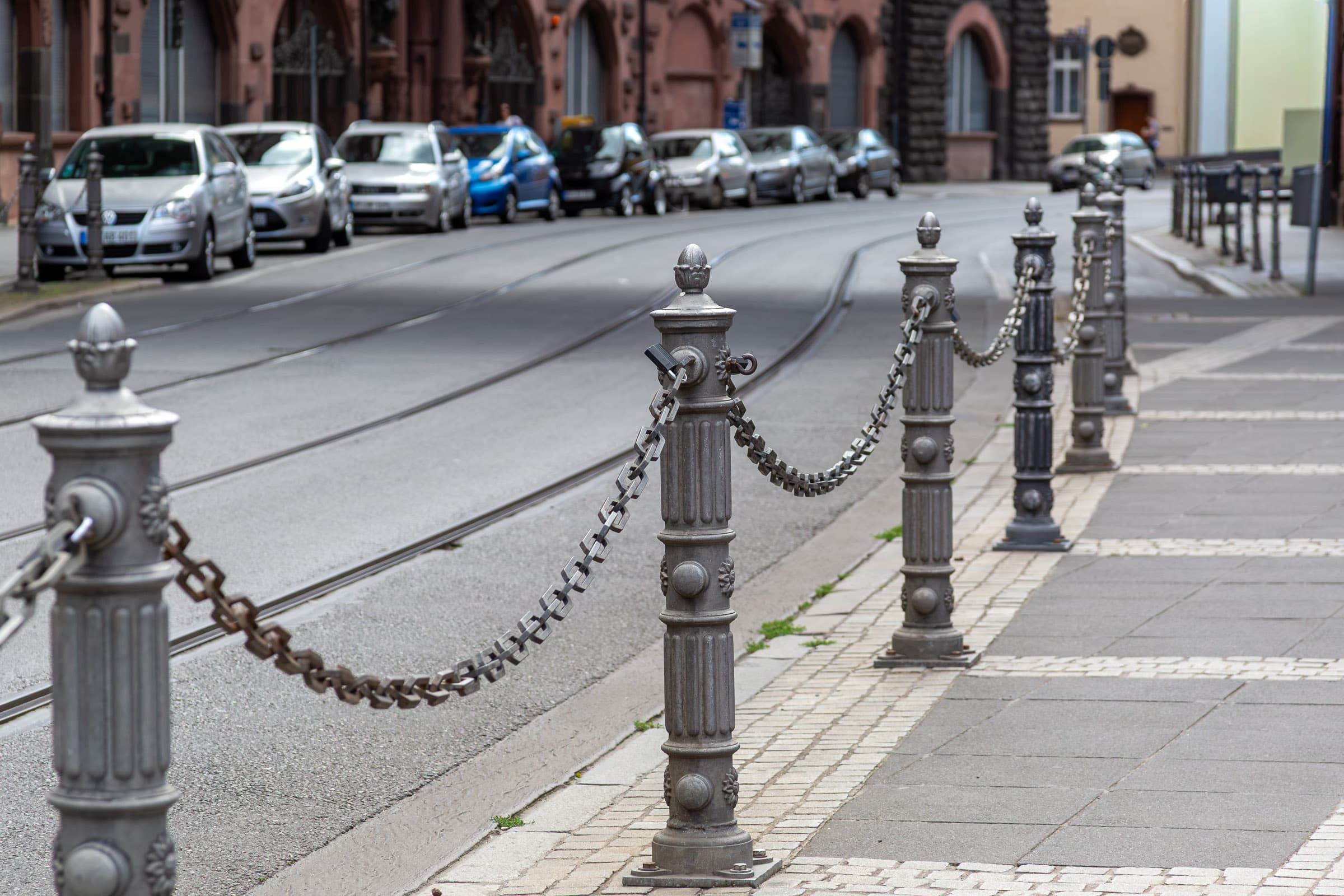
Photography Wing
While walking through Frankfurt with his daughter, Francisco Colón noticed a repeating line of metal posts and chains stretching along the street. The posts were the subject. Their repetition and diminishing scale created the leading line that caused him to stop and make the photograph. Years later, returning to the image revealed other forms of continuation already present within the frame: tram tracks following the street, the sidewalk extending alongside them, parked cars repeating into the distance, and buildings carrying the city beyond what can be seen. What began as a deliberate study of repetition and perspective gradually became a photograph about something larger: what continues.
View the photograph →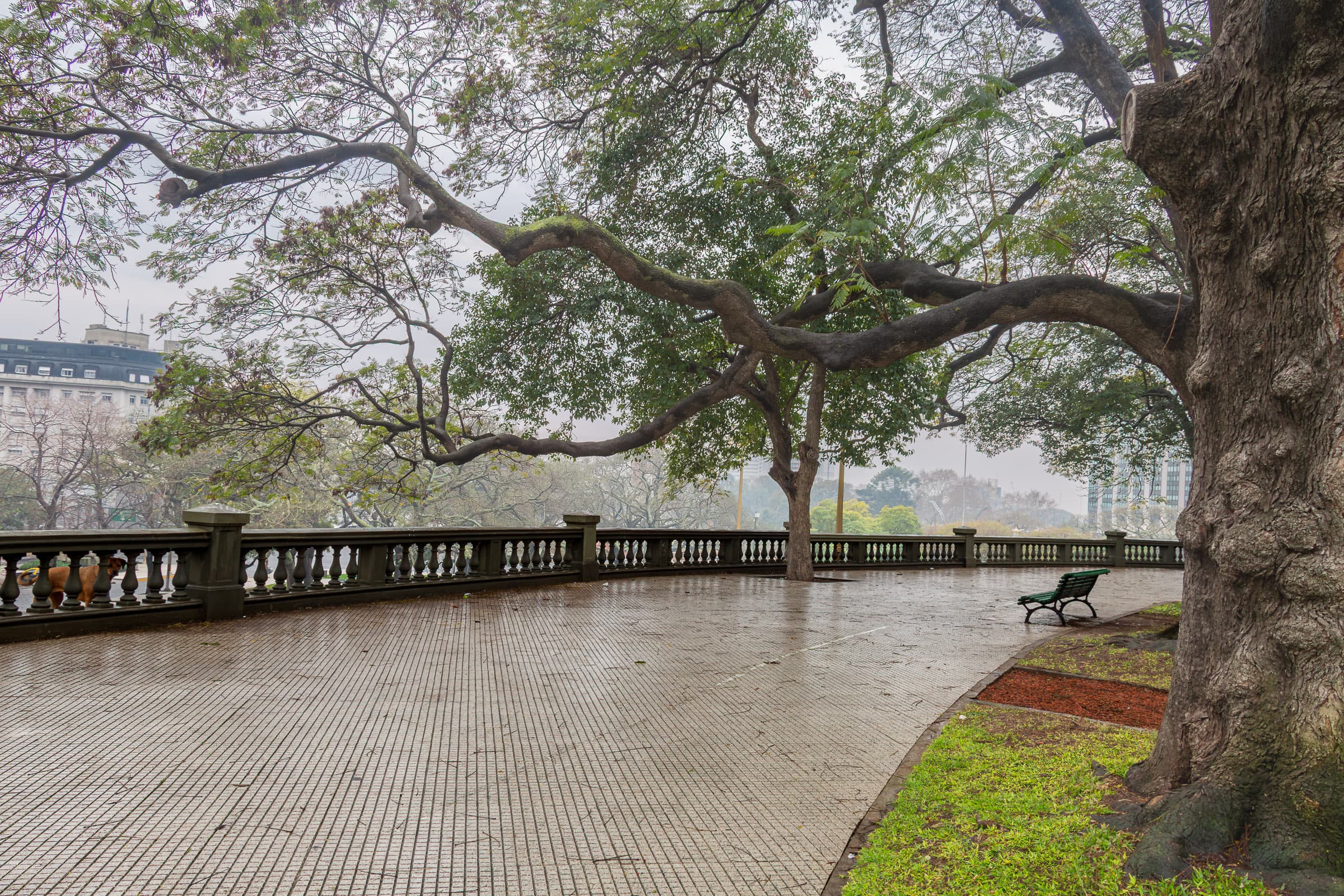
Photography Wing
Early one morning in Plaza General San Martín in Buenos Aires, Francisco Colón photographed an open section of the park after rain. Wet pavement stretches beneath the canopy of a massive tree, while a solitary bench rests near the balustrade overlooking the lower reaches of Retiro. The tree, bench, pavement, and surrounding landscape are important elements, but none is individually the subject. The subject is the space itself—a place Colón repeatedly returned to during visits to Buenos Aires, not for its landmarks or history, but for the quiet experience of simply being there.
View the photograph →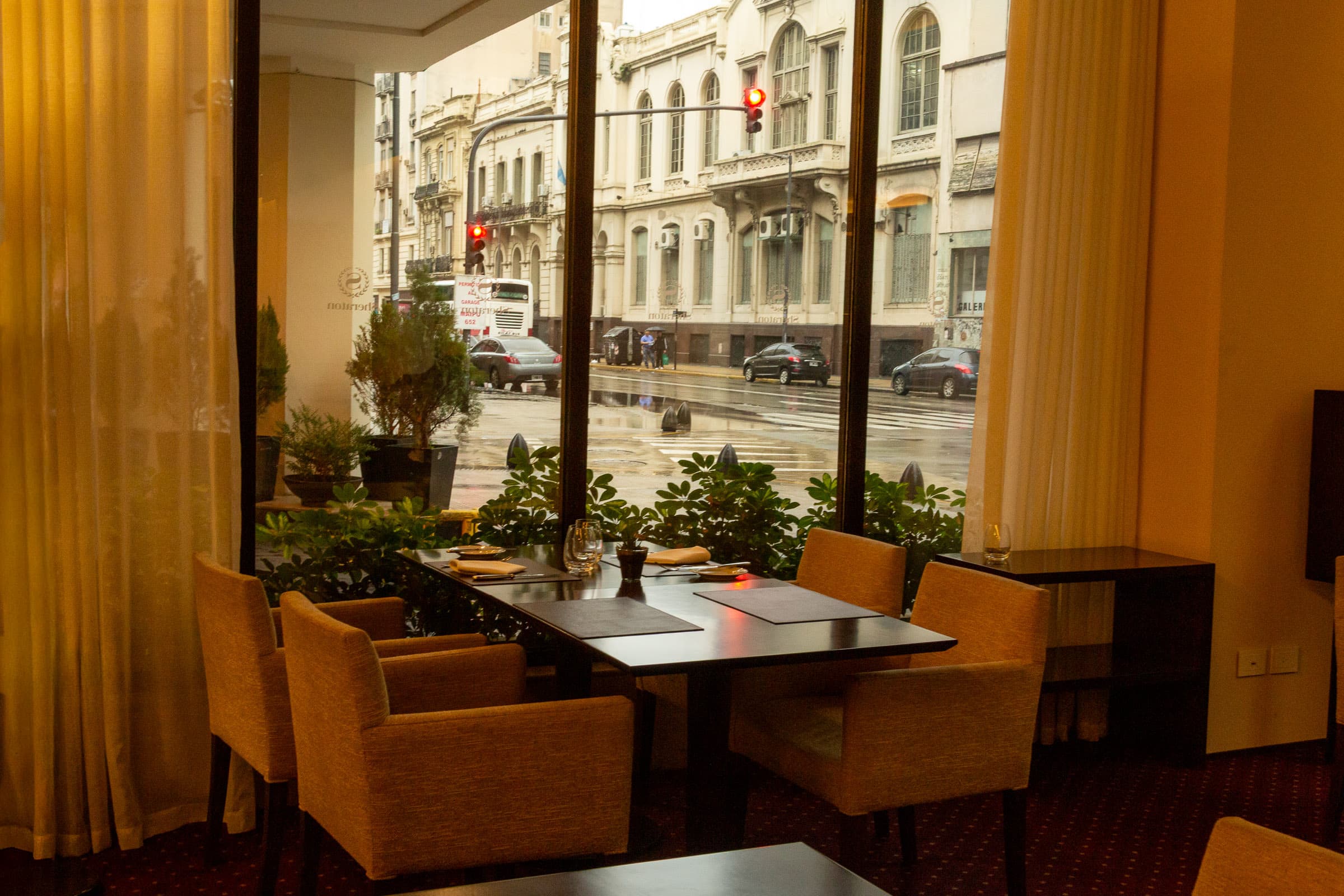
Reflections
From the warm interior of a hotel in Buenos Aires, Francisco Colón looks through a wall of glass toward a rain-soaked city street. Tables, upholstered chairs, curtains, and amber light occupy one side of the window, while wet pavement, traffic, pedestrians, architecture, and red traffic signals occupy the other. The glass allows both environments to exist within the same view while keeping them physically apart. Years later, the photograph acquired another dimension for Colón. The glass remains the visible barrier within the image, but time has become the barrier between the photographer and the familiar room he now wishes he could occupy again.
View the photograph →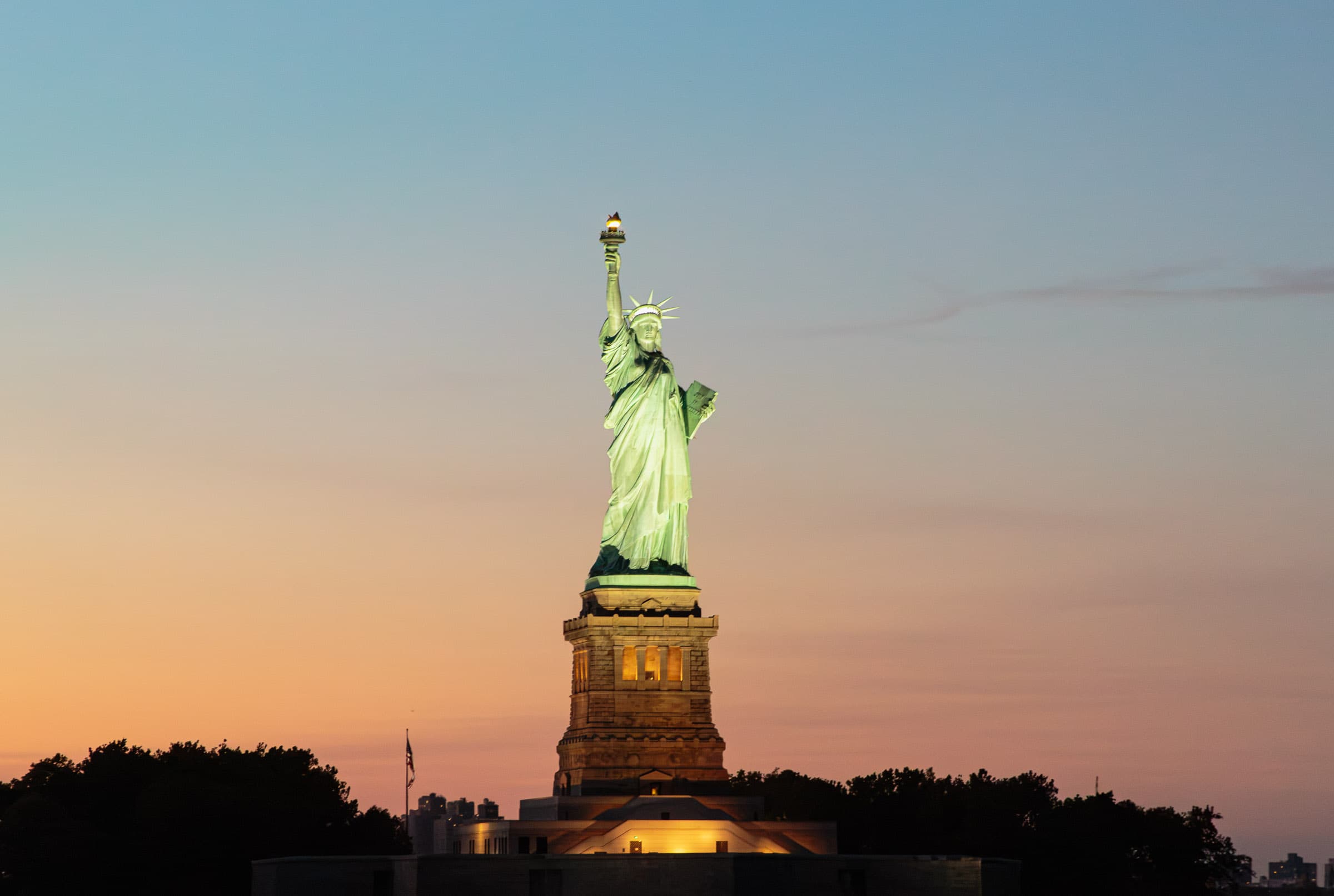
Reflections
Photographed from New York Harbor in 2015, The Picture That Stayed records the Statue of Liberty against the fading colors of an evening sky. For Francisco Colón, however, the photograph reaches much farther back than the moment of exposure. His relationship with Liberty began in 1976, when a seventh-grade art teacher unexpectedly asked him to enlarge a small image of the statue into a drawing approximately the size of a door. Nearly four decades later, traveling through New York Harbor with his daughter, Colón finally encountered the figure he had studied so carefully as a boy and made a picture of her for himself.
View the photograph →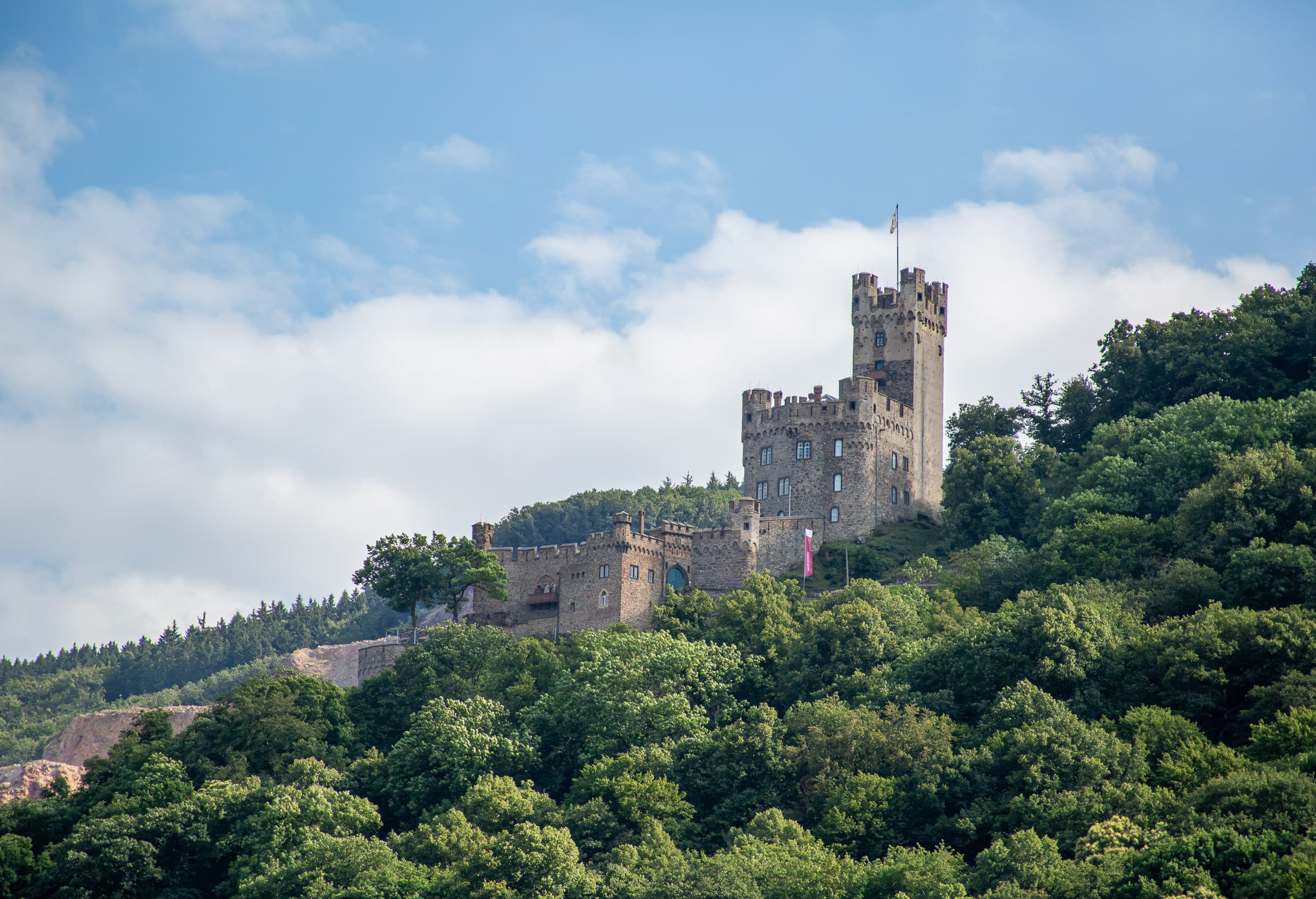
Cities
Sooneck Castle rises above the wooded hillside near Niederheimbach along the Rhine River in Germany. Photographed from a river cruise in 2014, the castle was one of several encountered during a journey Francisco Colón had wanted to make for many years. The cruise became part of a return to Germany with his daughter, where they revisited the country in which she was born while also experiencing something neither of them had done before.
View the photograph →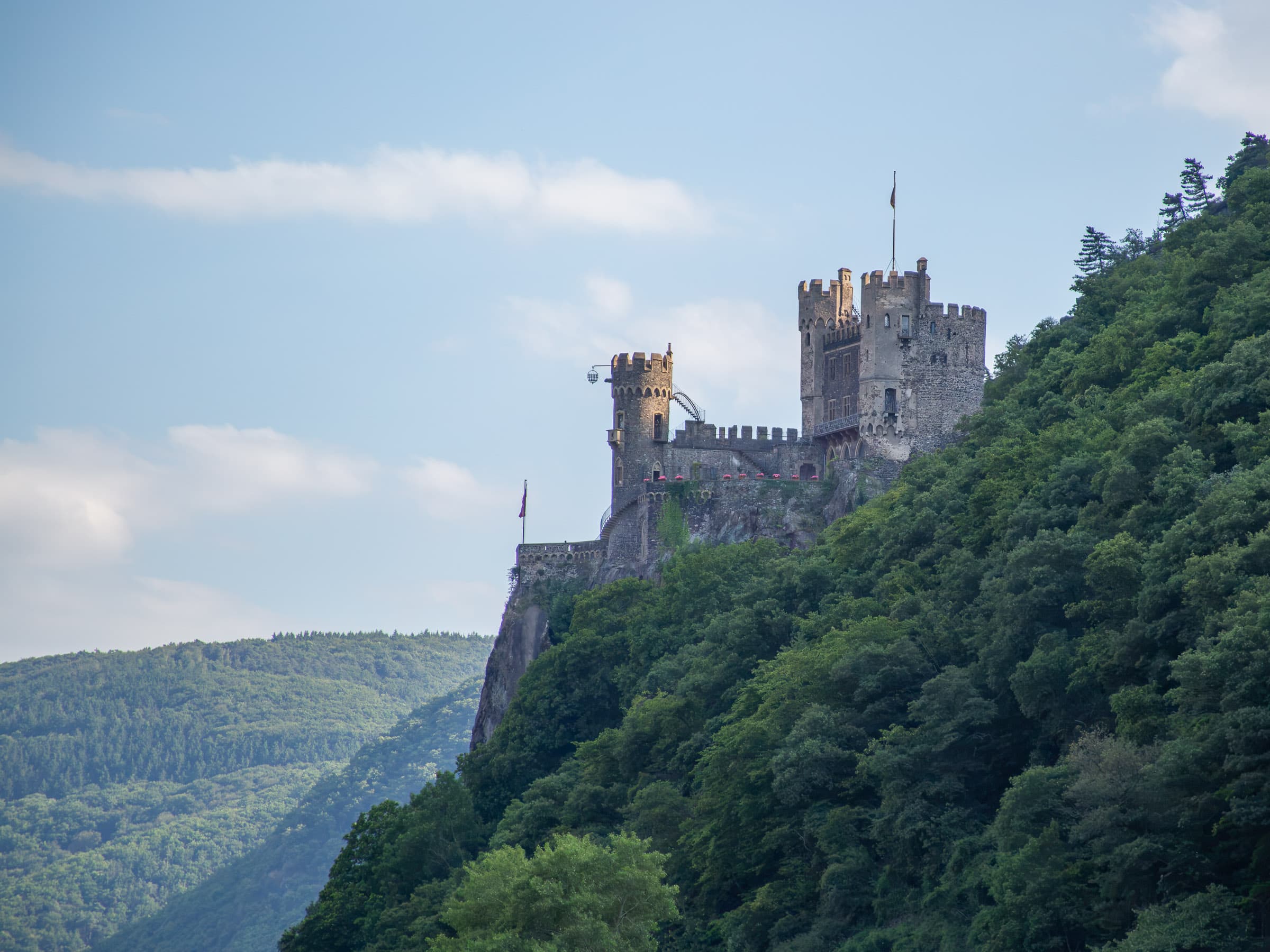
Cities
Rheinstein Castle rises above a steep wooded hillside near Trechtingshausen, Germany, overlooking the Rhine River. Francisco Colón photographed the castle during a 2014 Rhine cruise with his daughter. Although the towers and dramatic position above the river commanded the landscape, one much smaller feature remained particularly memorable: a metal basket projecting from one of the towers. More than a decade later, that small detail remained one of Colón's clearest memories of encountering the castle.
View the photograph →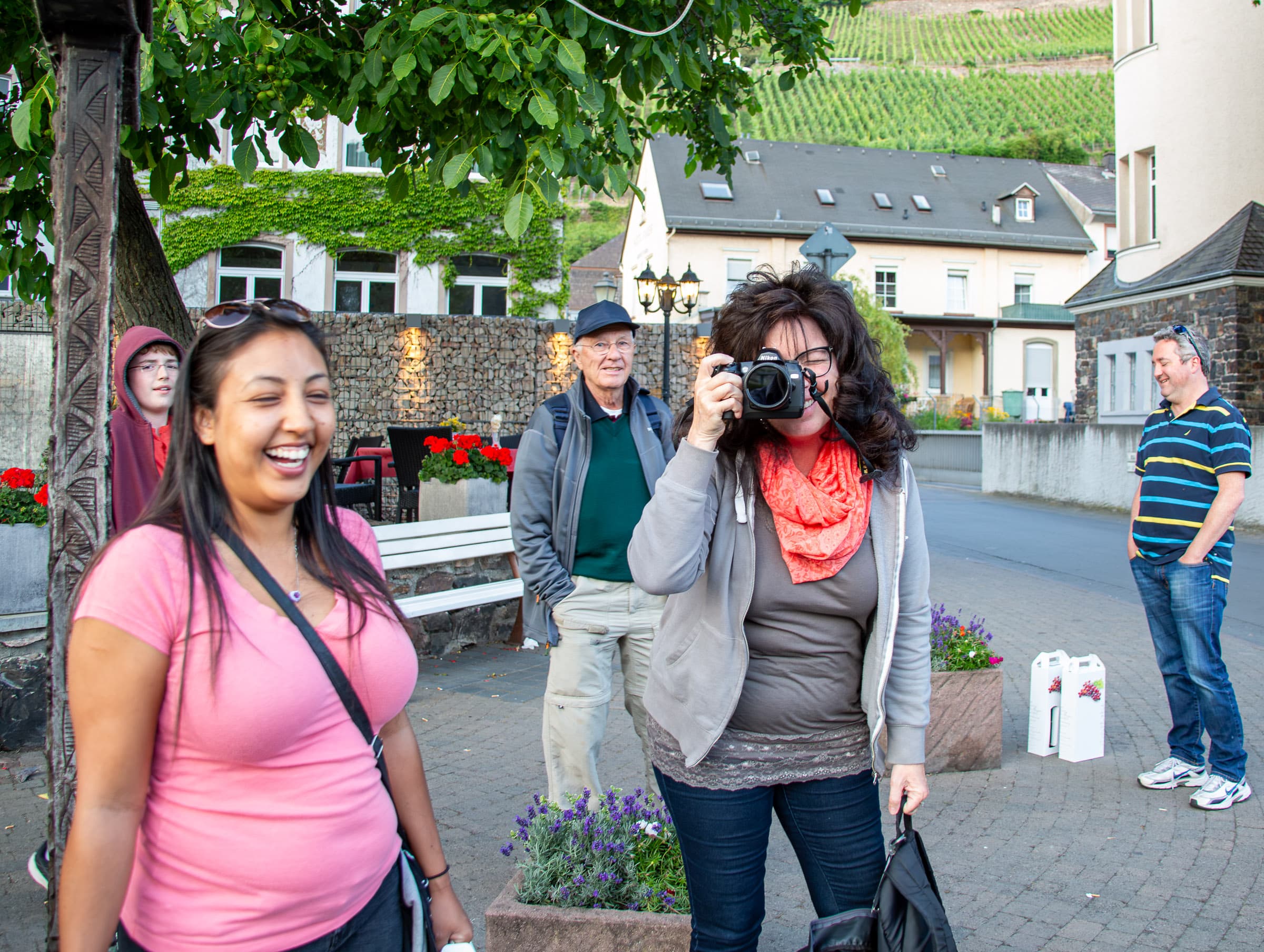
People
After a day traveling along the Rhine River in Germany with his daughter in 2014, Francisco Colón and other members of their tour group had finished a meal and stepped outside. One of the women from the group raised her camera toward Colón. Almost automatically, he raised his camera toward her. She photographed him while he photographed her. Standing beside him, his daughter laughed at the exchange. The two photographers never exchanged their photographs, leaving this image as Colón's view of a brief and spontaneous encounter shared with his daughter during a journey she still remembers as one of her best.
View the photograph →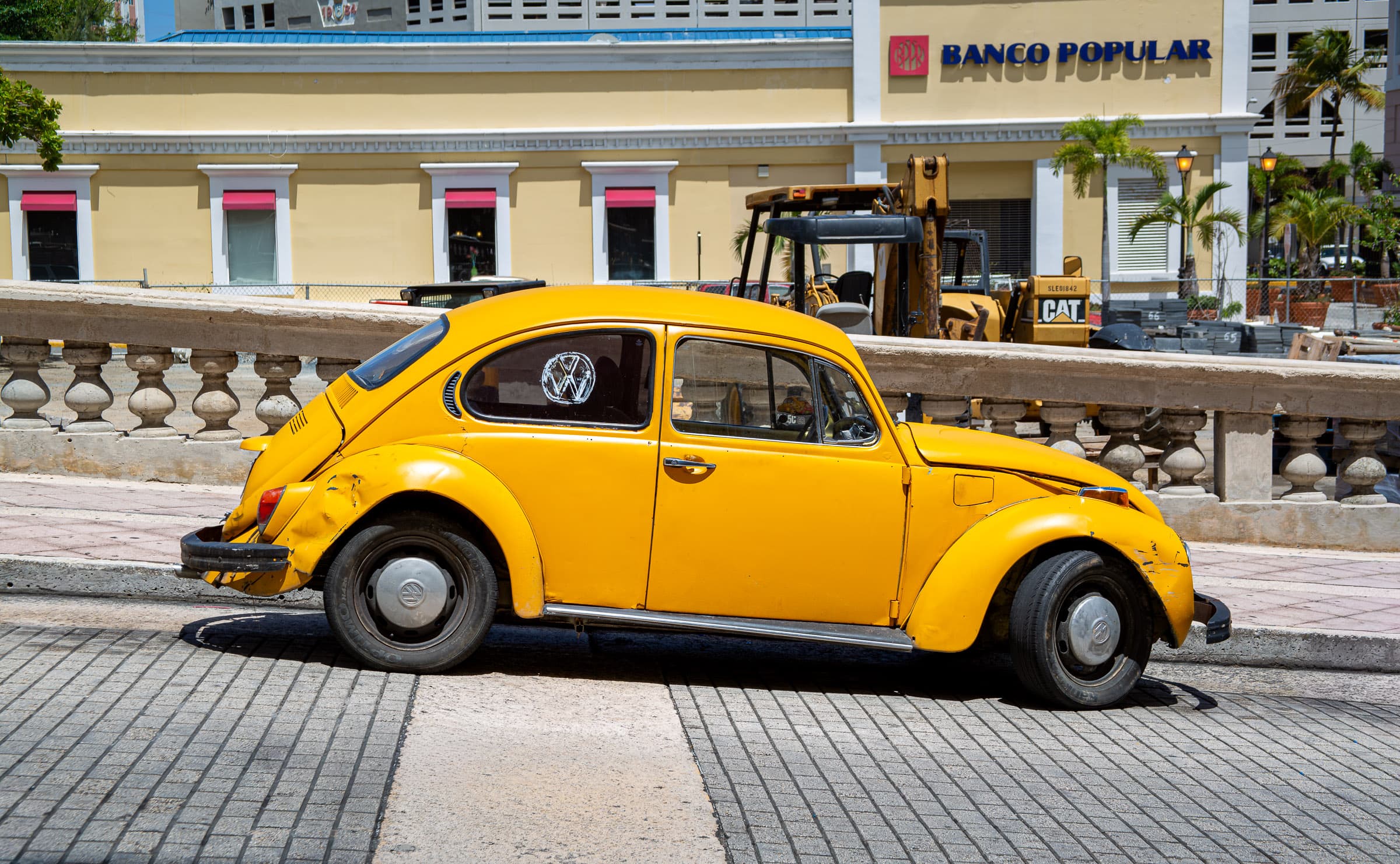
Reflections
A yellow Volkswagen Beetle parked along a street in Old San Juan became an immediate connection to another time in Francisco Colón's life. Colón had owned two Volkswagen Beetles, beginning with his first car at Fort Knox in 1983 and followed by a 1973 Beetle while living in Darmstadt, Germany. That second car became part of the story surrounding the birth of his daughter. Encountering another Beetle decades later in Puerto Rico brought those memories immediately back.
View the photograph →Curator's Reflection
A photograph can remain unchanged for decades while the person viewing it becomes someone entirely different.
Perhaps that is why certain images continue to call us back. They do not merely show us what happened. They reveal what the moment has come to mean.